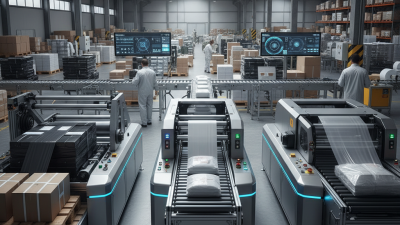
How to Choose the Best Wrapping Machine in 2026?
Choosing the right wrapping machine in 2026 is not simply a purchase decision. It is a production decision shaped by speed, product protection, labor, energy use, and future growth. A machine that performs well in a demonstration may struggle beside a dusty conveyor, during a humid shift, or with irregular product sizes. Real conditions matter.
Jorge Izquierdo, Vice President of Market Development at PMMI, has emphasized a practical principle: “Automation should solve a business problem, not simply add technology.” That idea should guide every evaluation. Start with the product. Is it fragile, sharp-edged, warm, wet, or difficult to align? Then examine the required wrapping machine speed, film type, sealing method, changeover time, and available floor space. A line producing 30 packages per minute needs different equipment from a facility targeting 120.
Ask for measurable evidence. Request sample testing with your actual products and film. Record seal quality, film waste, noise, operator steps, and restart time after a jam. Check whether technicians can reach heating elements and sensors safely. Review spare-parts availability, software support, training, and preventive-maintenance requirements.
There is no perfect choice.
A lower-priced machine may create higher costs through wasted film, slow changeovers, or frequent service calls. A premium system may also be excessive for a small operation. I would not ignore operator feedback; they notice awkward controls and recurring faults first. However, personal impressions alone are insufficient. Compare verified data, supplier references, total ownership cost, and realistic production targets. The best wrapping machine is the one that fits today’s workflow while leaving sensible room for tomorrow’s demands.
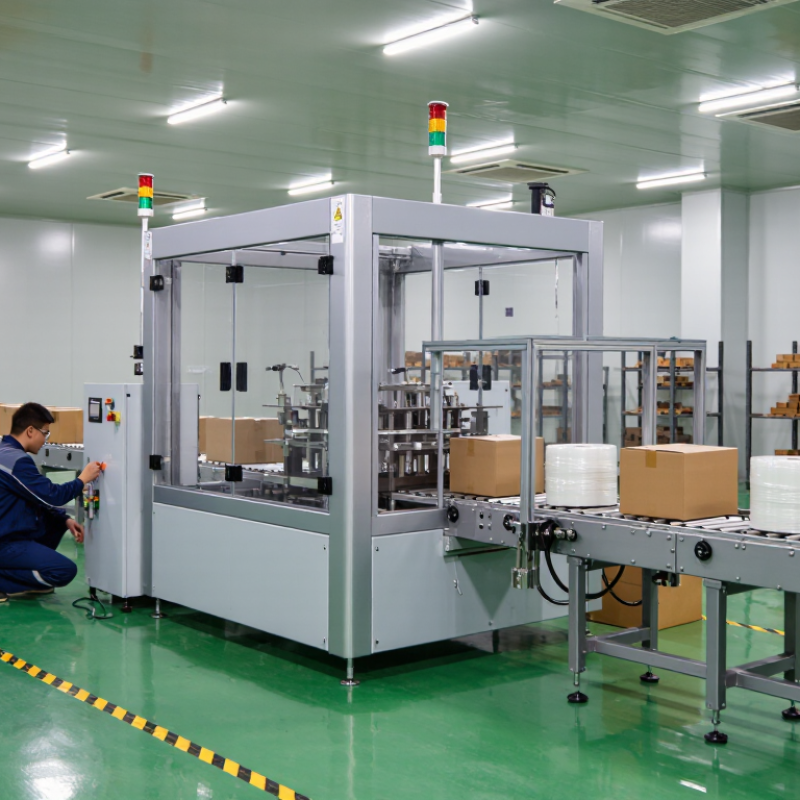
Understanding Wrapping Machine Types and Their Applications
How to Choose the Best Wrapping Machine in 2026?
Understanding Wrapping Machine Types and Their Applications
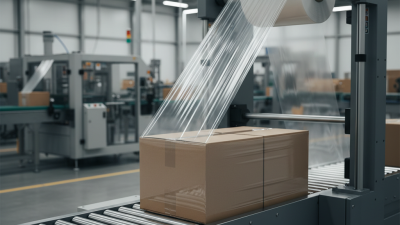
Wrapping machines solve different packaging problems. Stretch wrappers secure pallet loads with tensioned film, making them useful for warehouses shipping boxes, bags, or stacked containers. Turntable models suit stable loads and moderate output. For tall or uneven pallets, a rotating-arm machine can keep the load still while the film moves around it. The distinction matters: unstable products may shift if the wrong method is chosen.
Shrink-wrapping machines use heat to tighten film around grouped products, such as bottles or retail cartons. Flow wrappers create sealed packages around individual items, often food or small consumer goods. Orbital wrappers wind film around long, bulky products like pipes or furniture components. Match the machine to product dimensions, weight, packaging material, and daily volume. A fast machine is not automatically the best fit; changeovers, operator training, and floor space can affect real output.
Tips: Test with your actual products and film before buying. Check seal quality, load stability, and changeover time. There is no perfect machine, and specifications alone can miss awkward product shapes or busy-shift demands.
Assessing Product, Packaging, and Production Requirements
Choosing a wrapping machine starts with the product, not the machine’s advertised speed. Record each item’s dimensions, weight, surface, and shape. A rigid carton behaves differently from a soft pouch or an uneven bundle. Note fragile corners, loose components, and surfaces that may scuff under film tension. These details affect the wrapping method, film choice, and required adjustments. If products vary widely, test the smallest and largest units, not just the easiest sample. Small details matter.
Packaging requirements deserve equal attention. Decide whether the wrap must resist dust, stay tight during transport, or simply present a clean shelf appearance. Check film width, thickness, roll changes, and how easily operators can load materials. A sample package should be inspected for wrinkles, loose ends, and damaged edges after wrapping. A neat demonstration can mislead. Real production includes imperfect cartons and hurried changeovers, so testing only ideal samples leaves gaps.
Production needs shape the final choice. Compare the machine’s sustained output with actual line speed, including pauses for loading and quality checks. Measure floor space, access for maintenance, and operator reach. Consider how often product sizes change and how much training the team can support. Faster is not always better. A machine that needs frequent adjustment may slow a small team. It is easy to overlook cleaning and film-roll handling during evaluation; both affect daily uptime. Ask suppliers for a trial using your own products and packaging materials.
Comparing Key Features, Performance, and Automation Levels
How to Choose the Best Wrapping Machine in 2026?
Choosing a wrapping machine in 2026 requires more than comparing speed and price. The right choice depends on product size, packaging material, daily output, and available labor. I usually begin by checking the machine’s adjustment range. It should handle different package heights without lengthy changeovers. Film tension control also matters because uneven tension creates loose corners, wrinkles, and unnecessary material waste.
During a factory trial, I watch the machine wrap real products, not empty cartons. I measure cycle time, seal strength, film consumption, and rejected packages. A reliable machine should maintain stable performance after several hours of operation. Noise, vibration, and access to service parts deserve attention too. These details often reveal problems that a product brochure cannot show. No machine is perfect. Small errors may still appear during size changes.
Automation level should match the operator’s skills and production goals. A semi-automatic model may suit seasonal production and smaller teams. An automatic system can improve consistency when output remains high every day. Look for automatic film cutting, product detection, recipe storage, and fault alerts. Integration with conveyors or warehouse systems can reduce manual handling. However, advanced automation adds setup complexity and maintenance demands. I have seen expensive systems underperform because workers received limited training. Request a practical demonstration, review maintenance records, and confirm the supplier can provide technical support when production stops.
Evaluating Costs, Safety, Maintenance, and Supplier Support
How to Choose the Best Wrapping Machine in 2026?
A low purchase price can hide expensive operating costs. Compare film consumption, electricity use, labor needs, and expected output. Ask for a total-cost estimate based on your actual daily workload. Look beyond price. A machine using thinner film may reduce waste, but only if loads remain stable during transport. Request a live trial with your own products, pallet sizes, and film specifications. Small details matter.
Safety should be checked on the factory floor, not only in a brochure. Look for guarded moving parts, accessible emergency stops, clear warning labels, and safe film-loading procedures. Operators should receive practical training, including jam recovery and daily inspection routines. I have seen teams overlook awkward access points because the machine looked efficient during a short demonstration. That mistake can create slowdowns and unsafe shortcuts.
Maintenance access directly affects uptime. Inspect lubrication points, sensor locations, control panels, and the availability of common spare parts. Ask how quickly technical support responds, who pays for travel, and whether remote diagnostics are available. Supplier references from similar production environments are valuable evidence. Still, promised response times may change after installation. Put service commitments, training, spare-parts availability, and warranty conditions in writing. A detailed maintenance log, updated after every repair, can reveal recurring faults before they become costly stoppages.
How to Choose the Best Wrapping Machine in 2026?
Compare total cost, safety, maintenance, and supplier support—not just the purchase price.
Illustrative buyer-priority scores on a 1–5 scale, not measured market data. Adjust the scores to reflect your operation. Before purchasing, request a total-cost-of-ownership estimate, review documented safety features and maintenance requirements, and confirm response times, spare-parts availability, and training with the supplier.
Selecting and Validating the Best Machine for 2026
Selecting and validating a wrapping machine in 2026 starts with the product, not the brochure. Record package dimensions, weight, film type, target rate, and acceptable seal or wrap defects. Then test the machine with your actual products and materials. A neat sample is not enough. Run mixed sizes, planned shifts, and realistic changeovers; note jams, film use, and operator adjustments.
Industry data helps set context, but it cannot replace a site trial. The International Federation of Robotics reported 4.28 million industrial robots operating worldwide in 2023, reflecting broad investment in automation. PMMI’s 2024 packaging trends research also highlights automation and workforce constraints as important industry concerns. For a wrapping line, translate those themes into measurable checks: sustained good packs per minute, time to clear a fault, and safe access for routine cleaning. Ask suppliers to document test conditions and provide comparable results. Small details matter.
Validate total cost, too. Include film consumption, spare parts, training, energy, and expected downtime—not just purchase price. Check whether the machine fits your floor plan and existing conveyors. One awkward reach can slow a whole shift. I would also leave room for uncertainty: trial data from one product run may not predict every season or operator. Recheck performance after installation, using the same acceptance measures agreed before purchase.