What is a plastic wrapping machine and how does it work?
In the packaging industry, the plastic wrapping machine plays a crucial role in ensuring products are securely packaged. Expert Robert Smith, a leading authority in packaging technology, states, "A plastic wrapping machine is essential for efficiency and product protection."
These machines automate the wrapping process, reducing labor costs and minimizing product damage. They utilize heat or pressure to ensure tight seals. Many businesses rely on these machines to maintain quality and longevity in transportation and storage. For example, a plastic wrapping machine can wrap pallets of food goods, preventing spoilage during transit.
However, challenges remain in the industry. Not all machines deliver consistent results. Wrapping too tightly can damage the product, while loose wraps may lead to exposure. Understanding the right settings for different products is crucial. Improving technology and operator training can address these issues, ensuring a reliable outcome.
What is a Plastic Wrapping Machine?
A plastic wrapping machine is a vital tool in packaging. It wraps products tightly in plastic film. This process protects items from dust, moisture, and damage. Companies often use it for pallets, cartons, or individual products. The machine can operate with various wrapping styles, depending on the need.
Most machines use advanced technology for precise application. They can automatically adjust to different sizes and shapes. This flexibility is crucial for businesses with multiple products. Some machines use heat to shrink the film around the item. The result is a secure, professional appearance. However, not all machines are created equal. Maintenance and proper setup are essential for optimal performance.
Many businesses face challenges when first implementing these machines. Operators may struggle with settings or film alignment. Mistakes can lead to wasted materials or inconsistent wrapping. Training staff effectively is important to minimize errors. Continuous feedback can help improve the wrapping process over time.
Key Components of a Plastic Wrapping Machine
A plastic wrapping machine efficiently wraps products to protect and preserve them. Understanding its key components is crucial for effective operation.
One of the main components is the film roll. This rolls out the plastic material, covering the item during the wrapping process. Proper film tension is essential. If it’s too tight, the film may tear; too loose, and it won’t secure the product adequately. An adjustment feature is often included, allowing for fine-tuning to meet specific needs.
Another important part is the sealing mechanism. This component uses heat or pressure to bond the edges of the plastic film, ensuring a tight seal. If the seal isn't perfect, products may be exposed to air, leading to spoilage. Regular testing of the sealing temperature will help maintain quality and reliability.
For optimal performance, make sure to maintain the machine regularly. Clean it to prevent dust build-up. Lubricating moving parts can also increase longevity. Remember, even minor malfunctions can lead to costly errors. Staying proactive may save time and resources in the long run.
Plastic Wrapping Machine Efficiency by Speed and Production Rate
How Plastic Wrapping Machines Operate
Plastic wrapping machines are essential in the packaging industry. They automate the process of wrapping products for protection and display. These machines can handle various items, from palletized goods to individual products. The core function involves applying shrink or stretch film around the item. This ensures that products are secure during transportation and storage.
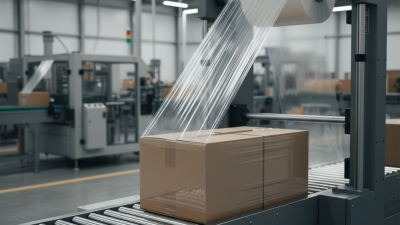
The operation begins with the item placed on a conveyor belt. As the machine detects it, the wrapping process initiates. Film unwinds, enveloping the product. Heat or tension is then applied to secure the wrap. This contributes to stability and prevents damage. Often, operators must adjust settings for different product sizes. Sometimes, misalignment occurs, requiring manual corrections. This is a common challenge in busy environments.
Users should be aware of maintenance needs. Regular cleaning and checks are vital for consistent performance. Although machines are generally reliable, errors can happen. Operators need training to handle these issues effectively. Understanding the machine’s mechanics can improve efficiency and reduce waste. In practice, the balance between speed and precision is crucial for optimal operation.
Types of Plastic Wrapping Machines and Their Uses
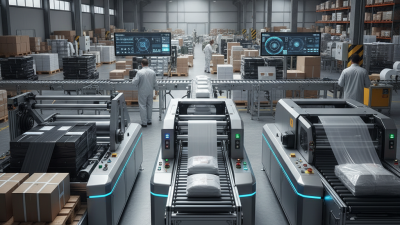
Plastic wrapping machines play a crucial role in packaging across various industries. There are several types of these machines, each designed for specific applications. For instance, manual wrapping machines are favored for small-scale operations. They are cost-effective and require minimal training. Automatic machines, meanwhile, are ideal for large production lines. They can wrap thousands of packages per hour, significantly enhancing efficiency.
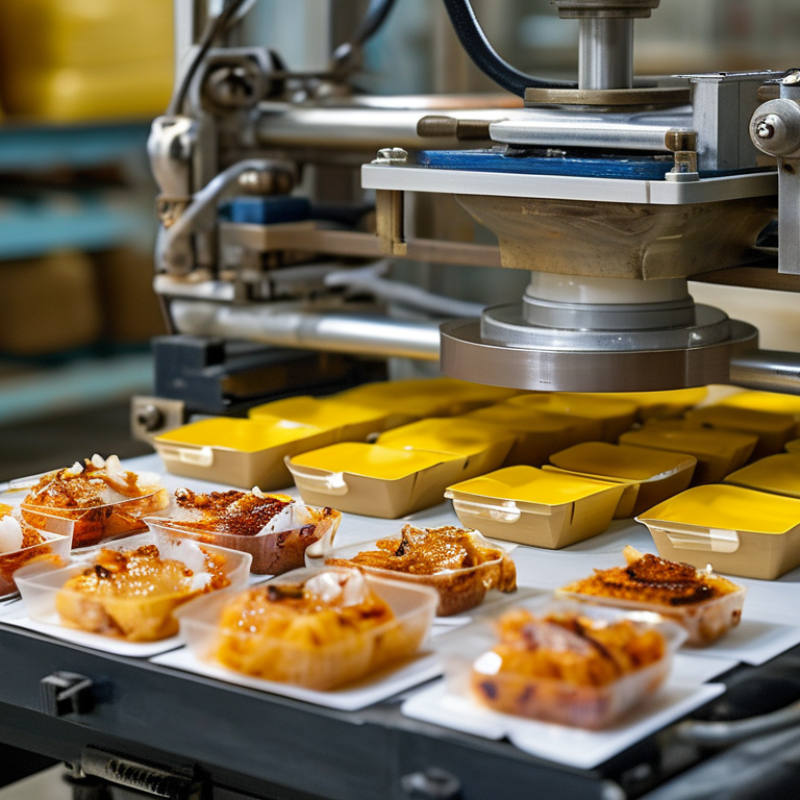
In the food sector, stretch film wrappers are widely used. According to industry reports, over 60% of food products employ plastic wrapping for protection against spoilage. These machines utilize stretch technology to firmly secure products. On the other hand, tray sealing machines cater to fresh produce and ready-to-eat meals. They maintain product quality and extend shelf life, which is vital in the competitive food market. There is a growing drive towards sustainable materials in this area, but challenges in disposal remain a concern.
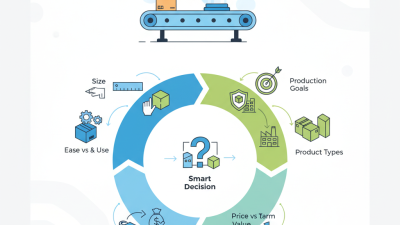
Manufacturers must consider various factors when choosing a wrapping machine. The size of the products, required speed, and budget are key elements. While some companies focus on high-speed automation, others may prioritize flexibility for different product sizes. This reluctance to adopt new technology can limit operational efficiency. As the industry evolves, businesses should continually assess their needs to stay competitive.
Benefits of Using a Plastic Wrapping Machine in Industries
Plastic wrapping machines have become essential in various industries. They enhance packaging efficiency significantly. According to a report by Smithers Pira, the global demand for flexible packaging, including plastic wrapping, is expected to reach $300 billion by 2025. This data highlights the industry's shift towards efficient and cost-effective packaging solutions.
One major benefit of using plastic wrapping machines is their ability to ensure product safety. They protect goods from contamination and external damage. In sectors like food and pharmaceuticals, maintaining product integrity is vital. The ability to create vacuum-sealed packages also extends shelf life, contributing to reduced waste.
Cost effectiveness is another advantage. Automating the packaging process allows companies to increase output. A study from the Packaging Machinery Manufacturers Institute indicates that automation can boost productivity by up to 25%. However, reliance on machinery can lead to unexpected downtimes and maintenance issues. Businesses must balance automation with the need for skilled personnel to manage potential challenges. Proper training and regular checks can alleviate some of these concerns but may incur additional costs.
What is a Plastic Wrapping Machine and How Does It Work? - Benefits of Using a Plastic Wrapping Machine in Industries
| Feature |
Description |
Benefits |
| Automatic Operation |
These machines automate the wrapping process, reducing the need for manual labor. |
Saves time and labor costs. |
| Versatility |
Can wrap a variety of products, including pallets, boxes, and irregular shapes. |
Increases efficiency across different product lines. |
| Cost-Effective |
Utilizes less material than manual wrapping methods. |
Reduces packaging costs over time. |
| Protective Layer |
Provides a protective barrier that guards against dust, moisture, and damage. |
Ensures product quality during transportation and storage. |
| Enhanced Security |
Secures the products, reducing the risk of theft or tampering. |
Improves safety and reliability for shipments. |