What Are the Top Wrapping Machine Types in 2026?
Choosing a wrapping machine in 2026 starts with the product, not a feature list. Package size, film type, output rate, and available floor space all shape the right choice. A bakery may need a flow wrapper for individual items, while a distribution center may need a stretch wrapper for stable pallet loads. Small distinctions matter.
This guide introduces common wrapping machine types, including stretch, shrink, flow, orbital, and pallet-wrapping systems. It explains what each machine handles, where it fits, and which trade-offs deserve attention. A shrink system may deliver a neat, close-fitting pack, but it also needs suitable heat control and space. A flow wrapper can handle consistent individual products, yet frequent product changes may slow setup. Details decide.
Buyers should compare real operating conditions, not just advertised speeds. Ask suppliers to run representative products and record changeover time, film use, and package quality. Confirm that the machine fits existing conveyors and that operators can access routine adjustments safely. These checks are practical, but they are sometimes skipped. No category is automatically best; even an efficient machine can disappoint when product dimensions vary or production plans change. The following overview offers a clear starting point, while leaving room for a less tidy truth: the best choice often depends on details a brochure cannot show.
How Wrapping Machines Are Classified by Their Packaging Method
What Are the Top Wrapping Machine Types in 2026?
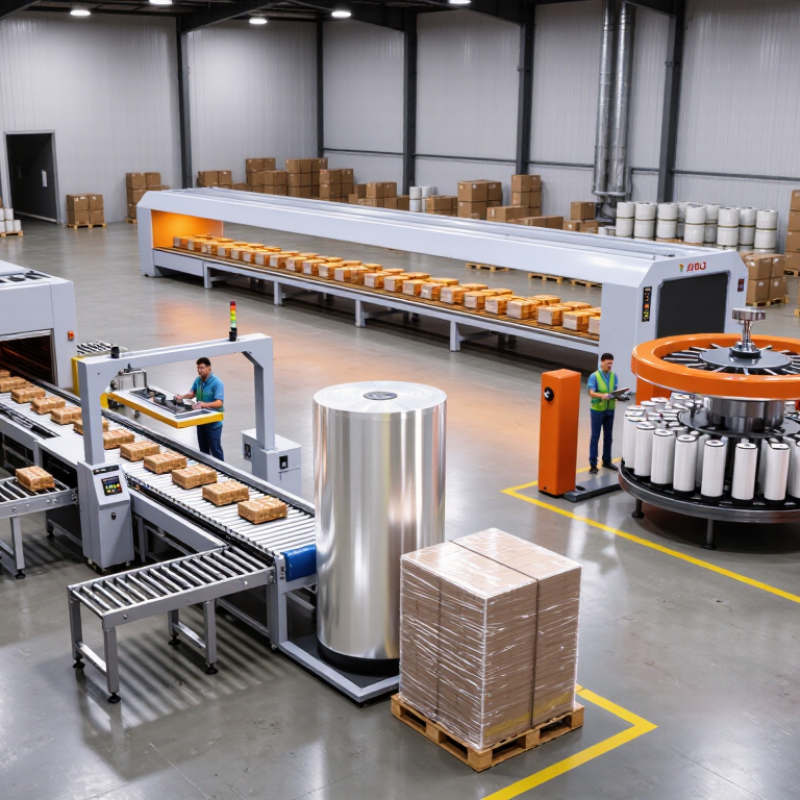
Wrapping machines are best classified by how they form and secure a package, not by speed alone. A stretch wrapper rotates a pallet while film holds cartons together. A shrink wrapper encloses products in film, then uses heat to draw it close. Flow wrappers seal continuous film around individual items, often creating pillow-shaped packs. Sleeve wrappers apply a band around grouped products. Not always.
Each method suits different products and handling needs. Stretch film helps stabilize loads for storage and transport; shrink film creates a close, display-ready finish. Flow wrapping is common for repeat-sized items, such as snack bars or bakery products. Sleeve wrapping can group bottles or cans while leaving much of each package exposed. Check film tension, seal quality, product shape, and changeover time using real samples. Small details matter.
Market context shows the scale of packaging equipment investment. PMMI’s 2023 State of the Industry report estimated U.S. packaging machinery shipments at $10.9 billion in 2022. This figure covers machinery broadly, not wrapping equipment alone, so it is not a wrapper-market estimate. There is a messy middle: some lines combine film feeding, sealing, and downstream handling. The label “wrapping machine” can hide meaningful differences, and a test run may reveal more than a specification sheet.
Stretch Wrappers for Stabilizing Loads and Bundles
What Are the Top Wrapping Machine Types in 2026?
Stretch Wrappers for Stabilizing Loads and Bundles
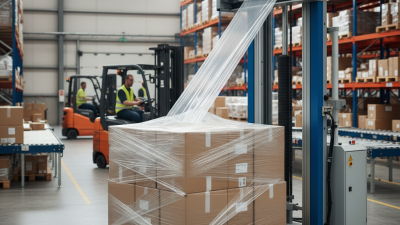
Stretch wrappers secure pallet loads and bundled products with tensioned plastic film. Common designs include turntable, rotary-arm, and orbital machines. A turntable rotates the load; a rotary arm moves around a stationary pallet. Orbital wrappers suit long, narrow bundles, such as pipes or lumber. The right choice depends on load shape, weight, and daily volume. A tall, uneven pallet needs different support than a compact bundle.
Good wrapping is about controlled containment, not simply adding more film. Film tension that is too low can leave cartons shifting during handling. Excessive tension may crush corners or deform lighter packages. On the floor, watch the bottom layers closely: loose film near the pallet base often signals a weak wrap pattern. Still, one slipping load does not always mean the machine is at fault. Packaging quality and pallet condition matter too.
Tips: Check film tension and overlap before increasing wrap cycles. Keep sharp corners protected, and confirm the load stays stable during a gentle movement test. Record film use and damaged loads for a week; the pattern may reveal a setting problem. Small adjustments can help, but inspect the result each time.
Shrink Wrappers for Protective, Form-Fitting Packs
Shrink wrappers create tight, transparent packs that hold products together and reduce shifting during handling. An L-bar sealer suits small batches, while continuous-motion systems serve faster lines. A heat tunnel then draws the film close around cartons, bottles, or bundled goods. The finish is neat. But tight does not mean damage-proof: sharp corners can puncture film, and uneven heat can leave wrinkles or weak seals.
Film choice and machine settings matter as much as speed. Polyolefin often suits retail multipacks; polyethylene is common for heavier bundles. Operators should test real products at line speed, checking seal strength, corners, and tunnel temperature. Shrink film does not automatically provide strong oxygen or moisture protection. That assumption can cause trouble. Confirm the required protection before treating a shrink pack as a product barrier.
Material use deserves equal attention. The US Environmental Protection Agency’s Advancing Sustainable Materials Management: 2018 Fact Sheet reports that containers and packaging made up 82.2 million tons, or 28.1%, of US municipal solid waste. This broad category is not shrink film alone, but it highlights the value of avoiding excess packaging. Right-sizing film, tuning heat, and reducing failed packs can cut waste without compromising load stability. A thinner film is not always better; test it under actual shipping conditions.
Flow Wrappers for High-Speed Product Packaging
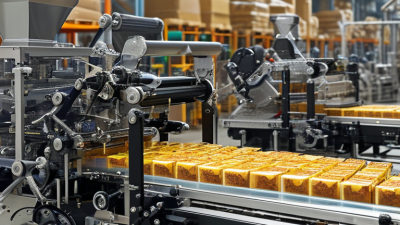
Flow wrappers form, fill, and seal products inside a continuous film tube. They suit biscuits, bars, medical devices, and other discrete items. A horizontal infeed carries each product toward forming shoulders, sealing jaws, and a cutting station. The result can be neat and fast. Yet speed alone is not a useful buying measure. Product spacing, film behavior, and changeover time can slow a line in practice. PMMI’s 2024 State of the Industry report places U.S. packaging machinery shipments above $10 billion annually, reflecting the scale of investment in automated packaging. That figure covers many machine types, not flow wrappers alone, but it shows why careful line selection matters.
For high-speed packaging, match the wrapper to the product’s size, shape, and surface. Fragile cookies may need gentler handling than firm bars. Check rated speed alongside real production conditions, including film changes, rejects, and cleaning. Ask suppliers to demonstrate your actual product and packaging material. Inspect seals after the run. Small wrinkles can signal poor tension or temperature control. A machine can be technically fast yet still create bottlenecks upstream.
Tips: Test several film rolls and product batches before finalizing settings. Record jaw temperature, film tension, and reject rates. Leave room for operator adjustments; real lines are rarely as tidy as a demo.
Pallet and Orbital Wrappers for Securing Larger Loads
For large, heavy loads, pallet wrappers and orbital wrappers solve different handling problems. A pallet wrapper secures cartons, drums, or mixed cases to a pallet using rotating film or a moving arm. Turntable models suit stable loads; rotating-arm models keep tall or less stable loads still. That matters. A load that shifts during wrapping can arrive with crushed corners or loose layers.
Orbital wrappers use a ring that travels around long or bulky products, such as pipes, panels, and bundled lumber. Their horizontal wrapping path can cover a load without turning it on a platform. Operators should check film overlap, tension, and edge protection, then test the wrapped load during normal handling. Too much tension can deform soft packaging; too little may let layers move. Not always. The best machine depends on load shape, weight, line speed, and available floor space, not just advertised output. One detail is easy to overlook: irregular pallets may need better stacking before any wrapper can secure them consistently. No machine fixes poor load arrangement. A short trial with representative loads can reveal awkward film breaks or weak containment before installation.
Top Wrapping Machine Types in 2026: Pallet & Orbital Wrappers
Standard pallet footprints show the load sizes commonly handled by pallet stretch wrappers. Orbital wrappers are typically used for long or irregular loads that do not fit a conventional pallet footprint.
Footprint area is calculated from nominal pallet dimensions: GMA, 48 × 40 in (1,219 × 1,016 mm); Euro pallet, 1,200 × 800 mm. Areas are rounded.