How to Choose the Right Wrapping Machine for Your Business?
Choosing the right wrapping machine for your business can be a daunting task. There are many factors to consider, and the right choice impacts efficiency and costs. A quality wrapping machine not only ensures your products are safely packaged but also enhances your workflow.
It’s essential to evaluate the specific needs of your business. Different industries require different types of wrapping machines. For example, food products need hygienic solutions, while shipping materials need sturdy wrap. Understanding your product and its requirements is crucial.
Some machines promise speed, but maintaining speed without quality can lead to problems. Additionally, it’s vital to think about the future. Invest in a wrapping machine that can grow with your business. This reflection ensures you won’t regret your decision later.
Understanding the Different Types of Wrapping Machines Available
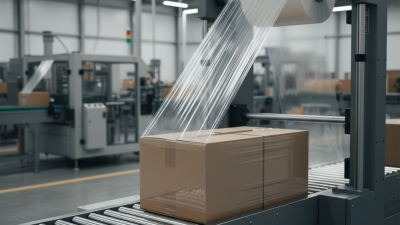
When choosing a wrapping machine, understanding the types available is crucial. There are several common options, including stretch wrappers, shrink wrappers, and flow wrappers. Stretch wrappers use elastic film to wrap products tightly. They are perfect for securing pallet loads. Shrink wrappers use heat to shrink plastic around items. They offer a clean finish and protection against dust and moisture. Flow wrappers, on the other hand, are great for packaging individual products in a continuous flow.
Each type has its advantages and limitations. Stretch wrappers are efficient but may not fit all product shapes. Shrink wrappers provide a polished look but require additional equipment like heat tunnels. Flow wrappers can be fast but often have higher initial costs. It’s essential to evaluate your product size and volume for the best fit.
In considering these options, remember the importance of reliability and maintenance. A machine that breaks down frequently can disrupt workflow. It's also wise to seek insights from peers or experts in the industry. They can provide valuable experiences that might not be apparent during your research. Ultimately, understanding these machine types can lead to better decisions for your business's needs.
Evaluating Your Business Needs for Wrapping Solutions
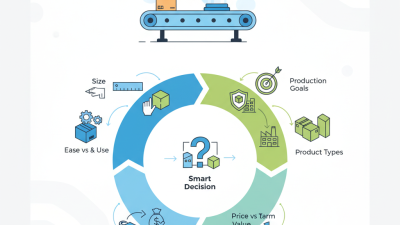
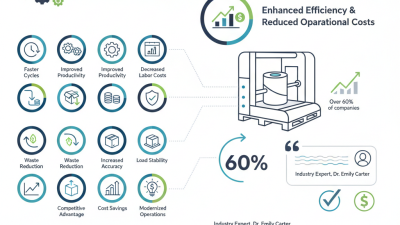
When evaluating your business needs for wrapping solutions, it's crucial to consider the volume and type of products you handle. According to recent industry reports, companies that use automated wrapping solutions can increase productivity by up to 30%. This means less time spent packing and more time focusing on growth. If your business sees a high turnover of products, a wrapping machine could be an indispensable investment.
Next, analyze the specific requirements of your products. Are they fragile or irregularly shaped? Firms often discover that standard models do not accommodate their unique goods. For example, a manufacturer that packages oddly shaped items may require a custom solution. Reports show that investing in tailored machinery can improve efficiency and reduce waste. Don't overlook the potential for flexibility in your operation; a modular machine can adapt as your needs change.
Finally, reflect on your budget and cost-effectiveness. High-end machines may offer advanced features, but they also come with higher maintenance costs. Basic models might suffice for smaller operations but could hinder growth. Balancing features with financial viability is essential. Tracking your return on investment is critical; some businesses find that the initial cost leads to significant long-term savings.
Considering Machine Features and Specifications
When choosing a wrapping machine, it's essential to focus on specific features and specifications. First, consider the machine's speed. A faster machine can improve efficiency but may require more maintenance. Striking a balance is crucial.
Next, examine the type of materials the machine can handle. Different products require various wrapping solutions. A versatile machine may save costs but could lack specific capabilities for unique needs. Think about future product lines as well.
Additionally, look into automation features. Automated machines reduce labor costs but may be challenging to troubleshoot. An operator-friendly design can ease training but might limit advanced functions. Always assess your business's immediate needs against potential growth.
Assessing Budget and Cost-Effectiveness in Wrapping Machines
When selecting a wrapping machine, budget considerations are crucial. A study by the Packaging Machinery Manufacturers Institute found that packaging machinery typically represents 10-15% of total production costs. This percentage can vary significantly based on the type of machinery and materials used. Businesses must evaluate not just the purchase price but also the long-term operational costs. Machines with lower upfront costs may incur higher maintenance and energy expenses.
Cost-effectiveness is another vital aspect. Businesses should analyze the machine's capacity and speed. A machine that wraps 60 packages per minute might reduce labor costs and increase efficiency. According to a report from MarketsandMarkets, investing in efficient wrapping machines can yield a return on investment within 18 months. However, it's essential to assess whether a faster machine aligns with production needs without creating excess inventory.
Understanding the total cost of ownership is key. This includes training, maintenance, and possible downtime. Sometimes, businesses overlook the hidden costs that come with cheaper machines. Investing in quality may lead to savings over time. A balance between initial expenditure and ongoing costs must be struck for optimal efficiency.
Cost-Effectiveness of Different Types of Wrapping Machines
Researching Manufacturers and Supplier Reputation for Quality Assurance
When selecting a wrapping machine for your business, researching manufacturers is crucial. Start by exploring various suppliers. Look for those with a good track record. Check customer reviews online. A strong reputation often indicates reliability. Engage with industry forums and groups. Their insights can direct you to trustworthy manufacturers.
Quality assurance is vital to prevent future headaches. Product failures can harm your business. A reputable supplier is more likely to provide durable equipment. Investigate the warranty and service options they offer. Don't hesitate to reach out for additional information. It’s essential to ask questions and clarify any doubts. Documenting your findings is a good practice.
Reflect on your specific needs as you explore options. Each business has unique requirements. Consider the scale of your operations. What works for one company may not suit yours. Be cautious about apparent bargains. Sometimes, an ultra-low price indicates compromised quality. Prioritize suppliers known for their consistency and support.