How to Choose the Best Plastic Wrapping Machine for Your Needs?
Choosing the right plastic wrapping machine can significantly impact your packaging process. With the variety of options available, understanding your specific needs is essential. Different industries have unique requirements, and a one-size-fits-all approach may not work effectively.
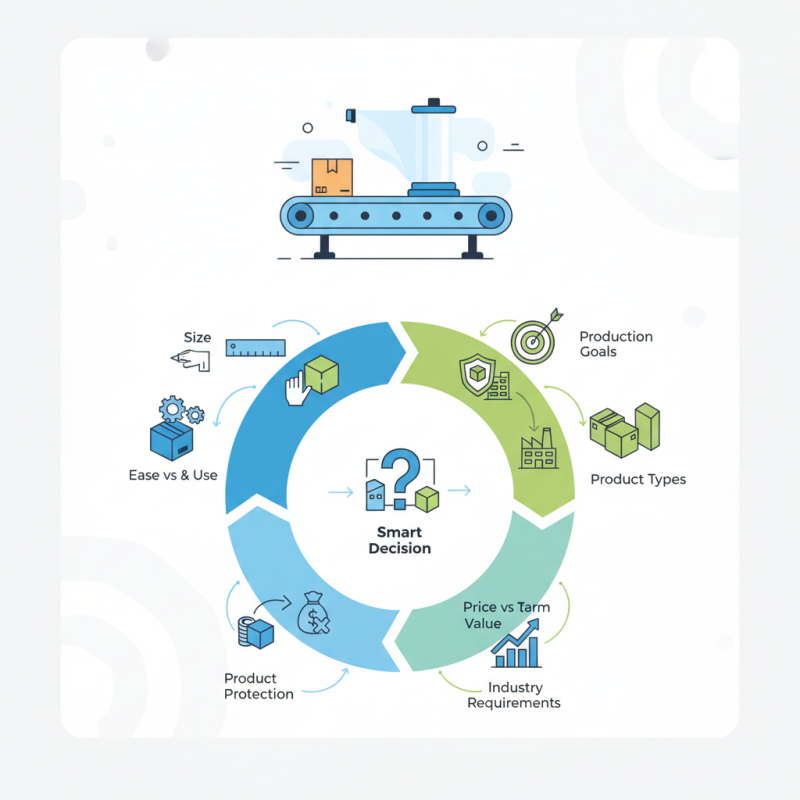
A good plastic wrapping machine should enhance efficiency and ensure product protection. It's important to consider factors like size, speed, and ease of use when selecting a machine. Quality matters, and not all machines guarantee durability and performance. Your investment should align with your production goals and product types.
While it’s tempting to choose a machine solely based on price, this can lead to regrets. Cheaper machines might save money upfront but could result in higher long-term costs. Reflecting on these points will guide you to a more informed decision. In your search, keep these considerations in mind, and you may find a machine that meets your needs perfectly.
Understanding Different Types of Plastic Wrapping Machines Available
When selecting a plastic wrapping machine, it’s essential to understand the types available. There are several categories, including manual, semi-automatic, and fully automatic machines.
Manual machines require more labor but are cost-effective for small operations. Semi-automatic machines streamline processes, balancing human input and automation.
Fully automatic models offer high efficiency, suitable for large-scale production. According to a recent report by Smithers Pira, the global plastic wrapping market is projected to grow by 5.8% annually, indicating the rising demand for efficient packaging solutions.
Each type of plastic wrapping machine serves a unique market need. Manual machines may suffice for small bakeries, allowing hands-on control. In contrast, fully automatic systems integrate advanced technology, reducing labor costs significantly. The International Packaging Association notes that businesses transitioning to fully automatic machines experience a 30% increase in throughput.
However, investing in a high-end machine can be daunting for smaller operations. The initial costs can deter new businesses from making the switch, even though long-term benefits exist.
Choosing the right machine requires careful evaluation of your production volume and budget. It's not just about the purchase price; factors like maintenance and operational costs must also be considered. An outdated machine can lead to inefficiencies, causing delays and higher waste.
Hence, understanding the nuances of each type can prevent costly mistakes in the future.
Key Features to Consider When Selecting a Plastic Wrapping Machine
When selecting a plastic wrapping machine, several key features stand out. First, consider the machine's capacity. Will it meet your production needs? Assess the size of items you'll wrap. Larger products often require more robust machines. A compact machine may save space but might not handle high volumes effectively.
Speed is another important factor. Machines vary in wrapping speed. Faster machines can boost productivity but may compromise quality. Striking a balance is crucial. Choose a speed that suits your workflow without sacrificing the integrity of the wrap.
**Tips: Evaluate the machine’s ease of use. Complex setups can slow operations. Look for user-friendly controls and straightforward maintenance.**
Next, think about the type of wrapping film it accommodates. Some machines work with various film types, while others are specialized. Ensure compatibility with the materials you use regularly. It might require thoughtful planning.
**Tips: Read reviews and seek advice from industry experts. They can provide insights into reliability and performance. A well-informed choice is essential.**
Lastly, consider the machine's warranty and support options. Reliable customer service can make a difference when issues arise. Even a reliable machine may require assistance at some point. Prioritize support that ensures your investment remains a productive asset.
Key Features to Consider When Selecting a Plastic Wrapping Machine
Assessing Production Needs and Volume for Optimal Machine Selection
Choosing the right plastic wrapping machine begins with understanding your production needs. Start by assessing your packaging volume. Consider how many products you wrap daily. A small business may require a compact machine, while a larger operation might need a high-speed model. Think about the size of your products too. Machines vary in width, which affects how they handle different items. If you often change product sizes, flexibility in machine design is crucial.
Equipment reliability is key. You want a machine that can handle demands without constant breakdowns. Research maintenance requirements. Some machines need more frequent servicing. This can slow down production. While hunting for efficiency, consider automation features. Semi-automatic machines are easier to operate. But do they meet your speed needs? Juggling cost and functionality is not easy.
In the end, your choice should align with your business strategy. Equip yourself with knowledge to prevent costly mistakes. Engage with industry experts if possible. They can provide insights on adapting machines to your specific situation. Sometimes, a machine that seems perfect on paper may not fit real-life scenarios. Reflection on previous purchases can guide future decisions. Pay attention to production flow and employee feedback. Their experiences can highlight potential issues you might overlook.
How to Choose the Best Plastic Wrapping Machine for Your Needs?
| Machine Type |
Production Volume (Units/Hour) |
Film Width (inches) |
Speed (m/min) |
Features |
| Semi-Automatic Wrapper |
10-20 |
12-18 |
10 |
Manual Loading, Adjustable Settings |
| Fully Automatic Wrapper |
30-50 |
16-24 |
20 |
Auto Feeding, Integrated Conveyor |
| Shrink Wrapper |
15-30 |
12-20 |
15 |
Heat Shrink, Compact Design |
| Vertical Wrapper |
25-40 |
14-22 |
17 |
Space Saving, Easy Operation |
Budgeting for Your Plastic Wrapping Machine: Costs and Return on Investment
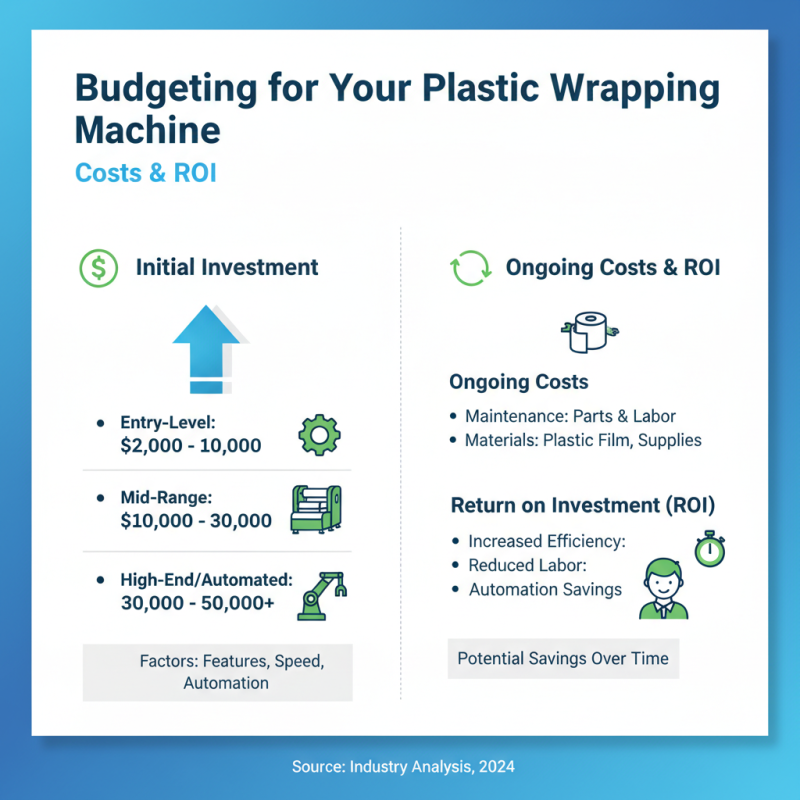
Budgeting for a plastic wrapping machine involves understanding both costs and potential returns. The initial investment can range from $2,000 to $50,000, depending on specifications. A mid-range machine typically costs around $10,000. Factors affecting price include features, speed, and automation levels. When budgeting, it’s crucial to consider ongoing costs too, such as maintenance and materials.
According to industry reports, a well-chosen wrapping machine can enhance productivity by up to 20%. This boost translates into significant cost savings over time. Businesses often recover their investment within 12 to 24 months. However, choosing a machine solely based on price can lead to challenges. Lower-quality machines might save upfront costs but can incur higher long-term expenses.
Evaluating machine efficiency is vital. Productivity gains can vary significantly between models. A comprehensive cost analysis may highlight hidden expenses like downtime or labor costs. Make sure to calculate the return on investment accurately. This data-driven approach ensures you select a wrapping solution that meets your business needs effectively.
Maintenance and Support Considerations for Your Chosen Machine
When selecting a plastic wrapping machine, maintenance and support are crucial factors. Research shows that approximately 30% of machine downtime is due to inadequate maintenance. Regular inspections reduce this risk significantly. Operators should establish a routine to check components like heating elements, rollers, and electronic sensors. This proactive approach minimizes unexpected breakdowns.
Training staff on the machine's proper use is essential. According to data from industry surveys, poorly trained operators can increase repair costs by up to 20%. Consider a machine that offers technical support and clear documentation. Many manufacturers provide user manuals and online resources. These can be invaluable when troubleshooting issues. Access to a responsive support team can greatly decrease operational disruptions.
Maintenance contracts are worth considering. These often include routine servicing and quick access to spare parts. A recent study highlighted that companies with maintenance contracts experience 40% fewer outages. However, not all contracts are created equal. Review terms carefully to ensure they meet your specific needs. Balancing initial costs with long-term reliability is vital for sustainable operations.