


What Is a Box Strapping Machine?
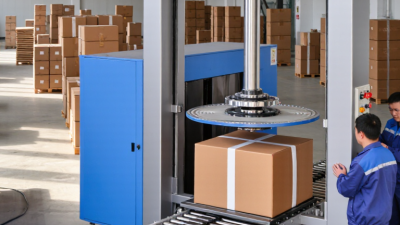
A box strapping machine secures cartons by feeding a strap around a package, tightening it, sealing the join, and cutting the excess. On a busy packing bench, the cycle may take only seconds: a carton slides into position, a strap passes around it, and a firm band holds the flaps in place. Simple to picture. The machine’s actual performance depends on package size, strap material, settings, and operator setup.
Models range from handheld tools and semi-automatic units to fully automatic systems built into conveyor lines. A semi-automatic machine may need an operator to guide the carton and position the strap. An automatic unit can detect a box with a sensor and apply a strap as it moves through an arch. Many machines use polypropylene strap for lighter cartons; heavier loads may call for different materials and equipment. Always check the manufacturer’s specifications.
This guide explains the main components, operating process, machine types, and common applications. It also looks at practical selection factors, such as carton dimensions, expected volume, available floor space, and maintenance needs. A faster cycle can help, but it does not guarantee a better result. Poor strap alignment or excessive tension can damage a carton. Small details matter. Even experienced teams may need to adjust settings when box sizes or packaging materials change. The right machine is the one that fits the real workflow, not just the fastest option on a product sheet.
Definition and Purpose of a Box Strapping Machine
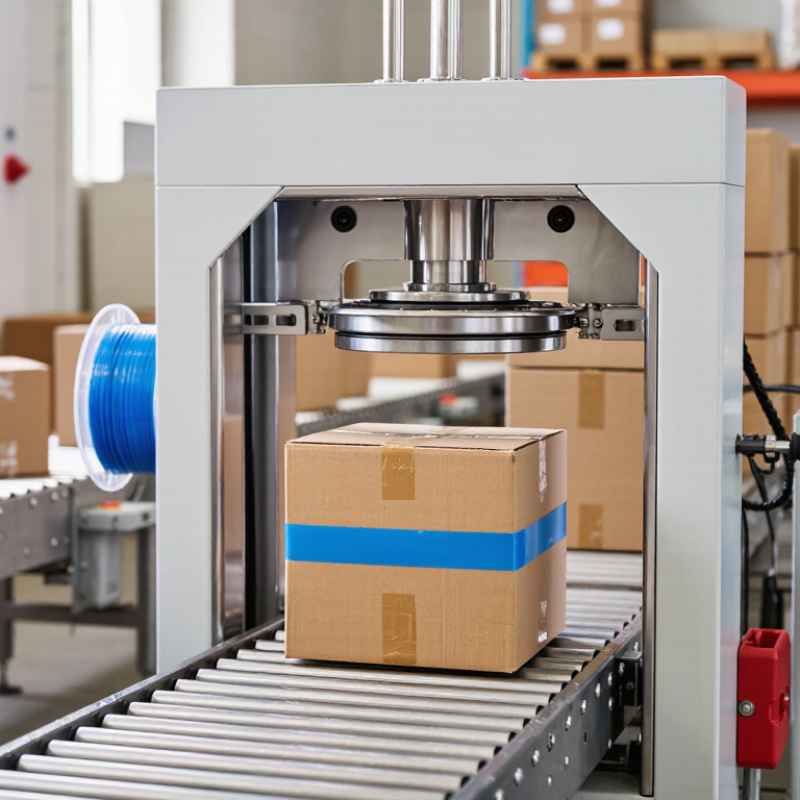
A box strapping machine secures a carton with a tensioned band, usually made from plastic or steel. Depending on the model, an operator places the box beneath an arch, or a conveyor moves it through automatically. The machine feeds strap around the package, tightens it, seals the overlap, and cuts the remaining material. Some systems use heat to join the strap; others use a mechanical seal.
The purpose is to keep cartons closed and reduce shifting during storage and transport. A correctly applied strap can help a box hold its shape when stacked, though it cannot compensate for weak packaging or poor loading. Tension matters. Too much can dent cardboard corners; too little may let the load move. Operators typically adjust settings for carton size, strap type, and product weight, then check a few packages before continuing. A small detail matters. Strap placement can affect stability, especially on tall boxes. In real production, the ideal setting may take a little trial and adjustment, since cartons and contents do not always behave exactly as expected.
What Is a Box Strapping Machine?
A box strapping machine secures cartons with a tensioned strap. A typical cycle positions the carton, feeds the strap around it, tightens the strap, then seals and cuts it. Exact operation varies by machine type.
Main Components and Their Functions
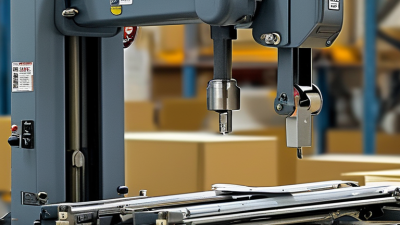
A box strapping machine feeds, tensions, and seals a strap around a packed carton. Its reel holder keeps the coil aligned, while feed rollers guide the strap through the machine. A tensioning unit pulls it snug; too little tension lets the box shift, while too much can crush its corners. The sealing head joins the strap ends using heat, friction, or a metal seal, depending on the machine design. Small details matter. A dusty sensor or misaligned strap path can cause repeated stops.
The arch guides strap around the carton, and photoelectric sensors detect when a box reaches the sealing position. A control panel lets operators adjust settings such as strap tension and cycle timing. Guards protect moving parts, but they do not replace careful setup and maintenance. There is a trade-off: faster cycles can raise output, yet unstable cartons may need gentler handling. The International Federation of Robotics’ World Robotics 2024 report recorded 541,302 industrial robots installed worldwide in 2023. That figure covers many industries, not strapping machines specifically, but it reflects wider investment in automation. For a strapping line, the useful measure is whether each component works reliably with the carton size, strap type, and conveyor speed. One missed detail can undo the benefit.
How the Strapping Process Works
A box strapping machine secures a carton with a plastic or steel band. The process starts when an operator places the box on the table or conveyor and positions it beneath the strapping head. On many automatic machines, a sensor detects the carton and starts the cycle. The strap travels around the package, forming a loop. Small shifts in box position can affect where that loop lands.
The machine then pulls the strap tight. Tension should hold the carton steady without crushing its corners or bending its panels. Next, the machine joins the strap ends, often using heat or friction, and cuts away the excess. Then it pauses. A completed cycle may take only a few seconds, though strap material, package size, and machine settings all influence the result.
An operator checks the joint and the package before sending it onward. A loose band may let the box shift; an overly tight one can leave deep marks. There is no single tension setting that suits every carton, so testing with the actual load matters. Keep hands clear of moving parts, and inspect the strap path for dust or scraps. Even a small buildup can cause misfeeds.
| Process Stage | What Happens | Machine Component | Typical Details | Purpose |
|---|---|---|---|---|
| 1. Package positioning | A box is placed on the machine table or conveyed into the strapping area. | Worktable, conveyor, or package stop | Manual and semi-automatic machines may require an operator to position the box. Automatic systems can use conveyors and sensors. | Aligns the package with the intended strap path. |
| 2. Strap selection and loading | A coil of strapping material is loaded into the dispenser and threaded through the feed path. | Strap dispenser and guides | Polypropylene (PP) is commonly used for light-to-medium-duty packages. Polyester (PET) is often selected when higher strap strength or tension retention is needed. Suitability depends on the load and application. | Supplies the strap used to secure the package. |
| 3. Strap feeding | The machine feeds strap through its guides and, on an automatic arch machine, around the package path. | Feed rollers, guides, and arch | Arch dimensions must accommodate the package. Strap widths vary by machine and application; common options include widths such as 9, 12, and 15 mm. | Positions the strap around the box. |
| 4. Strap take-up | The loose end is retrieved and the strap is drawn snug around the package. | Take-up and tensioning mechanism | Tension should suit the package: excessive force can crush cartons, while insufficient tension may allow the strap to loosen. | Creates a secure fit without damaging the contents or box. |
| 5. Joint sealing | The overlapping strap ends are joined to form a closed loop. | Heat-sealing or friction-welding unit | Many machines create a joint by heating or vibrating the strap ends under pressure. The sealing method depends on the machine and strap material. | Holds the strap loop together after tensioning. |
| 6. Cutting and release | The machine cuts the strap from the coil and releases the finished loop. | Cutter and discharge mechanism | On many machines, cutting occurs as part of the sealing cycle. The package can then be removed or moved along the conveyor. | Completes the cycle and prepares the machine for the next strap. |
| 7. Cycle reset | The machine returns the strap path to its starting position for another cycle. | Controls and strap-feed system | Depending on the model, a cycle may start with a foot pedal, push button, sensor, or automated line control. | Enables repeatable strapping of subsequent packages. |
| Choosing a machine | Match the machine to package dimensions, throughput needs, strap material and width, required tension, and the desired level of automation. Operating details and capabilities vary by model and application. | |||
Types of Box Strapping Machines
What Is a Box Strapping Machine?
Types of Box Strapping Machines
Box strapping machines secure cartons with plastic straps, helping keep loads closed during handling and shipment. Their main differences are automation level, strap position, and how they fit into a packing line. A machine that suits one carton size may struggle with another.
Manual and handheld machines suit low-volume work or oversized cartons. An operator wraps the strap around a box, tensions it, and seals the joint. They are flexible, but results can vary with operator technique. Small batches benefit.
Semi-automatic machines usually have a tabletop frame. The operator places the carton and feeds the strap around it; the machine tensions and seals the strap. These models work well for steady, moderate output, though someone still handles each box. Fully automatic machines can strap cartons with little intervention, often as part of a conveyor line. They support higher throughput, but need consistent carton dimensions and careful setup.
Machines also differ by strap direction. Vertical strapping secures a strap over a carton, while horizontal systems wrap around its sides. Some equipment handles multiple straps or adjusts for different package sizes. In practice, cartons are rarely perfectly uniform. Check box dimensions, daily volume, strap width, and available floor space before choosing. A short production trial can reveal awkward loading or strap placement that specifications may miss.
Common Uses, Safety, and Maintenance Considerations
A box strapping machine tightens plastic or steel strap around cartons, bundles, and pallet loads. It helps keep goods stable during handling and shipment. On a packing line, an operator may place a carton beneath the arch, align the strap, and check the completed seal before moving the box onward. Smaller facilities may use a handheld tool instead. The right setup depends on package size, load weight, and production speed.
Safety deserves attention around moving feed rollers, cutters, and heated or friction-weld sealing heads. Keep guards in place, and never reach into a jammed machine while it can move. OSHA’s lockout/tagout standard requires hazardous energy to be controlled during servicing. BLS reported 2.6 million nonfatal workplace injuries and illnesses in private industry in 2023. The rate was 2.4 cases per 100 full-time workers. These figures cover many types of work, not strapping machines specifically, but they underline why routine controls matter. A rushed jam-clearing step can undo careful training.
For maintenance, inspect strap guides, rollers, cutters, and seals for wear or debris. Check strap tension and seal quality with sample packages, especially after changing strap or load settings. Follow the machine manual for cleaning and lubrication intervals; excessive lubricant near a sealing area can cause problems. Keep a simple log of jams and adjustments. It may feel tedious. Yet recurring misfeeds can point to worn parts, poor strap alignment, or settings that no longer fit the package.
Related Posts
-
Best Strapping Machine Manufacturer in China?
-
How to Choose a Strapping Machine in 2026?
-
How to Choose a Semi Automatic Strapping Machine
-
2026 Best Semi Automatic Strapping Machine for Global Buyers?
-

Top Banding Machine Types for Efficient Packaging Solutions?
-
Best Banding Machines for Efficient Packaging Solutions?