


How to Choose a Semi Automatic Strapping Machine
Choosing a semi automatic strapping machine is not simply a matter of comparing prices. It is a decision about workflow, package stability, operator comfort, and long-term service. A machine may look impressive in a catalogue, yet struggle beside a dusty warehouse door or under uneven daily demand. Before choosing, measure your cartons, note their surface condition, and record how many packages workers strap each hour.
Packaging scientist and author Dr. Susan E. M. Selke has emphasized, “Packaging is a system, not a single object.” That principle matters here. The right semi automatic strapping machine must match your products, packaging materials, workspace, and people. Check its compatible strap width, tension range, sealing method, table height, and cycle speed. A narrow table may slow large boxes. Excessive tension may crush lightweight cartons. Poor access to the strap coil can turn a simple replacement into an irritating interruption.
Experience also reveals details that specifications often hide. Listen for unstable motors, inspect the heating element, and ask how quickly local technicians respond. A clear safety guard and an accessible emergency stop are essential. So is training. Even a reliable machine can perform poorly when operators guess the settings.
The cheapest choice may not remain cheap. That assumption deserves questioning. Calculate maintenance, downtime, electricity use, spare parts, and expected service life before deciding. This guide explains how to compare these factors carefully, avoid attractive but unsuitable features, and select equipment that supports consistent, safer packaging work.
Understanding the Purpose and Operating Principles of Semi Automatic Strapping Machines
How to Choose a Semi Automatic Strapping Machine
Understanding the Purpose and Operating Principles of Semi Automatic Strapping Machines
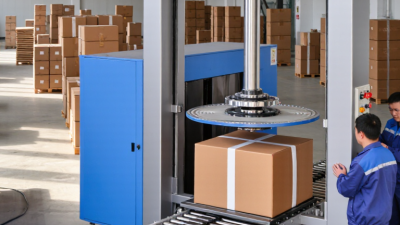
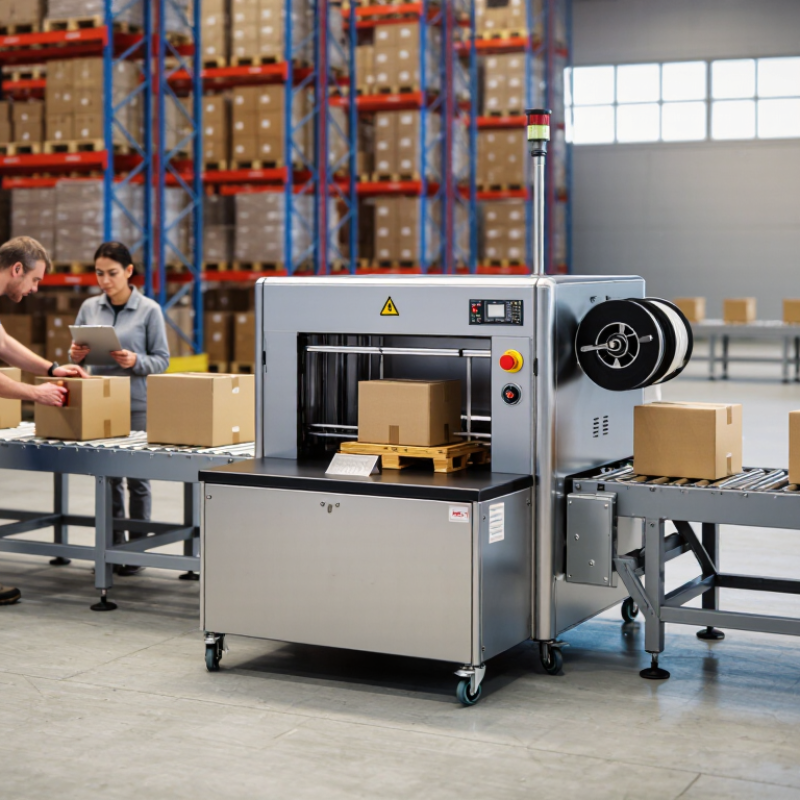
A semi automatic strapping machine stabilizes cartons, parcels, and small bundles during handling and transport. The operator positions the package on the table. The machine then feeds the strap, tensions it, heat-seals the joint, and cuts the remaining material. The cycle is simple. Its value lies in repeatability, not complexity.
World Robotics 2024 reported 4.28 million industrial robots operating worldwide in 2023, with 541,302 new installations that year. A semi automatic strapping machine is less advanced, but it supports the same productivity goal: reducing repetitive manual work. PMMI’s 2024 State of the Industry report also identifies labor availability and equipment uptime as major packaging concerns. A reliable strapping cycle can reduce loose bands, uneven tension, and operator fatigue.
Choose the machine around your actual packages. Measure carton length, width, height, and daily quantity. Check the compatible strap width, material, tension range, and sealing temperature. A narrow carton may need gentler tension. Heavy boxes need stronger restraint. Watch the operator during a trial. Can they place the package without twisting? Is the strap easy to thread? Can they clear a jam safely? These details matter.
Do not trust speed claims alone. A fast cycle becomes useless when strap feeding fails twice per hour. In practice, dusty floors and irregular cartons expose weaknesses quickly. I would also question whether every package needs the same tension. That assumption is convenient, but often wrong.
Identifying the Right Strap Material, Width, and Package Requirements
When choosing a semi automatic strapping machine, begin with the package, not the machine. Record its weight, dimensions, surface texture, and stacking conditions. These details determine the required strap strength and machine settings.
Polypropylene strap suits lightweight cartons and routine bundling. It is flexible and usually easier to handle. Polyester strap offers higher tension and better recovery for heavier boxes. Steel strap may suit demanding loads, but it requires careful handling and compatible sealing equipment. Material choice is practical.
Strap width must match both the package and the machine channel. Narrow strap works well on small cartons, but it may cut into soft surfaces. Wider strap spreads pressure across large or fragile packages. Do not choose width by appearance alone. Test it.
Package geometry also affects performance. Smooth, square boxes are easy to strap consistently. Rounded or uneven bundles may need guides, corner protection, or lower tension. Measure the smallest and largest package before ordering equipment. Your machine should handle both without frequent adjustments.
Operators should check whether the selected strap feeds smoothly, seals cleanly, and stays tight after handling. I have seen suitable machines perform poorly because the strap roll was too wide or the package surface was dusty. A test bundle often reveals these problems. Real production can be less tidy. Record failed tests, review the settings, and allow room for imperfect packages.
Comparing Machine Size, Tension Settings, and Sealing Performance
How to Choose a Semi Automatic Strapping Machine
Machine size should match your actual packing area, not your ideal production plan. Measure the conveyor height, working clearance, and space needed for maintenance. A compact frame suits narrow stations, while a larger table can support wider packages. Check the strap width range carefully. A machine designed for one size may limit future packaging changes. It sounds obvious. It is often missed.
Tension settings directly affect load stability and product safety. Use lower tension for cartons with soft edges or fragile contents. Rigid boxes usually tolerate stronger tension, but excessive force can crush corners. During practical testing, apply several tension levels to the same package. Watch for strap indentation, shifting, and loose loops after handling. Digital controls can improve repeatability, yet operators still need training. Numbers alone do not guarantee a secure bundle. I have seen settings copied from another line without checking carton strength, which created avoidable damage.
Sealing performance depends on heat, pressure, timing, and strap cleanliness. A reliable seal should look even and remain closed after moderate pulling. Test the joint soon after sealing and again after the package cools. Inspect for weak edges, wrinkles, or incomplete bonding. Dust and misaligned straps can reduce seal quality. Keep the sealing area clean. Small details matter. If the machine seals well but feeds inconsistently, production may still slow down. Recheck the strap path, guide alignment, and operator technique before changing the equipment.
How to Choose a Semi-Automatic Strapping Machine: Comparing Machine Size, Tension Settings, and Sealing Performance
The chart compares representative semi-automatic machine configurations. Compact models save floor space, while heavy-duty models provide higher strap tension and faster sealing cycles. For most general packaging applications, a standard machine offers a practical balance between footprint, tension capacity, sealing speed, and throughput.
Evaluating Speed, Safety Features, Maintenance, and Workplace Compatibility
Choosing a semi automatic strapping machine starts with the pace of your packing line. Measure actual cartons per hour, not the maximum cycle rate. In daily use, operators pause to align boxes, replace coils, and clear uneven loads. A machine rated for 30 straps per minute may deliver less in a busy room. Run a short trial with your real package sizes and strap tension requirements. That test reveals more than a brochure.
Safety features should protect normal work, not merely satisfy a checklist. Look for guarded heating elements, emergency stops, stable feet, and sensors that detect poor strap placement. The controls should remain visible while the operator stands naturally. A loud alarm can help, but it should not replace clear instructions and training. Keep hands away from the sealing area. I have seen rushed operators bypass simple procedures when production targets feel unrealistic. That is a workflow warning, not a worker problem.
Maintenance affects output as much as motor power. Ask how quickly staff can clean the strap path, remove scraps, adjust tension, and access wear parts. A weekly inspection can catch loose guides or inconsistent seals before cartons fail. Record recurring faults, even minor ones. The machine must also fit the workplace. Check floor space, power supply, noise, lighting, and operator reach. Dusty areas may require more cleaning, while narrow aisles need careful loading access. I would not choose the fastest model if it blocks movement or causes awkward lifting. A small speed compromise may create safer, steadier production. That trade-off should be tested with operators, not guessed from a desk.
How to Choose a Semi Automatic Strapping Machine - Evaluating Speed, Safety Features, Maintenance, and Workplace Compatibility
| Machine Profile | Typical Strap Width | Typical Strapping Speed | Tension Range | Table Height | Recommended Workload | Key Safety Features | Routine Maintenance | Workplace Compatibility | Selection Assessment |
|---|---|---|---|---|---|---|---|---|---|
| Compact Light-Duty | 6–12 mm | Up to approximately 27 straps/minute | Typically up to 45 kgf | Approximately 730–780 mm | Low-volume packaging; fewer than 200 packages per shift | Emergency stop, strap-end detection, automatic heat shutoff, overload protection | Clean the strap path daily; inspect the heater and tension rollers weekly | Small warehouses, retail backrooms, laboratories, and limited-floor-space areas | Best for occasional use and low investment |
| Standard General-Purpose | 9–12 mm | Up to approximately 30 straps/minute | Approximately 5–80 kgf | Approximately 730–800 mm | General packaging; approximately 200–500 packages per shift | Emergency stop, adjustable tension control, cycle sensor, guarded moving components | Remove strap dust daily; check seal quality and roller wear weekly; lubricate as specified | Distribution centers, e-commerce packing areas, and mixed-product operations | Best all-around balance of speed, cost, and flexibility |
| High-Tension Heavy-Duty | 12–16 mm | Approximately 18–25 straps/minute | Approximately 20–100 kgf or higher, depending on configuration | Approximately 750–850 mm | Dense cartons, compressed goods, and 500+ packages per shift | Emergency stop, motor overload protection, controlled tension release, guarded drive system | Inspect tension components each shift; remove debris daily; schedule preventive servicing monthly | Industrial packaging lines with stable power, durable flooring, and trained operators | Best when load stability and high tension are priorities |
| Corrosion-Resistant Washdown | 9–12 mm | Approximately 15–25 straps/minute | Approximately 5–70 kgf | Approximately 730–800 mm | Food, pharmaceutical, chemical, or humid-area packaging where permitted by site rules | Emergency stop, insulated heated parts, electrical protection, smooth cleanable surfaces | Clean according to site procedures; dry the strap path; inspect seals, wiring, and corrosion regularly | Moist or hygiene-controlled workplaces; verify the machine's actual protection rating before purchase | Best for demanding environmental conditions |
| Mobile or Adjustable-Height | 9–12 mm | Approximately 20–30 straps/minute | Approximately 5–80 kgf | Approximately 700–900 mm, depending on adjustment range | Shared workstations, variable package sizes, and changing production layouts | Locking casters, emergency stop, anti-tip design, adjustable tension and work height | Check caster locks and frame fasteners weekly; clean rollers and inspect the power cable | Facilities that require frequent relocation or ergonomic height adjustment | Best for flexible layouts and operator comfort |
Checking Power Requirements, Budget, Warranty, and Supplier Support
Choosing a semi automatic strapping machine starts with power, not appearance. Check voltage, phase, rated wattage, and startup current against your facility’s supply. A 110-volt machine may not suit every warehouse circuit. The U.S. Department of Energy reports that motor-driven systems consume about 69% of industrial electricity. One small machine will not transform your bill, but poor wiring can cause downtime and safety concerns. Ask for an electrical diagram. Do not rely on a sales photograph.
Budget for more than the purchase price. Include strap consumption, heating elements, replacement blades, electricity, installation, and operator training. Grand View Research valued the global packaging machinery market at about USD 45.65 billion in 2023, with continued growth expected through 2030. That growth reflects automation demand, but it does not guarantee a fast return for your operation. I would question any payback calculation that ignores maintenance hours. Small details matter. Compare the cost per package across twelve months, not one busy week.
A longer warranty is weak if technicians respond slowly. PMMI’s State of the Industry research continues to identify labor availability and automation investment as important packaging-sector concerns. Supplier support should include commissioning, spare-parts availability, troubleshooting guidance, and realistic response times. Ask for written service commitments. Ask for evidence. A local technician may be more valuable than a cheaper machine with distant support.
Related Posts
-
Best Strapping Machine Manufacturer in China?
-
2026 Best Semi Automatic Strapping Machine for Global Buyers?
-
How to Choose a Strapping Machine in 2026?
-
What Are the 2026 Top Plastic Banding Machine Types?
-
China Top Plastic Strapping Machine Manufacturers
-
Best Strapping Machine for Your Business Needs?