How to Choose a Strapping Machine in 2026?
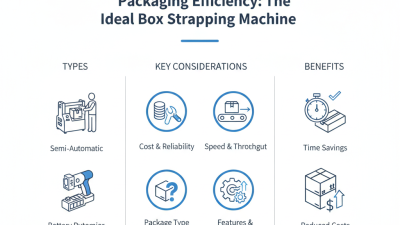
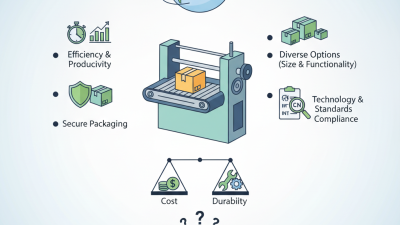
Choosing a strapping machine in 2026 requires more than comparing prices and production speeds. The right model must match your products, line layout, strap material, and daily workload. A small warehouse may need a compact semi-automatic unit. A beverage plant may require continuous feeding, automatic tension control, and reliable arch performance. The details matter.
Packaging machinery expert John R. Henry offers a useful principle: “The best packaging machine is the one that fits the process, not the one with the longest feature list.” That advice sounds simple. Applying it is not. Buyers should measure package dimensions, strap width, cycle time, tension requirements, and operator access before contacting suppliers. A machine that handles cartons beautifully may struggle with unstable bundles or dusty products. Real production conditions expose those weaknesses quickly.
Maintenance also deserves attention. Ask how often sealing parts need replacement. Check whether sensors, blades, and heaters are easy to reach. Request documented performance data, training support, and spare-parts availability. A low purchase price can become expensive when one failed component stops the line. Energy use, noise, safety guarding, and future automation should also influence the decision.
There is no perfect choice. I have seen buyers focus heavily on speed and overlook changeover time. That mistake can quietly reduce output every day. The strongest decision combines measurable requirements with hands-on testing. Run your own packages through the strapping machine. Watch the strap tension, seal quality, alignment, and operator movement. Then choose the equipment that performs consistently, not merely impressively.
What Is a Strapping Machine and How Does It Work?
How to Choose a Strapping Machine in 2026?
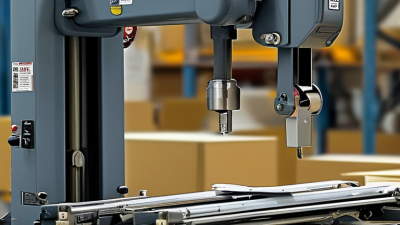
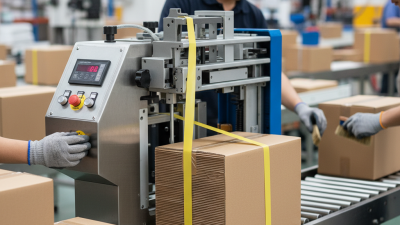
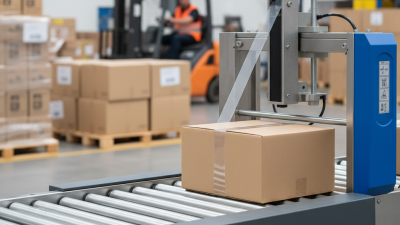
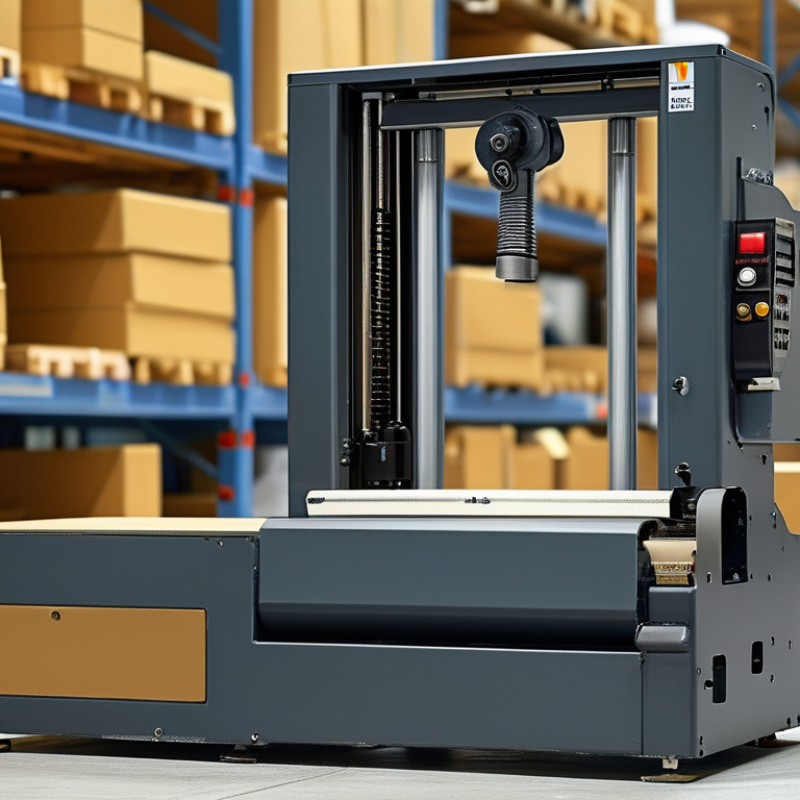
A strapping machine secures cartons, bundles, and pallets with plastic or metal strap. It feeds the strap around a package, tightens it, and seals the joint. The machine then cuts the remaining strap cleanly. Simple in principle. Different designs suit different workloads.
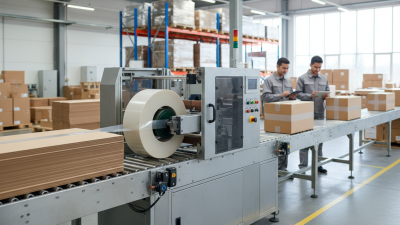
Semi-automatic models need an operator to position each package. Automatic systems detect cartons and complete the cycle with less handling. In a busy warehouse, this can reduce repetitive movement and improve packing consistency. However, speed should not be the only measure. A machine that damages soft boxes creates hidden costs. Strap width, package size, line speed, and available floor space all deserve careful checking. Noise and maintenance access matter too.
A common testing mistake is choosing excessive tension. Tighter is not always safer. It may crush fragile cartons or leave deep marks. Reliable selection begins with sample packages, measured cycle times, and real operator feedback. Safety guards, emergency stops, and clear adjustment controls should be inspected before purchase.
Tips:
Test several package sizes, not just one carton. Check whether operators can reload strap quickly. Ask for maintenance intervals and practical training materials. Leave space around the machine for cleaning and repairs. Record failed seals during trials; they often reveal a poor setting or unsuitable strap.
Which Products and Packaging Requirements Must You Consider?
Choosing a strapping machine in 2026 starts with the products it must secure. Measure package length, width, height, and weight across the full product range. Measure twice. A machine designed for cartons may struggle with soft bags, uneven bundles, or narrow trays. Check product surfaces, corners, moisture, dust, and temperature before selecting the equipment.
Packaging requirements determine the strap and sealing method. Polypropylene suits many light cartons, while polyester offers stronger tension for heavier loads. Confirm the required strap width, thickness, tension range, and joint strength. Fragile products need controlled tension and protective corner boards. Unstable loads may require multiple straps or cross-strapping. Product appearance matters too; excessive pressure can leave marks or damage edges.
Production speed should match the real workflow, not only the advertised cycle time. Observe how operators position packages, clear jams, replace coils, and access controls. Dust changes everything. In a dusty area, exposed sensors may need frequent cleaning and better protection. Ask for documented test results using your actual packaging materials. Verify guarding, emergency stops, electrical compatibility, and maintenance access. A machine can appear efficient during a short demonstration but perform poorly during an eight-hour shift. I would also leave room for uncertainty. Future package sizes, changing strap materials, and occasional manual work can challenge a tightly specified system.
How to Compare Automatic, Semi-Automatic, and Manual Models?
How to Choose a Strapping Machine in 2026?
How to Compare Automatic, Semi-Automatic, and Manual Models?
Choosing a strapping machine starts with your daily workflow, not the machine’s advertised speed. Automatic models suit high-volume lines with consistent carton sizes. They feed, tension, seal, and cut the strap with limited operator involvement. This saves labor and reduces repetitive handling. However, they need stable product spacing, regular cleaning, and trained maintenance staff. A poorly aligned conveyor can create frequent stoppages.
Semi-automatic models work well for warehouses handling varied carton sizes. An operator places each package, positions the strap, and starts the cycle. These machines usually cost less and require less installation space. They also offer useful control when packages arrive irregularly. Speed is lower. Operator technique affects tension and seal quality.
Manual tools fit occasional packing, oversized items, or temporary work areas. They need little setup and can move between stations easily. Yet, they demand more physical effort and produce less consistent tension. Safety checks still matter. Look for accessible emergency stops, guarded moving parts, clear electrical documentation, and adjustable strap settings. Measure twice. A machine that seems affordable may become expensive through labor, downtime, or unsuitable maintenance requirements. I once focused too heavily on cycle speed and overlooked changeover time. That mistake reminded me to test real cartons, not just specifications. Ask for a live trial using your heaviest and smallest packages. Speed is not everything.
How to Evaluate Cost, Safety, Maintenance, and Supplier Support?
Choosing a strapping machine in 2026 requires more than comparing purchase prices.
I evaluate total cost across three years, including strap use, electricity, labor, downtime, and replacement parts. A cheaper machine may waste five centimeters of strap on every package. That small loss becomes expensive after thousands of cycles. Ask for cycle-time tests using your actual box sizes. The supplier should provide written figures, not optimistic estimates.
Safety comes first.
A practical check includes guarded moving parts, emergency stops, clear controls, and stable operation near workers. Operators should load straps without awkward bending or reaching. Watch one complete cycle on the factory floor. Small design flaws become daily problems. Maintenance access also matters. Can a trained technician clean the sealing area in ten minutes? Are wear parts clearly listed, priced, and available? A maintenance log should record jams, blade changes, and sealing failures.
Supplier support often determines real operating cost.
Confirm response times, remote troubleshooting, technician availability, training, and spare-part stock before signing anything. Request references from facilities with similar package sizes and production speeds. During evaluations, I have found that attractive demonstrations can hide difficult adjustments. Test dusty surfaces, uneven cartons, and repeated shifts. Do not accept perfect showroom conditions. Leave room for doubt. A useful supplier answers uncomfortable questions directly and documents every promise.