



7 Best Automatic Strapping Machines for Global Buyers
Choosing an automatic strapping machine is less about chasing the fastest cycle and more about matching equipment to daily production. A busy distribution line may need consistent output, while a smaller packing area may value a compact footprint and simple changeovers. Strap material, package dimensions, conveyor speed, and operator access all affect the right fit. Small details matter.
This guide reviews seven machines for global buyers, with attention to practical features such as adjustment range, controls, maintenance access, and compatibility with existing lines. These factors can influence uptime as much as headline speed. A clear control panel and accessible strap path, for example, can make routine checks less frustrating. That matters.
Machine specifications vary by model and configuration, so buyers should confirm current details directly with manufacturers or authorized suppliers. This article is a comparison starting point, not a substitute for checking a machine against actual packages and site conditions. No model is perfect. A unit that works well for uniform cartons may struggle with mixed sizes or irregular loads. Consider local service availability, spare-parts lead times, power requirements, and installation support before making a decision. The strongest choice is the one that fits your real workflow, not simply the one with the most impressive brochure.
What Automatic Strapping Machines Are and How They Work
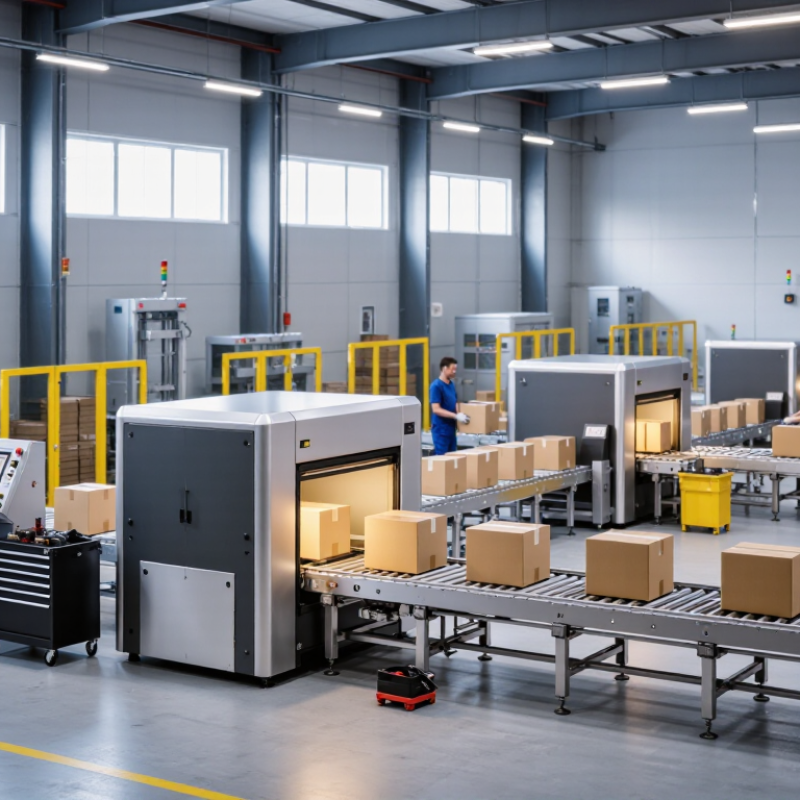
An automatic strapping machine secures cartons or bundles with plastic strap, commonly polypropylene or polyester. A sensor detects the package, then the machine feeds strap around it, pulls it tight, seals the joint, and cuts the strap. Sealing may use heat or friction. Some systems strap one package at a time; others work within a conveyor line. The operator sets strap tension, position, and cycle speed. Small changes matter.
Automation is growing across manufacturing, though broad robotics figures should not be mistaken for strapping-machine sales. The International Federation of Robotics’ World Robotics 2024 report recorded 541,302 industrial robot installations in 2023, with 4,281,585 robots operating worldwide. These figures describe industrial robots, not strapping equipment, but they show the wider shift toward automated production. In practice, a first setup may need adjustment: uneven cartons, slippery surfaces, or excessive tension can affect strap placement and package stability.
Tips: Test with your actual package sizes and weights. Check strap alignment and seal strength before increasing line speed. Keep hands clear of moving parts, and follow the machine’s operating instructions.
7 Best Automatic Strapping Machines for Global Buyers
What automatic strapping machines are and how they work
Automatic strapping machines feed strap around a package, apply tension, seal the strap, and cut it. The right machine depends on the package, required throughput, and strap material.
Typical material density: Polypropylene (PP) is about 0.90–0.91 g/cm³, polyethylene terephthalate (PET) about 1.38–1.40 g/cm³, and steel about 7.85 g/cm³. These approximate material values vary by grade; density alone does not determine strap strength or machine suitability.
Key Types of Automatic Strapping Machines
Automatic strapping machines differ mainly in package flow, load size, and how the strap reaches the carton. For cartons moving on a conveyor, an automatic arch machine feeds strap around each box and seals it in a preset cycle. It suits steady output, especially when cartons have similar dimensions. Small changes matter. Arch opening, conveyor height, and strap width should match the actual line, not just the largest box on a drawing. Some models need an operator to position cartons; others use sensors and conveyors for hands-free transfer.
For pallets or oversized bundles, rotary-arm machines move the strap around a stationary load, while turntable designs rotate the load beneath a fixed strap head. Side-seal units place the mechanism beside the package, which can help when dust collects near floor level. Top-seal configurations keep the head above the load and suit accessible surfaces. These options are not interchangeable. Compare package stability, cycle rate, load weight, and floor space using real samples. Ask for trials with the intended strap and tension settings. A machine may look fast in a brochure, yet pause often when carton heights vary. In practice, not always. Also confirm voltage, guarding, spare-part access, and operator training; overseas commissioning can reveal gaps that a showroom test misses.
Seven Automatic Strapping Machines for Global Buyers
Automatic strapping machines serve different loads and production layouts. An arch strapping machine suits cartons moving along a conveyor. A low-table model accepts heavy packages at floor level. A high-table machine reduces bending when operators feed cartons from standing height. A side-seal machine keeps the strapping head away from dust and debris. A top-seal machine handles broad, flat packages. The right choice depends on load shape, strap path, and available floor space.
For pallet loads, a vertical strapping machine applies bands from top to bottom. A horizontal model wraps around the load’s sides. These seven machine types differ in access, speed, and maintenance needs. Check strap width and material compatibility before ordering. Ask suppliers for a trial using your actual cartons or pallets. A stated cycle rate may not reflect real line performance. No machine is perfect; changeovers and jam recovery matter, too.
Tips: Measure your largest and smallest loads. Confirm power requirements, operator training, spare-part availability, and service support at the destination. Request noise and safety details, then record trial results. Don’t rely on catalogue figures alone.
| No. | Machine Type | Typical Throughput | Common Strap Specifications | Typical Package or Load Fit | Typical Power Supply | Best Suited For | Key Buying Consideration |
|---|---|---|---|---|---|---|---|
| 1 | Automatic arch strapping machine | Approximately 25–60 straps per minute | Polypropylene (PP) strap; commonly 5–15.5 mm wide | Cartons and bundles sized to the selected arch opening; arch dimensions vary by configuration | Typically 220–240 V single-phase or 380–415 V three-phase, depending on the model | General-purpose packaging lines with repeatable carton sizes | Match the arch opening to the largest package and confirm line speed, conveyor height, and required strap tension. |
| 2 | High-speed automatic arch strapping machine | Approximately 50–80 straps per minute in suitable applications | Usually narrow PP strap, commonly 5–12 mm wide | Light to medium cartons or bundles within the specified arch and load limits | Typically 380–415 V three-phase | High-volume production lines where short cycle times are important | Verify that the package feed, strap quality, and upstream conveyor can sustain the rated operating speed. |
| 3 | Automatic side-seal strapping machine | Approximately 20–50 straps per minute, depending on the application | PP strap; commonly 9–15.5 mm wide | Cartons and bundles; sealing components are positioned away from the top strapping surface | Typically 220–240 V single-phase or 380–415 V three-phase | Dusty, humid, or demanding production areas and packages that benefit from side-mounted sealing components | Check access for cleaning and maintenance, as well as package alignment and conveyor integration. |
| 4 | Fully automatic horizontal strapping machine | Typically one or more straps per load cycle; cycle time varies with load size and line layout | PP or polyester (PET) strap; commonly 9–19 mm wide | Large bundles, stacks, and unit loads passed horizontally through a strapping head | Typically 380–415 V three-phase | Lumber, panels, paper products, and other large or stacked loads | Confirm load dimensions, strap position, guarding requirements, and whether automatic load transfer is needed. |
| 5 | Automatic vertical pallet strapping machine | Cycle time depends on pallet size and strap pattern; commonly configured for one or more vertical straps per cycle | Typically PET strap, often 12–19 mm wide; strap choice depends on load and system design | Palletized loads within the frame and conveyor size limits | Typically 380–415 V three-phase | Palletized goods that need vertical restraint during storage or transport | Assess pallet dimensions, load stability, required strap count, and compatibility with pallet conveyors. |
| 6 | Automatic combination strapping and wrapping system | Line throughput varies by pallet size, wrapping program, and strapping sequence | Usually PET strap for pallet restraint; film type and width depend on the wrapping unit | Pallet loads processed through integrated strapping and stretch-wrapping stations | Typically 380–415 V three-phase | Distribution and manufacturing operations seeking a combined pallet-finishing process | Review the complete line layout, cycle balance, film and strap consumables, and service access. |
| 7 | Automatic steel strapping machine for heavy loads | Cycle time is application-specific and generally lower than that of light-carton arch machines | Steel strap; width and thickness must be selected for the load and machine head | Heavy, rigid packages or industrial bundles within the machine’s rated capacity | Typically 380–415 V three-phase; installation requirements vary by configuration | Metal, construction materials, and other demanding heavy-duty applications | Confirm load forces, strap specification, operator guarding, and the availability of qualified local service. |
How to Compare Speed, Strap Compatibility, and Automation
Buyers should compare actual bundles per minute, not headline cycle rates alone. A machine may cycle quickly in a showroom yet slow when cartons vary in size. Ask suppliers to test your own loads, including uneven boxes and a full shift’s workload. Record jams, rethreading, and operator touches during the trial. Small details matter.
Check supported strap width, thickness, and material, such as polypropylene or polyester. Verify coil dimensions, sealing method, and tension range against your packaging specification. A narrower strap may reduce material use, but only if the load remains stable in transit. Do not assume a machine handles every strap type. A short test can reveal a mismatch before installation.
Automation ranges from operator-fed machines to systems linked with conveyors and sensors. Manual feeding may suit mixed, low-volume packing; automatic feeding can reduce repetitive handling on steady lines. Check how quickly settings change between carton sizes and whether operators can clear a jam safely. Higher automation can also bring more setup and maintenance. That trade-off is easy to underestimate. A practical comparison should include staffing, downtime, and service access, not speed alone.
How to Choose a Machine for Your Market and Packaging Needs
Choosing an automatic strapping machine starts with the packages it will handle every day. Measure carton length, width, and height, then check the load’s weight and stability. A narrow box may need precise strap placement, while a tall, uneven stack can shift during feeding. Fit matters.
Match machine speed to actual line output, not an optimistic peak figure. For varied carton sizes or short production runs, adjustable guides and simple controls can save time between jobs. A fixed, high-speed system may suit steady output, but it can be excessive for a smaller packing area. That assumption can be wrong.
Check that the machine works with the strap width and material your operation can reliably source. Confirm local voltage, available floor space, and whether operators can reach routine adjustment points safely. Ask about setup, spare-part access, and remote or on-site technical support in your region. Small details count. A short trial with your own cartons can reveal slipping straps, awkward loading, or misplaced seals before purchase. I would also compare daily maintenance needs, not just the quoted speed. In real production, a machine that is easier to keep running may be the better fit.
Related Posts
-
What Is an Automatic Strapping Machine and How Does It Work?
-
Top 10 Semi Automatic Strapping Machines for Businesses?
-
How to Choose the Right Plastic Strapping Machine?
-
Top 10 Automatic Shrink Wrap Machines for Global Buyers
-
Why Choose a Plastic Wrapping Machine for Your Packaging Needs?
-
Top Air Cushion Machine Suppliers in China for Global Buyers?