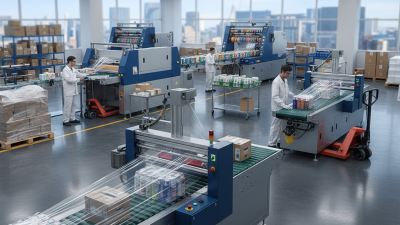




Top 10 Automatic Shrink Wrap Machines for Global Buyers
Global packaging is becoming faster, more automated, and more demanding. Buyers now compare machines by output, film savings, sealing stability, safety, and after-sales support.
Smithers’ The Future of Global Packaging to 2028 identifies automation, material efficiency, and production flexibility as major packaging priorities. PMMI’s recent packaging machinery reports also emphasize labor shortages, connected equipment, and the need for measurable productivity. These trends explain why an automatic shrink wrap machine is becoming essential for food, beverage, consumer goods, logistics, and industrial packaging lines.
The right machine does more than wrap products. It controls film tension, keeps seals consistent, and reduces loose edges around cartons. A well-tuned system can run repeatedly beside a conveyor, producing tight packages with fewer manual adjustments. Small details matter.
Jorge Izquierdo, Vice President of Market Development at PMMI, has noted, “Automation should solve a production challenge, not simply add technology.” That principle deserves attention from global buyers. A machine with impressive speed may still disappoint if spare parts are unavailable, electrical standards differ, or operators need complicated training.
This guide reviews ten automatic shrink wrap machine options for international purchasing decisions. It considers sealing format, packaging speed, film compatibility, footprint, energy use, controls, maintenance, and supplier support. The ranking is not absolute. Factory conditions vary, sometimes sharply.
Buyers should verify performance with their own products, film, carton sizes, and line speeds. A live sample test remains more convincing than a brochure. This introduction also recognizes an uncomfortable point: published market forecasts can differ, and machine specifications do not always reflect real operating conditions. Careful validation is still necessary.
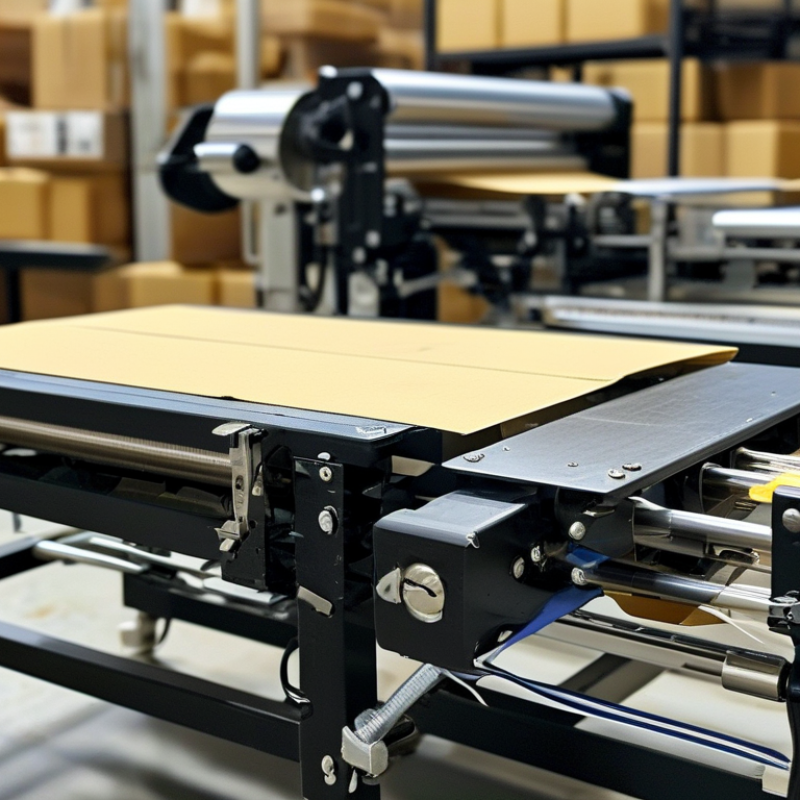
What Automatic Shrink Wrap Machines Are and How They Work
Automatic shrink wrap machines enclose products with heat-sensitive plastic film. The machine feeds film from a roll, guides the product through it, and seals the edges. A heated tunnel then contracts the film around the package. Temperature, airflow, and conveyor speed control the final fit.
PMMI’s 2023 Packaging Machinery Economic Report recorded approximately $10.2 billion in U.S. packaging machinery shipments in 2022. This figure reflects strong investment in automated packaging, especially where labor consistency matters. In practical operation, photoelectric sensors detect product spacing, while programmable controls adjust sealing and tunnel timing. A well-tuned system can produce tight bundles without crushing cartons or distorting labels.
Machine selection requires more than reading speed claims. Film thickness, package dimensions, seal-bar width, and heat sensitivity must match the application. Operators should inspect loose seals, burnt film, and uneven shrink marks during trial runs. Small defects reveal larger setup problems. PMMI also identifies labor availability and flexible packaging formats as continuing automation drivers. Still, automation is not effortless. Poor calibration wastes film, energy, and time. That weakness is often overlooked.
Key Machine Types and Their Best Packaging Applications
Automatic shrink wrap machines differ by product shape, film use, and required speed. L-bar sealers suit cartons, trays, and mixed retail packs. They cut and seal film around a product before it enters a heat tunnel. Side-seal systems handle long products and continuous production more smoothly. According to Smithers’ The Future of Global Packaging to 2028, packaging demand continues to grow across food, household goods, and industrial sectors. That growth rewards flexible machine selection.
For small cartons, an automatic chamber system can reduce manual handling and keep seals consistent. Bundling machines work better for bottled products, multipacks, and promotional groups. A shrink tunnel then applies controlled heat, creating a tight, clear finish. PMMI reports that labor availability and automation remain major packaging investment drivers. However, speed alone can mislead buyers. A fast machine may waste film when product sizes change frequently.
I recommend testing real products, not sample boxes. Measure sealing quality, film tension, tunnel temperature, and changeover time. Consider local voltage, spare-part access, operator training, and cleaning routines. The best machine depends on the application. One overlooked issue is airflow. Uneven heat can leave wrinkles around corners or damage sensitive packaging. My practical preference is a system with adjustable conveyors and independent temperature zones. It costs more initially, but usually gives operators better control. Mistakes still happen. A careful factory trial exposes them early. (Grand View Research, Shrink Films Market Report, 2024; PMMI, The State of the Industry Report, 2024)
How to Evaluate the Top 10 Machines for Global Purchasing
When evaluating the top 10 automatic shrink wrap machines, global buyers should compare operating results, not impressive product photos. I begin with product dimensions, film type, sealing width, and required output per hour. A machine handling 25 packages per minute may not suit a factory needing 45. Test real products, including irregular cartons and soft packages. Small details matter.
Electrical compatibility deserves careful attention. Check voltage, frequency, plug standards, and motor protection before requesting a quotation. Confirm whether the machine supports recyclable or thinner films without weak seals. Measure tunnel temperature stability with a calibrated instrument.
Ask for sealing tests, energy data, installation drawings, and user manuals in clear English. Reliable suppliers should explain spare-part availability, remote support, training, and response times. Documentation is evidence.
Total ownership cost can change the ranking. Include film waste, heating energy, maintenance labor, replacement blades, and shipping requirements. A lower purchase price may hide expensive downtime. I once focused too heavily on speed and underestimated changeover time. That was a poor judgment. Now, I record how long operators need to adjust film guides and clean the sealing area. Safety guards, emergency stops, and accessible controls should also be verified against the buyer’s local requirements. No machine wins every test. A practical scorecard covering productivity, safety, service, compatibility, and five-year cost creates a more dependable purchasing decision.
Essential Features, Specifications, and Compliance Standards
Top 10 Automatic Shrink Wrap Machines for Global Buyers
When comparing automatic shrink wrap machines, buyers should examine output, film control, and operator safety together. A practical specification sheet should show package dimensions, sealing width, film thickness, cycle speed, tunnel temperature, and power requirements. A machine rated for 20–35 packs per minute may slow with irregular products. Test real samples, not only empty cartons. That detail matters.
Reliable systems use photoelectric sensors, adjustable conveyor height, emergency stops, and guarded sealing areas. Temperature controllers should maintain stable heat, while variable-speed conveyors reduce film waste. Check whether the machine accepts common polyolefin, polyethylene, or PVC films. Film compatibility affects seal strength and operating cost. Stainless steel contact surfaces help in clean production areas, but they do not replace proper sanitation procedures. Small controls matter.
Compliance depends on the destination market and machine configuration. European shipments commonly require CE conformity, a technical file, risk assessment, and relevant machinery, electrical, and electromagnetic compatibility requirements. UK shipments may require UKCA arrangements. North American buyers should verify applicable electrical and workplace safety requirements, including recognized testing where requested. ISO 12100 supports machinery risk assessment, while IEC 60204-1 addresses electrical equipment. Documents must match the delivered model.
Ask for wiring diagrams, manuals, spare-parts lists, and factory acceptance test records. Insist on language support. Good documentation reduces commissioning mistakes. Yet specifications can be optimistic. Leave capacity margin for film changes, product variation, and maintenance downtime. Fancy automation is not always better. A simpler machine may prove more dependable in a smaller facility.
Top 10 Automatic Shrink Wrap Machines for Global Buyers - Essential Features, Specifications, and Compliance Standards
| No. | Machine Configuration | Recommended Applications | Maximum Product Size (L × W × H) |
Maximum Film Width | Typical Output | Sealing Method | Film Compatibility | Electrical Specification | Tunnel / Heating System | Key Automation Features | Applicable Compliance Frameworks |
|---|---|---|---|---|---|---|---|---|---|---|---|
| 1 | Automatic L-Bar Sealer with Shrink Tunnel | Cartons, retail multipacks, stationery, household products | 550 × 400 × 250 mm | 550 mm | 15–25 packs/min | Impulse or constant-heat L-bar | PE, POF, PVC | 220–240 V, 3-phase, 50/60 Hz | Electric tunnel; adjustable temperature and conveyor speed | Automatic film feeding, product detection, emergency stop, digital temperature control | ISO 12100, IEC 60204-1, ISO 13849-1, applicable CE or local machinery requirements |
| 2 | Continuous Side-Seal Shrink Wrapper | High-volume boxes, printed materials, consumer goods | 600 × 450 × 300 mm | 650 mm | 30–60 packs/min | Continuous hot-knife side seal | POF, PE, recyclable polyolefin films | 380–415 V, 3-phase, 50 Hz; regional variants available | Forced-air tunnel with multiple heating zones | Servo-driven film control, automatic centering, variable-speed conveyor, film-break sensor | ISO 12100, IEC 60204-1, ISO 13849-1, EN 415-5 where applicable, applicable CE or local requirements |
| 3 | Automatic Sleeve Wrapper with Shrink Tunnel | Beverage bundles, cans, bottles, promotional multipacks | 700 × 500 × 350 mm | 700 mm | 10–25 bundles/min | Hot-knife sleeve sealing | PE shrink film, center-fold polyolefin film | 380–415 V, 3-phase, 50 Hz | Gas or electric tunnel; insulated panels and adjustable airflow | Automatic collation, no-product/no-film logic, recipe storage, servo timing control | ISO 12100, IEC 60204-1, ISO 13849-1, relevant electrical and guarding standards |
| 4 | Automatic Bundling Shrink Wrapper | Water bottles, cans, food trays, industrial multipacks | 900 × 600 × 400 mm | 900 mm | 8–18 bundles/min | Continuous side seal or sleeve seal | PE, recyclable PE, high-strength shrink film | 380–480 V, 3-phase, 50/60 Hz | Heavy-duty electric or gas-assisted tunnel | Automatic product grouping, adjustable lug spacing, overload protection, discharge conveyor | ISO 12100, IEC 60204-1, ISO 13849-1, machine guarding and thermal safety requirements |
| 5 | Automatic Chamber-Type Shrink Wrapper | Small cartons, cosmetics, medical packs, e-commerce products | 450 × 350 × 200 mm | 500 mm | 8–15 packs/min | Integrated impulse sealing | POF, PVC, PE films within rated thickness | 220–240 V, single-phase, 50/60 Hz | Compact recirculating hot-air chamber | Automatic chamber closing, sealing-time adjustment, perforation control, cycle counter | IEC 60204-1, ISO 12100, ISO 13849-1, applicable low-voltage and electromagnetic-compatibility requirements |
| 6 | Automatic PE Film Shrink Bundler | Heavy cartons, construction materials, timber packs, industrial components | 1,200 × 800 × 600 mm | 1,200 mm | 4–10 bundles/min | Heavy-duty side seal or bottom seal | PE shrink film, 50–150 microns typical | 380–480 V, 3-phase, 50/60 Hz | Large-format electric tunnel or gas tunnel | Reinforced conveyor, automatic film tensioning, height adjustment, overload monitoring | ISO 12100, IEC 60204-1, ISO 13849-1, applicable pressure, gas, electrical, and guarding rules |
| 7 | Automatic Shrink Wrapper with Infeed Conveyor | Integrated production lines, packaged foods, personal-care products | 800 × 500 × 350 mm | 800 mm | 20–45 packs/min | Continuous side seal | POF and PE shrink films | 380–415 V, 3-phase, 50 Hz | Multi-zone electric tunnel with variable airflow | Photoelectric sensors, line synchronization, PLC control, automatic speed matching | ISO 12100, IEC 60204-1, ISO 13849-1, IEC 61000 series for EMC where applicable |
| 8 | Automatic Horizontal Shrink Flow Wrapper | Bakery items, hardware kits, books, flat consumer products | 500 × 300 × 150 mm | 600 mm | 30–80 packs/min | Longitudinal fin seal with end-seal jaws | POF, PE, laminated shrink films | 220–240 V or 380–415 V, 3-phase, 50/60 Hz | Optional compact shrink tunnel with adjustable airflow | Servo film registration, touchscreen recipes, automatic product spacing, jaw overload protection | ISO 12100, IEC 60204-1, ISO 13849-1, applicable food-contact packaging requirements when relevant |
| 9 | Automatic Dual-Chamber Shrink Packaging Line | Mixed product sizes, contract packaging, export packing operations | 900 × 600 × 400 mm | 1,000 mm | 12–30 packs/min | Automatic L-seal or side-seal configuration | POF, PE, PVC where permitted by local regulations | 380–480 V, 3-phase, 50/60 Hz | Two-zone tunnel with independent temperature control | Automatic format changeover, recipe management, fault diagnostics, conveyor synchronization | ISO 12100, IEC 60204-1, ISO 13849-1, applicable CE, UKCA, or other destination-market requirements |
| 10 | Automatic Robotic Shrink-Wrapping Cell | Palletized goods, irregular products, customized end-of-line packaging | 1,400 × 1,000 × 800 mm | 1,600 mm | 3–12 loads/min | Robotic film application or automatic hooding | PE stretch-shrink film and heavy-duty shrink hood film | 380–480 V, 3-phase, 50/60 Hz; compressed air may be required | Optional hot-air shrink station with guarded access | Robotic handling, barcode or vision verification, pallet detection, safety scanners, remote diagnostics | ISO 10218-1/-2, ISO/TS 15066 where collaborative operation applies, ISO 12100, IEC 60204-1, ISO 13849-1 |
Specifications are representative engineering ranges for equipment selection. Final capacity, electrical rating, film type, and certification status should be confirmed against the actual product, installation environment, and destination-market regulations.
Installation, Operation, Maintenance, and Buyer Considerations
Automatic shrink wrap equipment rewards disciplined setup more than impressive speed. The Packaging Machinery Manufacturers Institute reported US packaging machinery shipments of about $10.2 billion in 2022. That scale reflects continuing investment in automated packaging. Installation begins with a level floor, adequate ventilation, correct electrical supply, and safe film clearance. Leave service space around heaters and sealing jaws. A perfect layout rarely survives the first production shift. Measure actual access, not only the drawing.
During operation, operators should verify film tension, product spacing, seal temperature, conveyor speed, and tunnel airflow. Change one setting at a time. This makes faults traceable. The International Federation of Robotics recorded 541,302 industrial robots installed worldwide in 2023. Automation is growing, but it does not replace judgment. Wrinkled film may indicate poor alignment, excessive heat, or unsuitable film thickness. Check the cause before increasing temperature. That shortcut wastes film and can weaken seals.
Maintenance needs a written schedule. Inspect sealing wires, PTFE-coated surfaces, rollers, sensors, guards, and emergency stops each shift. Clean heater chambers only after cooling and energy isolation. Keep spare sensors and sealing components available. Buyer comparisons should include total cost, real product output, changeover time, energy use, training, documentation, and local service response. Smithers projects the global packaging market will approach 1.2 trillion dollars by 2028, increasing pressure for reliable uptime. Yet buyers sometimes overvalue maximum speed. A slower machine with stable seals may deliver better economics. That deserves a second look.
Top 10 Automatic Shrink Wrap Machines for Global Buyers
Installation, operation, maintenance, and buyer considerations
Confirm floor space, electrical voltage, compressed-air requirements, tunnel ventilation, and line clearance before delivery.
Select equipment according to product dimensions, film type, sealing temperature, conveyor speed, and required packs per minute.
Regularly inspect sealing elements, belts, rollers, sensors, heating components, and film-guiding systems.
Compare actual throughput, changeover time, energy consumption, safety features, spare-parts availability, and after-sales support.
Throughput values are representative nominal benchmarks for commonly specified automatic shrink-wrapping configurations. Actual performance depends on product size, film material, pack pattern, operator settings, and line layout.
Related Posts
-
2026 Best Shrink Wrap Machine Reviews and Buying Guide?
-
What is a plastic wrapping machine and how does it work?
-
Top 10 Used Pallet Wrapping Machines for Global Buyers?
-

Why Choose a Shrink Wrap Machine for Your Packaging Needs?
-
Best Air Cushion Machine for Optimal Packaging Efficiency and Cost Savings
-
Why Choose a Bagging Machine for Global Sourcing?