



What Is an Automatic Strapping Machine and How Does It Work?
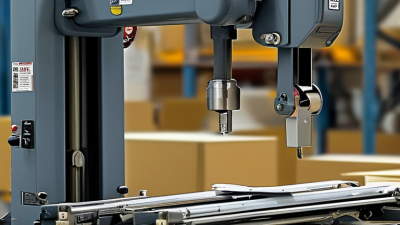
An automatic strapping machine applies plastic or steel strap around products, bundles, and pallets with limited operator involvement. It feeds the strap, tensions it, seals or welds the joint, and cuts the remaining material. The cycle may take only a few seconds. Picture a carton arriving on a conveyor, stopping briefly, and leaving secured with a tight, even band.
This equipment matters because packaging operations face rising output demands and persistent labor pressure. The International Federation of Robotics reported 541,302 industrial robots installed worldwide in 2023, showing the broader movement toward automated production. PMMI’s State of the Industry reports also identify labor availability and operational efficiency as important drivers for packaging automation. An automatic strapping machine supports this shift by delivering repeatable tension, consistent sealing, and fewer manual handling steps.
However, automation is not a magic solution. Machine performance depends on strap quality, package dimensions, conveyor alignment, and correct tension settings. A poorly adjusted unit can crush fragile cartons or leave loads unstable. That detail is easy to overlook.
This guide explains what an automatic strapping machine is, how its feeding and tensioning systems work, and where it fits in modern packaging lines. It also considers maintenance, safety, energy use, and total operating cost. Data from manufacturers and industry reports can guide decisions, but real production trials remain essential. A machine that performs well in a brochure may behave differently beside dust, vibration, and uneven cartons. That practical gap deserves attention.
What Is an Automatic Strapping Machine?
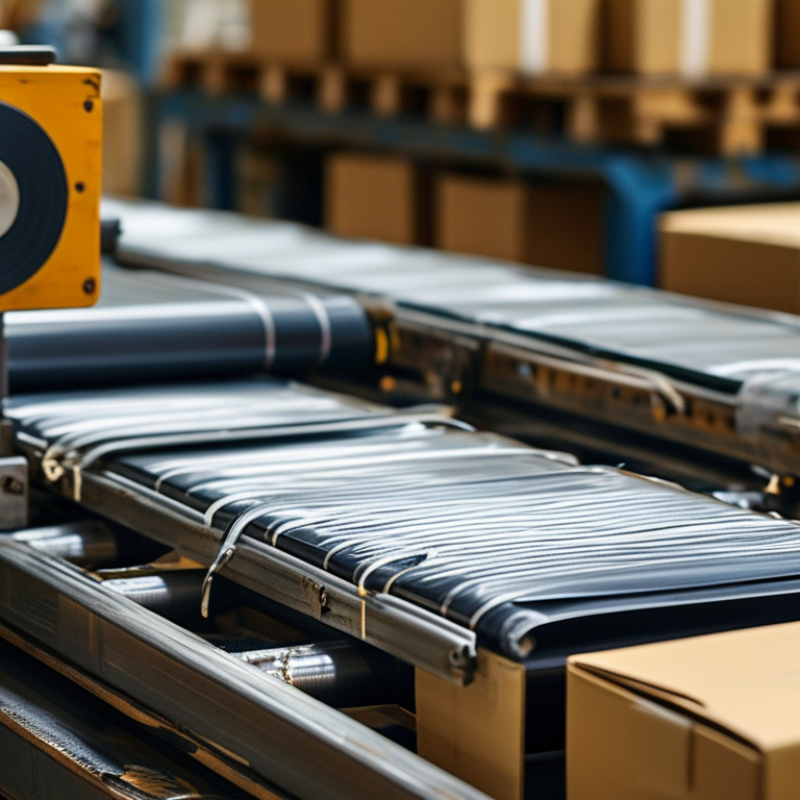
An automatic strapping machine is packaging equipment that secures cartons, bundles, or pallets with plastic strap. It reduces manual tying and creates consistent tension around each load. In practical use, the machine usually includes a strap dispenser, feeding channel, tensioning unit, sealing head, and control panel. Some models also use sensors to detect package position. It is not simply a faster hand tool. It is a coordinated system.
After an operator places a package in the strapping area, sensors can trigger the operating cycle. The strap feeds around the package and returns to the sealing head. The machine tightens the strap to a preset level. It then seals the joint and cuts away the excess material. The completed package can leave the working area immediately, depending on the conveyor design. Settings must match the package size, strap type, and load strength. Excessive tension may crush soft cartons. Insufficient tension may allow movement during handling. Even dependable equipment can produce poor results when the strap path becomes dirty or misaligned.
Tips: Keep the feeding channel free from dust and loose strap pieces. Check the seal regularly, especially after changing strap material. Test several packages before full production begins. Operators should also watch unusual noise, uneven tension, or repeated feeding errors. Small warnings matter. One detail is easy to overlook: a machine can run smoothly while its settings are already unsuitable for the product.
What Are the Main Components of an Automatic Strapping Machine?
An automatic strapping machine secures cartons with plastic strap and little operator handling. Its main components work as one coordinated system. The strap dispenser holds a reel and feeds material through guided rollers. A powered tensioning unit then pulls the strap tightly around the package. Tension must match the carton. Too much force can crush corners.
The arch or strapping frame guides the strap around the load. A sealing head joins the strap by heat welding or friction welding. It also cuts the remaining tail. A conveyor moves cartons into position, while photoelectric sensors detect their size and location. The control panel and programmable controller coordinate these actions. Motors, belts, and pneumatic parts support movement and compression. Protective guards help prevent contact with moving mechanisms.
Small details matter. A dusty sensor may stop the cycle unexpectedly. A worn roller can create uneven tension. Operators should inspect strap paths, clean sensors, and check weld strength during production. In practice, settings are rarely perfect on the first attempt. Different carton surfaces react differently. This is easy to underestimate. Test packages provide useful evidence before full operation. The machine may appear simple, yet reliable performance depends on alignment, maintenance, and accurate adjustment.
What Is an Automatic Strapping Machine and How Does It Work? - What Are the Main Components of an Automatic Strapping Machine?
| Component or System | Primary Function | How It Works | Typical Materials or Specifications | Maintenance Considerations |
|---|---|---|---|---|
| Strap Dispenser and Coil Holder | Stores and feeds the strap into the machine. | A rotating reel unwinds the strap while a guide keeps it aligned and prevents tangling. | Commonly used with polypropylene or polyester strap; strap widths are often about 5–16 mm, depending on machine design. | Check reel alignment, remove loose strap fragments, and inspect the guide rollers for wear. |
| Strap Feed and Return System | Moves the strap around the package and returns the free end to the sealing area. | Powered rollers or belts advance the strap through channels, around the load, and back to the tensioning mechanism. | Uses driven rollers, guide channels, sensors, and adjustable feed controls. | Clean dust and debris from the feed path and verify that rollers maintain consistent traction. |
| Strap Guides and Arch | Directs the strap around the product or pallet in the correct position. | The strap travels through a fixed or adjustable arch that surrounds the load before being pulled tight. | Typically fabricated from painted or stainless steel; arch dimensions are selected according to package size. | Inspect channel joints and guide surfaces for obstruction, bending, or excessive abrasion. |
| Tensioning Unit | Tightens the strap around the package to secure the load. | A motor-driven wheel or belt pulls the strap until the preset tension is reached, then stops or reduces speed. | Tension is adjustable to suit the strap type and package strength; excessive tension can damage fragile goods. | Keep the tension wheel clean and calibrate the tension setting when strap slippage or inconsistent tightness occurs. |
| Sealing and Cutting Head | Joins the overlapping strap ends and cuts away the excess strap. | Depending on the strap material, the mechanism uses heat sealing, friction welding, or another approved joining method before cutting the tail. | Polypropylene strap is commonly sealed by heat or friction; polyester strap is often joined by friction welding. | Remove melted residue, inspect the cutter blade, and verify seal strength at regular intervals. |
| Package Support Table or Conveyor | Supports and positions the package during the strapping cycle. | A flat table, powered conveyor, or roller conveyor holds the load steady while the strap is applied. | May include steel rollers, powered belts, guide rails, and adjustable stops for different package sizes. | Keep the surface level, remove packaging debris, and check rollers or belts for smooth movement. |
| Sensors and Detection Devices | Detects package presence, strap position, and operating conditions. | Photoelectric, proximity, or limit sensors send signals to the controller so the machine can start, stop, and confirm each step. | Typical detection functions include package positioning, strap break detection, arch position, and end-of-strap monitoring. | Clean sensor lenses and confirm alignment; dust or misalignment can cause false readings. |
| Control Panel and Controller | Controls the operating sequence and allows the operator to adjust settings. | A programmable controller coordinates feeding, tensioning, sealing, cutting, and reset functions according to sensor inputs. | Usually includes push buttons or a touch interface for cycle start, strap tension, heating or welding time, and fault messages. | Protect electrical components from moisture and review fault codes before restarting the machine. |
| Drive Motors and Transmission | Provides mechanical power for feeding, tensioning, conveyors, and other moving parts. | Electric motors transfer torque through gears, belts, chains, or direct-drive assemblies. | Motor capacity varies with machine size, cycle rate, package weight, and required tension. | Check unusual noise, vibration, belt tension, gear wear, and motor temperature. |
| Safety Guards and Emergency Controls | Protects operators from moving parts, hot sealing areas, and unexpected machine motion. | Guards, interlocks, emergency-stop buttons, and safety switches interrupt operation when an unsafe condition is detected. | Commonly includes transparent guarding, emergency-stop controls, protective covers, and reset circuits. | Test emergency stops and interlocks routinely; never bypass safety devices during operation. |
Typical operating sequence: package detection → strap feeding → strap positioning → tensioning → sealing or welding → strap cutting → machine reset and package discharge.
How Does the Automatic Strapping Process Work?
An automatic strapping machine secures cartons, bundles, or pallet loads with plastic strap. Its cycle begins when a package reaches the strapping position. A conveyor, guide, or operator places it beneath the machine’s arch. Sensors detect the load and confirm its position. Some systems also check package height and alignment.
The automatic strapping process follows a controlled sequence. The machine feeds strap from a coil through guide channels and around the package. The strap then returns to the sealing head. A tensioning motor pulls it tightly against the load. This pressure helps reduce movement during handling. The sealing unit joins the overlapping strap ends through heat sealing or friction welding. It cuts away the extra material and resets the strap path for the next cycle.
The cycle is fast.
In practical operation, results depend on more than machine speed. Strap width, surface condition, package shape, and tension settings all affect seal strength. A dusty carton may reduce grip. An uneven load can cause weak positioning. Regular checks should include strap feeding, seal appearance, sensor response, and emergency stops. Operators should also verify that tension does not crush fragile contents. The process is reliable, but not perfect. A poorly adjusted guide can create wrinkles, while excessive tension may damage the package. Small trials with real loads often reveal problems that a manual inspection misses.
What Is an Automatic Strapping Machine and How Does It Work?
An automatic strapping machine secures a package by feeding plastic strap around the load, tensioning it, heat-sealing the joint, cutting the strap, and returning to its ready position.
How Does the Automatic Strapping Process Work?
The chart shows a representative high-speed cycle totaling about 3 seconds. The package is positioned first, after which the strap is fed through the machine, tightened around the load, heat-sealed, cut, and reset for the next cycle. Actual cycle time depends on package size, strap material, conveyor speed, and machine settings.
Which Strap Materials and Packages Are Compatible?
An automatic strapping machine wraps a strap around a package, tightens it, seals it, and cuts it with limited operator input. In daily production, compatibility depends on more than strap width. The machine must match the strap material, thickness, coil dimensions, and required tension.
Polypropylene strap suits light cartons, printed boxes, and grouped products. It is flexible and economical, but excessive tension can stretch or split it.
Polyester strap handles heavier cartons and pallet loads. It offers stronger recovery and better resistance to impact.
Steel strap may fit only machines designed for metal strapping, so it should never be assumed compatible.
Package shape matters too. Automatic units commonly handle regular cartons, bundles, trays, and selected pallet loads. Flat, stable surfaces help the strap travel smoothly. Uneven packages may need guides, corner protection, or a different machine frame.
The strap coil must also fit the dispenser core and maximum outer diameter. A small mismatch can cause feeding faults, even when the material seems correct. Real production tests remain essential. Specifications can overlook dust, humidity, sharp edges, or unstable products.
Tips: Confirm strap width and thickness before ordering. Check the core size and sealing method. Run sample packages at the intended tension. Watch for strap twisting, weak seals, and crushed corners. If the package changes later, retest the settings. That step is easy to skip. It often prevents expensive interruptions.
What Are the Main Applications and Benefits?
Automatic strapping machines secure cartons, pallets, and bundled products with plastic or steel straps. They detect a load, position the strap, tension it, seal the joint, and cut the material. The cycle can take only a few seconds.
Their main applications include beverage cases, appliance cartons, building materials, and warehouse shipments. In distribution centers, consistent tension helps prevent shifting during forklift movement and long-distance transport. Packaging lines also use them after filling, labeling, or palletizing. According to PMMI’s 2024 State of the Industry report, U.S. packaging machinery shipments exceeded 10 billion dollars in 2023. This investment reflects continued demand for faster and more repeatable packaging operations.
The benefits are practical. Automatic strapping reduces repetitive hand movement, improves bundle consistency, and supports higher output with fewer interruptions. The International Federation of Robotics reported 541,302 industrial robots installed worldwide in 2023, showing how strongly manufacturers are adopting automation. Yet automation is not automatically efficient. Incorrect tension can crush cartons, while poor alignment may create unstable loads. Operators still need training, routine inspection, and careful material selection. In my experience, the best results come from matching strap width, tension, and cycle speed to the product, rather than simply choosing the fastest setting.
Related Posts
-
2026 Best Semi Automatic Strapping Machine for Global Buyers?
-

Top Banding Machine Types for Efficient Packaging Solutions?
-
Best Banding Machines for Efficient Packaging Solutions?
-
Top 10 Plastic Banding Machines for Global Buyers in 2026?
-
2026 Best Box Strapping Machine Reviews and Buying Guide?
-
China Top Automatic Strapping Machine for Global Buyers?