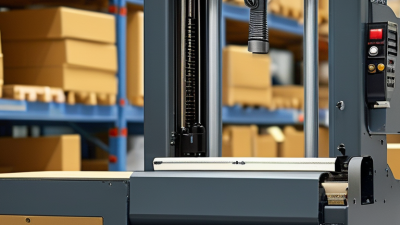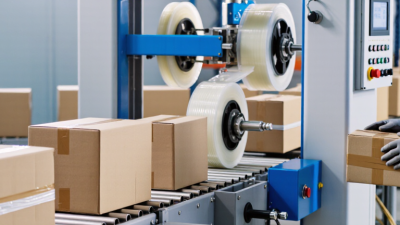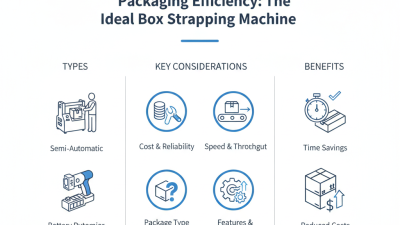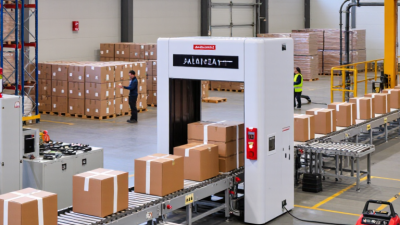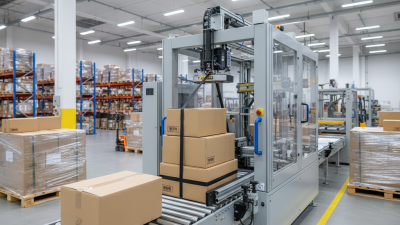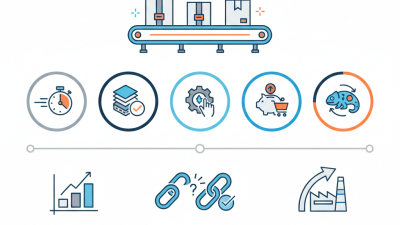




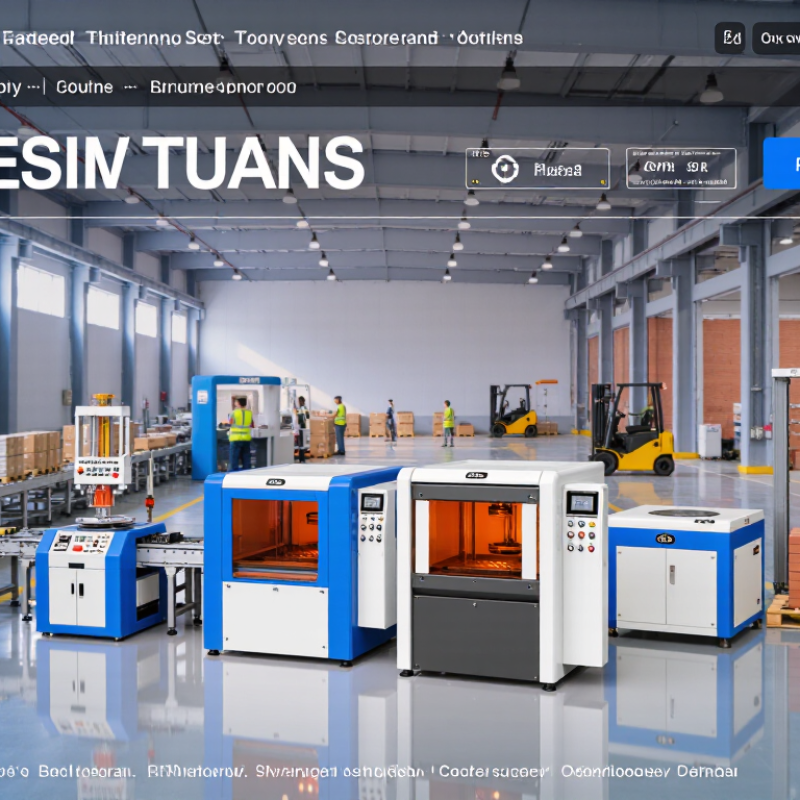
China’s top ten plastic strapping machine manufacturers reflect a broad manufacturing base. Their profiles differ by automation depth, material compatibility, and export experience.
Several focus on PP strapping for cartons and light pallets. Others engineer PET systems for heavier loads and longer transport routes. Many combine heating heads, tension controls, conveyors, and programmable logic controllers in one production line.
Market data supports this demand. Grand View Research estimates the global strapping machine market will expand at a steady compound annual growth rate through 2030.
Smithers also reports continued investment in automated packaging, driven by labor shortages and higher throughput targets.
These trends explain why Chinese suppliers increasingly offer servo-driven feeding, automatic film detection, and remote fault alerts. Some factories now test machines with repeated tension cycles before shipment. That detail matters when a line runs eight hours daily.
The ten profiles also reveal uneven strengths.
Some manufacturers provide strong engineering customization, while others compete mainly through shorter delivery times. A few have better documentation and overseas service networks. That difference is easy to overlook.
Buyers should inspect motor specifications, sealing temperature stability, spare-part availability, and compliance records. Factory videos are useful, but they are not proof of long-term reliability.
Independent testing and customer references remain necessary. This is where many comparisons become imperfect, including this one. Data can describe market direction, but it cannot replace a machine trial under real carton weight, humidity, and production speed.