Top 10 Used Pallet Wrapping Machines for Global Buyers?
In the competitive landscape of logistics and supply chain management, used pallet wrapping machines are increasingly in demand. According to a recent market analysis by Grand View Research, the global pallet wrapping machine market is expected to grow significantly, with a CAGR of over 5% from 2021 to 2028. This trend stems from the need for efficient and effective packaging solutions among manufacturers and retailers.
Industry expert John Thompson notes, "Investing in used pallet wrapping machines often provides the same efficiency at a fraction of the cost." Such machines not only enhance productivity but also offer environmental benefits by promoting reuse. Buyers must consider factors such as machine condition, warranty options, and the availability of replacement parts when choosing a used pallet wrapping machine.
While numerous options exist in the market, it is essential to assess specific needs and supplier reliability. Some machines may not perform optimally, requiring further evaluation. As the demand continues to rise, understanding the nuances of used pallet wrapping machines will ensure informed buying decisions for global clients.
Top Features to Consider When Choosing a Pallet Wrapping Machine
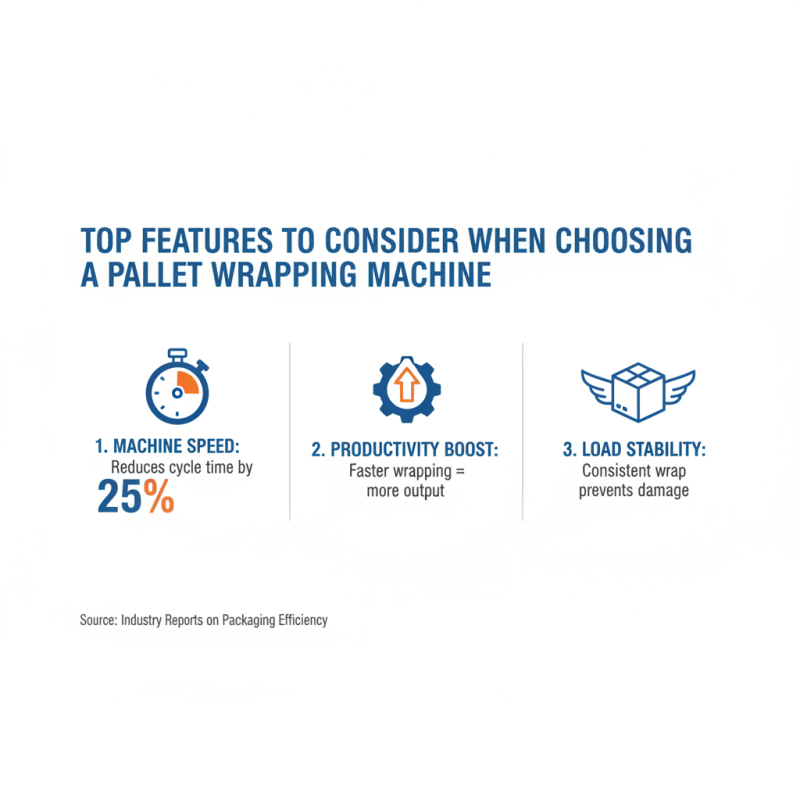
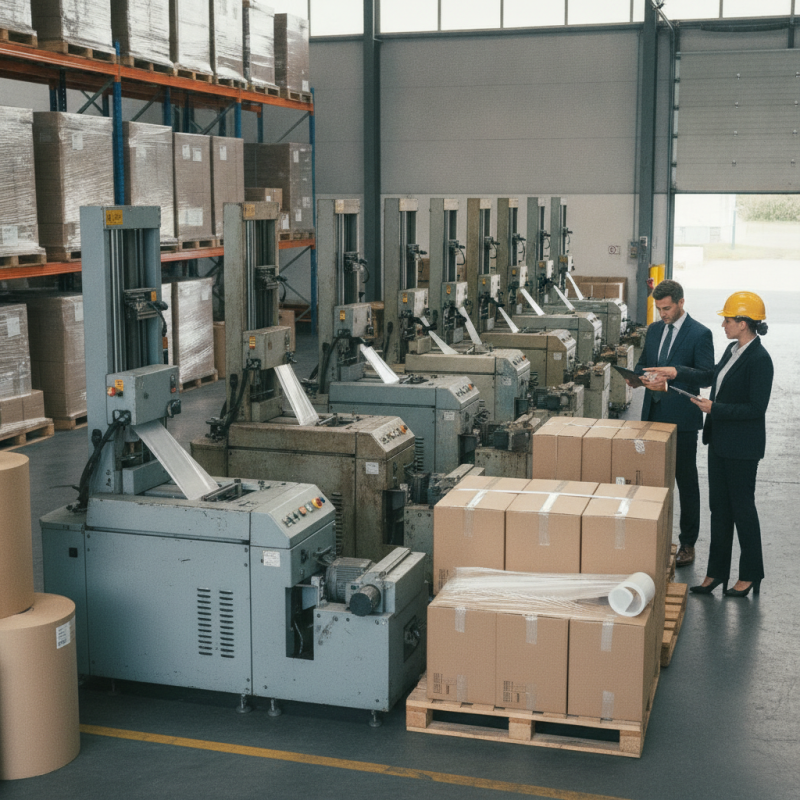
When selecting a pallet wrapping machine, several key features can greatly influence efficiency. One of the most critical factors is the machine's speed. According to industry reports, machines with higher wrapping speeds can significantly reduce cycle time and improve productivity by 25%. Fast and consistent wrapping ensures stability during transport, minimizing the risks of product damage.
Another aspect to consider is the type of wrapping film used. Stretch film can vary in thickness and elasticity. Research indicates that using high-quality film can lead to a 30% reduction in material costs. Additionally, machines with automatic film cutting mechanisms help to prevent wastage. This precision is essential, as material costs can pile up over time.
Furthermore, adaptability is crucial. Many facilities need machines that can handle various pallet sizes and weights. A flexible machine offers adjustments that cater to different load dimensions. Yet, not all machines boast this capability uniformly, leading to potential bottlenecks in operations. Also, consider the ease of maintenance. Machines that require frequent servicing can disrupt workflow, creating reflection points for improvements in operational efficiency.
Market Trends: Growth of Pallet Wrapping Machines in Global Logistics
The growth of pallet wrapping machines in global logistics reflects a significant trend in the industry. According to recent market reports, the global pallet wrapping machine market is expected to reach $2.5 billion by 2027, growing at a CAGR of 5.8%. This uptick is driven by increased demand for efficient packaging solutions in various sectors, especially in e-commerce and food distribution.
Businesses are increasingly adopting automated wrapping solutions to boost productivity. A well-optimized pallet wrapping process can reduce packaging time by up to 25%. However, many companies still struggle with outdated machinery that hampers efficiency. Some reports suggest that 40% of logistics companies face challenges in keeping up with advancements in packaging technology. Adapting to automation becomes crucial, yet many are hesitant due to high initial investment costs.
The sustainability aspect also plays a key role. About 30% of the market demand is now tied to eco-friendly packaging solutions. This shift towards sustainable practices is vital but often poses a challenge. Companies face the dilemma of balancing cost and environmental impact. The industry needs to reflect on how to integrate green practices without sacrificing efficiency. The evolution of pallet wrapping machines highlights both opportunities and fundamental challenges.
Top 10 Used Pallet Wrapping Machines for Global Buyers
This chart illustrates the market share of the top 10 used pallet wrapping machines among global buyers based on their features and pricing. The data here reflects current market trends and buyer preferences in logistics.
Comparison of Semi-Automatic vs. Automatic Pallet Wrapping Machines
When choosing between semi-automatic and automatic pallet wrapping machines, understanding their differences is crucial. Semi-automatic machines require human intervention to load and unload pallets, making them more manual and time-consuming. Research indicates that businesses using semi-automatic systems could see productivity improvements of 20-30% with efficient operations. However, their initial cost is generally lower than automatic options.
On the other hand, automatic pallet wrapping machines operate independently. They handle wrapping with minimal human involvement. Data from industry reports suggest that automatic machines can increase throughput by as much as 50% compared to semi-automatic systems. They are ideal for high-volume operations where speed and consistency are paramount. However, they require a higher upfront investment and may involve more complex maintenance.
Tips: Assess your volume requirements before choosing a machine. A semi-automatic option may suffice for smaller operations. However, for large-scale needs, an automatic machine will likely lead to long-term savings. Also, consider the ergonomic benefits. Reducing manual handling can help minimize workplace injuries.
Investing in the right pallet wrapping machine can significantly impact efficiency. It's essential to reflect on your production pace and labor availability. While automatics offer efficiency, they may complicate training and maintenance. Balancing these factors will guide you to the best decision.
Key Manufacturers and Their Market Share in the Pallet Wrapping Industry
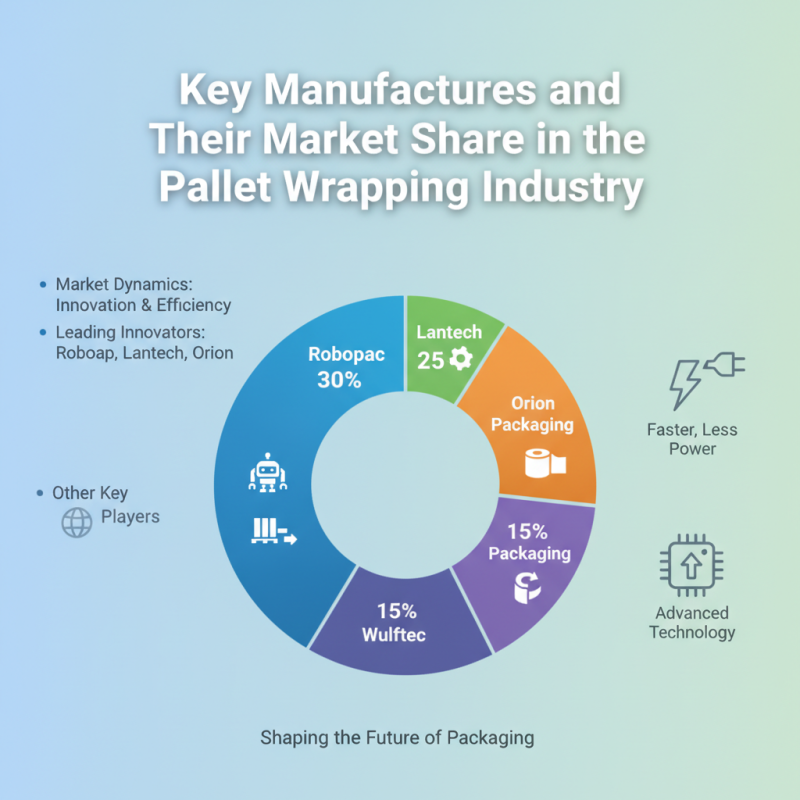
The pallet wrapping industry shows a dynamic landscape, with multiple key manufacturers shaping the market. These companies hold significant shares, leading innovation and setting standards for performance and reliability. The competitive nature of this market fosters continuous improvement in machine efficiency and effectiveness. Significant advancements in technology have allowed manufacturers to create wrapping machines that operate faster and consume less power.
The industry's leaders are not only focused on the performance of their machines but also on sustainability practices. As global buyers seek eco-friendly options, manufacturers are responding. They are developing low waste solutions without sacrificing quality. However, a challenge remains; ensuring that these advancements do not increase machine costs excessively. Price sensitivity is a crucial concern among buyers.
Market reports indicate that certain brands dominate the scene, but the landscape is diverse. Smaller players are emerging, providing niche solutions and customized machines. This creates a more competitive environment. However, such diversity can also result in confusion for buyers. With so many options, selecting the right machine becomes difficult. Buyers must carefully assess their needs and the long-term impacts of their choices.
Cost Analysis: Budgeting for Pallet Wrapping Machines and Operational Savings
When considering pallet wrapping machines, a cost analysis is essential. Buyers must budget not just for the initial purchase, but also for ongoing operational expenses. Electricity, maintenance, and training costs add up. Conducting a thorough analysis can reveal significant potential savings. For instance, investing in a more efficient machine could reduce material waste and labor costs over time.
Tip: Analyze your production volume before making a purchase. Different machines cater to varying throughput levels. A machine too simple for your needs may lead to delays. Conversely, overly complex machines can drive costs and are harder to operate.
Operational savings often stem from enhanced efficiency. Machines that wrap pallets tightly reduce the risk of product damage during transport. This can lead to fewer claims and refunds, improving profit margins. Choosing the right machine fosters a more streamlined workflow and maximizes productivity.
Tip: Consider training staff on proper machine use. A well-trained operator can avoid common pitfalls, ensuring the machine operates effectively. Regular maintenance checks can prevent costly repairs later on. Analyzing usage and upkeep can inform future budgeting decisions.