


How to Choose an Automatic Box Taping Machine in 2026
In 2026, choosing an automatic box taping machine is less about chasing maximum speed than matching reliable sealing to real cartons and production shifts. Box dimensions, board strength, and daily volume all affect performance. A machine that handles one standard carton smoothly may struggle when package sizes change throughout the day. Small details matter. Tape width, changeover time, conveyor space, and access to routine maintenance can shape the total cost of ownership.
Specifications are useful, but they do not tell the whole story. Ask suppliers to demonstrate the machine using your own cartons and tape, then check seal consistency, adjustment time, and operator access. Confirm the supported carton range and rated throughput in writing. Also review spare-parts availability, service response, safety features, and training before comparing prices. The neatest specification sheet is not always the safest choice. A fast machine may bring little value if frequent changeovers slow the line or cartons arrive unevenly. Real production is rarely as tidy as a catalog example. This guide explains the practical questions to ask, the trade-offs to weigh, and the details worth verifying before you invest in an automatic box taping machine.
Understand How Automatic Box Taping Machines Work
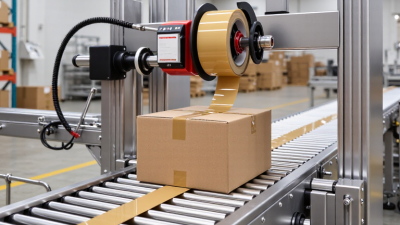
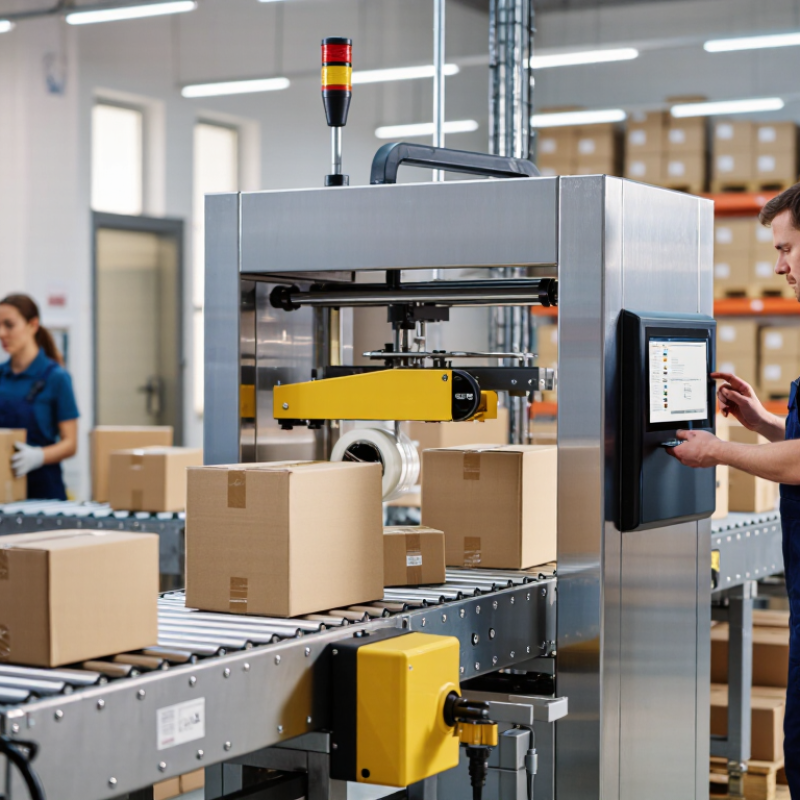
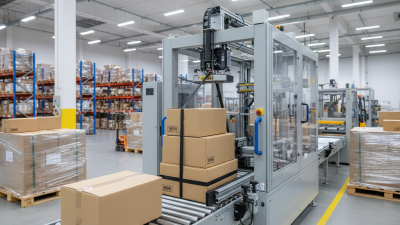
An automatic box taping machine seals cartons after they are filled and their flaps are folded. On a typical line, sensors detect the carton’s height or width, then powered belts guide it through the taping section. Top and bottom tape heads apply tape; rollers press it onto the cardboard. Some machines adjust automatically for different box sizes, while fixed-size models need manual changes. Check whether a machine seals only or also folds flaps: those are different jobs.
The details matter. Tape tension, roller pressure, and carton alignment affect whether the seal stays flat during handling. A crooked box can cause wrinkles or jams, even on a new line. Pitney Bowes’ 2024 Parcel Shipping Index estimated 21.7 billion U.S. parcels in 2023, illustrating the scale of parcel movement that packaging lines must support. That figure does not predict your own throughput. Test the machine with your actual carton sizes, board grades, and tape before choosing.
Tips: Watch several cartons run at normal speed. Look for loose tape ends, skewed boxes, and frequent operator adjustments. Record changeover time, too. It’s easy to overlook. A machine that runs quickly on one carton may slow down when sizes vary, and real production is rarely perfectly consistent.
How to Choose an Automatic Box Taping Machine in 2026
Understand how automatic box taping machines work by comparing indicative throughput ranges for common machine configurations.
Throughput depends on carton dimensions, operator loading, and line integration. These ranges are for initial planning only; confirm the rated speed under your own carton and production conditions before selecting a machine.
Define Carton Sizes, Throughput, and Production Requirements
Before selecting an automatic box taping machine, record the smallest and largest carton dimensions, including length, width, and height. Measure real production cartons, not just drawings. Board stiffness, uneven flaps, and overfilled boxes can affect feeding and tape placement. Small details matter. A useful size range should cover routine orders without frequent manual adjustment. Include occasional carton sizes too, but consider whether they justify a more flexible machine.
Set throughput using cartons per minute during normal and peak shifts. Compare the machine’s sustainable rate with the full line, including upstream packing and downstream accumulation. A published maximum can look attractive, yet brief jams or irregular carton spacing may reduce actual output. The International Federation of Robotics reported 541,302 industrial robot installations worldwide in 2023 in its World Robotics 2024 report. That figure signals broader automation investment, not demand for box tapers specifically. For your line, estimate changeovers per shift, operator availability, and hours of operation. A common planning mistake is sizing for the fastest hour alone. It is easy to overestimate. Leave room for variation, then verify the proposed rate with representative cartons and a production trial.
Compare Machine Types, Adjustments, and Sealing Features
Choose an automatic box taping machine by matching its adjustment range to your cartons, not by speed alone. A fixed-size machine suits lines handling one or a few box dimensions. For frequent size changes, look for automatic width and height adjustment, or a random-size system that senses each carton. Check the smallest and largest cases you actually run. A machine may accept a broad range yet struggle with short, light boxes. That matters. During a trial, feed cartons with slightly uneven flaps and watch for jams, skewing, or crushed corners.
Compare how each unit guides and seals the box. Side belts can steady narrow cartons, while top and bottom belts support heavier loads. Adjustable pressure and guide rails help accommodate different board thicknesses without squeezing the case. Inspect the tape heads, too: consistent tension, clean cutting, and firm wiping pressure help the tape bond across the center seam and down the sides. Ask how settings are changed and whether operators can make them safely without tools. A touchscreen looks convenient, but it is not a substitute for clear setup instructions. I would test the actual tape and carton combination before choosing; specifications alone can miss a frustrating detail.
| Machine Type | Typical Throughput | Box Size Handling | Adjustment Method | Sealing Configuration | Best Suited For | Key Consideration |
|---|---|---|---|---|---|---|
| Uniform-size automatic case sealer | About 15–30 cartons per minute, depending on carton size and line setup | A defined range of similar cartons with consistent dimensions | Operators set the machine to a carton size; some models allow quick manual changeover | Applies tape to the top and bottom center seams; side belts or bottom belts convey cartons | Production runs with one carton size or infrequent size changes | Economical and straightforward, but each significant size change may require adjustment |
| Random-size automatic case sealer | Often about 8–20 cartons per minute; actual rate depends on the range of carton sizes and sensing cycle | Mixed carton dimensions within the machine’s specified minimum and maximum limits | Sensors detect carton height and width; powered adjustments reposition guide rails and taping heads | Typically seals top and bottom center seams; automatic flap folding may be included | Order fulfillment, distribution, and lines processing changing carton sizes | Confirm the smallest and largest cartons, size-change time, and sensor requirements |
| Top-and-bottom case sealer | Commonly about 10–30 cartons per minute, depending on automation and carton flow | Available in fixed-size and adjustable configurations | Manual, semi-automatic, or powered adjustment depending on the model | Applies tape to both the top and bottom center seams in one pass | Lines where cartons arrive erected and have their top flaps folded before sealing | Check that the carton’s flaps close evenly and that the conveyor supports its weight |
| Automatic case erector and sealer combination | Typically about 8–20 cartons per minute for an integrated line; configuration affects output | Usually configured for a carton format or a limited set of formats | Carton magazine, forming settings, and sealing heads require setup for the specified box range | Forms a flat blank into a case, folds the bottom flaps, applies bottom tape, and may pass the filled carton to a separate top sealer | Packaging lines that need automatic case forming as well as sealing | Allow space for the magazine, forming section, conveyor, and any separate top-sealing equipment |
| Side-belt case sealer | Often about 10–25 cartons per minute, depending on carton stability and line speed | Most suitable for cartons with enough side-panel area for secure belt contact | Side belts grip and convey cartons; guide and head settings may be manual or powered | Commonly applies tape to the top and bottom center seams | Cartons that are too narrow, light, or unstable for reliable bottom-belt conveying | Test cartons with uneven surfaces, very low weight, or weak side panels before purchase |
| Uniform-size sealer with automatic flap folding | Usually about 10–25 cartons per minute, depending on the folding mechanism and carton condition | Designed for a set carton size or a defined size range | Carton guides and folding components are set for the selected format | Folds the top flaps and tapes the top and bottom center seams | Consistent carton runs where manual top-flap folding is a bottleneck | Check flap length, carton squareness, and whether the machine handles the closure style used on the line |
Throughput figures are indicative ranges, not guaranteed ratings. Actual performance depends on carton dimensions, operator or line feed, conveyor layout, tape type, and machine configuration. Confirm the approved carton range and test representative cartons before selecting a machine.
Check Line Integration, Safety, Maintenance, and Support
Choose an automatic box taping machine by testing it against your actual line, not just its catalog speed. Measure conveyor height, carton dimensions, spacing, and available floor space. Confirm the machine can receive upstream signals and stop safely when a downstream conveyor backs up. Run a trial with your smallest and largest cartons. Small details matter.
Check guarding, emergency-stop access, and safe procedures for clearing jams. OSHA estimates that effective lockout/tagout practices could prevent 120 fatalities and 50,000 injuries each year. Ask how operators isolate energy before maintenance, and observe whether routine adjustments require reaching near moving parts. A fast machine is not a good fit if people must work around its hazards.
Maintenance and support deserve equal scrutiny. Request the recommended inspection schedule, common wear-part list, and realistic repair response times. Check whether your team can reach belts, tape heads, and adjustment points without dismantling nearby equipment. Ask for hands-on training and clear troubleshooting instructions. A neat specification sheet cannot show every awkward repair. I would also leave room for doubt: a successful trial on one carton does not prove reliable performance across a full shift. Verify with your own product mix and operators before ordering.
Evaluate Total Cost and Verify Supplier Performance
When choosing an automatic box taping machine, compare total cost over its working life, not just the purchase price. Include installation, changeover time, tape consumption, maintenance, training, and likely downtime. The U.S. Bureau of Labor Statistics reported average private-industry compensation of $45.38 per hour in December 2024, including wages and benefits. That figure is not a packaging-line benchmark, but it shows why even modest labor savings deserve careful measurement. Small costs compound. Ask suppliers to calculate payback using your actual box sizes, shift pattern, and current labor hours—not an idealized production rate.
Verify performance before signing. Request a live trial using your own cartons and tape, then record jams, adjustment time, and completed cases per minute. Ask for written uptime assumptions, response times for service calls, spare-parts availability, and warranty exclusions. Check references from facilities with similar carton ranges and production volumes. PMMI’s packaging machinery research can help frame market and automation questions, but supplier claims still need site-level proof. A polished demonstration may hide awkward changeovers. It is worth checking how operators clear a misfeed and reload a tape roll during a normal shift. Compare the trial results with your line’s baseline, and document any gaps before final acceptance.
Related Posts
-
Top 10 Best Automatic Box Taping Machines for 2026
-
How to Choose a Carton Sealing Machine?
-
Essential Tips for Choosing the Best Automatic Banding Machine for Your Business
-
Top Benefits of Using Strapping Machines in Modern Packaging Solutions
-
2026 Top Box Taping Machine Innovations and Benefits?
-
How to Choose a Strapping Machine in 2026?