


7 Tips for Choosing an Automatic Bagging Machine?
Choosing an automatic bagging machine is not merely a purchase decision. It affects product flow, labor demands, package consistency, and daily maintenance. A machine that looks fast in a showroom may struggle with dusty powders or irregular products. The right choice begins with the real material, bag format, production target, and available floor space. Small details matter. A narrow film path, weak seal, or awkward control panel can create repeated stoppages.
This guide presents seven practical tips for evaluating equipment with greater confidence. It considers throughput, weighing accuracy, bag compatibility, sealing performance, automation features, cleaning access, and supplier support. These points reflect common factory concerns and the technical checks experienced packaging teams make before approving a line. Ask for sample trials. Measure actual cycle times. Inspect sealed bags after transport simulation, not only under showroom conditions. Reliable suppliers should explain tolerances, spare parts, training, and service response clearly.
Still, no recommendation fits every operation. A low-cost machine may suit one product and disappoint another. A high-speed model can be wasteful when demand changes. Even careful estimates can miss seasonal peaks or operator learning time. That uncertainty deserves attention. Compare documented performance with your own samples, records, and maintenance capacity. The following tips support a balanced decision, reduce avoidable risk, and help create a packaging process that remains dependable beyond installation day.
Understanding Automatic Bagging Machines and Their Main Applications
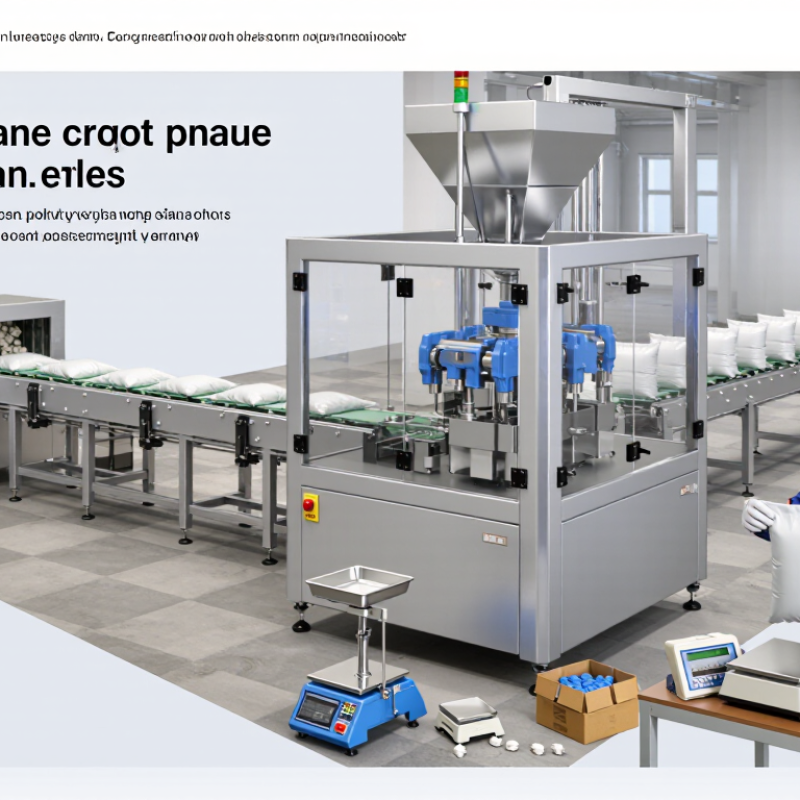
Automatic bagging machines fill, form, and seal bags with limited operator handling. They serve food, pet nutrition, agriculture, chemicals, and household products. Common formats include vertical form-fill-seal, premade-pouch, and open-mouth systems. Each format suits different materials and production speeds.
Seven checks matter when choosing equipment: product texture, target weight, bag material, sealing method, output rate, cleaning access, and spare-part support. Powder needs dust control and an auger filler. Granules often require multihead weighing. Sticky products may need slower, gentler handling. Fresh produce also demands careful sealing, because trapped moisture can weaken the package.
The market is expanding. Grand View Research’s 2024 packaging machinery analysis projects roughly 6% annual growth through 2030. Smithers’ flexible packaging report also identifies automation, material reduction, and higher-speed filling as major industry trends. These figures indicate demand, not guaranteed savings. A faster machine can create more waste if calibration is poor.
Test real products before purchasing. Use the intended film, because laboratory samples can hide sealing problems. Check weight variation at the beginning and end of a shift. Inspect dusty corners. They matter. Operators should reach film rolls, sensors, and sealing jaws without awkward tools. A perfect machine rarely exists; I would prioritize stable accuracy and simple maintenance over impressive peak speed.
Assessing Product Types, Bag Specifications, and Packaging Requirements
Choosing an automatic bagging machine starts with the product, not the machine. Define whether you will pack powders, granules, liquids, or irregular parts. Then compare auger, volumetric, weigh-filling, and liquid-filling systems. Product density, flowability, temperature, and fragility determine the correct filling method. Small errors become expensive quickly. PMMI’s 2023 State of the Industry report identifies labor availability and automation as major packaging investment drivers, but automation cannot correct poor product data.
Bag specifications deserve equal attention. Record bag length, width, gusset depth, film structure, sealant layer, thickness, and opening style. Check whether the package is pre-made, roll-fed, paper-based, or recyclable flexible film. The Flexible Packaging Association reported that flexible packaging generated approximately 39.5 billion dollars in U.S. sales in 2023, showing how widely these formats are used. However, popular does not mean universal. Film slip, static, dust, and weak seals can reduce operating speed. Test real bags, not only supplier samples.
Packaging requirements should define target weight, permissible variation, line speed, changeover time, dust control, traceability, and inspection points. Request factory acceptance testing with your product and bags. Review seal strength, leak performance, reject rates, and cleaning access. The Packaging Machinery Manufacturers Institute links connected equipment with better production visibility, yet data alone cannot replace operator judgment. A perfect specification is impossible. Leave adjustment range for seasonal humidity and material variation. Reliability comes from measured trials, documented maintenance, and honest acceptance criteria.
Comparing Machine Designs, Filling Methods, and Automation Features
7 Tips for Choosing an Automatic Bagging Machine?
Machine design should match the bag, product, and available floor space. Vertical form-fill-seal equipment suits powders, grains, and irregular products. Premade-pouch machines offer cleaner presentation and faster product changes. Consider stainless-steel frames, tool-free access, and washdown clearance. A compact machine may save space, but cramped maintenance areas create costly delays. Choose servo-driven jaws when precise sealing pressure matters. Do not trust brochure speed alone.
Filling method directly affects accuracy and waste. Auger fillers handle powders, while multihead weighers suit snacks and mixed pieces. Volumetric cups can work well with consistent granules. Test the actual product, including dust, temperature, and bulk-density changes. Smithers’ flexible-packaging research identifies lightweight formats as a continuing growth area, increasing pressure on seal integrity and material control. A short factory trial reveals more than a polished demonstration.
Automation features should remove repetitive decisions, not hide problems. Recipe management, automatic film tracking, checkweighing, and remote diagnostics can reduce operator errors. The International Federation of Robotics reported 541,302 industrial robots installed worldwide in 2023. That figure shows wider automation momentum, but bagging still depends on practical integration. Connect the filler, scale, printer, and case packer carefully. Poor communication creates stoppages. I would also ask for changeover records, spare-parts lead times, and training evidence. Perfect automation is unrealistic. Recoverable mistakes matter more.
Evaluating Speed, Accuracy, Compatibility, Safety, and Maintenance
7 Tips for Choosing an Automatic Bagging Machine
Tip 1: Measure speed in real conditions.
A machine rated for 60 bags per minute may slow down with heavy products, narrow bags, or frequent size changes. Request a live trial using your actual material. Record output for at least one hour, not just a short demonstration.
Tip 2: Check accuracy.
Weigh filled bags at different speeds. Small errors can become expensive over thousands of cycles.
Tip 3: Confirm compatibility with bag sizes, film thickness, product shape, and sealing methods.
Ask for written operating limits.
Tip 4: Examine safety features closely.
Look for guarded moving parts, emergency stops, clear access points, and simple lockout procedures. Operators should not need awkward movements to clear a jam.
Tip 5: Review maintenance access.
Filters, sensors, sealing bars, and cutting parts should be easy to reach and clean. Ask how often each component needs inspection.
Tip 6: Consider controls and training.
A clear interface reduces mistakes during changeovers. Training should include fault recovery, not only normal operation.
Tip 7: Check service support and spare-part availability before purchasing.
A low purchase price can become costly during long downtime.
Realistically, no machine performs perfectly in every environment. Dust, humidity, and inconsistent products may expose weaknesses. My own evaluation would include a small pilot run, maintenance records, and feedback from operators who use the equipment daily.
Calculating Total Costs and Verifying Suppliers Before Purchase
When choosing an automatic bagging machine, calculate the total cost before comparing purchase prices. The cheapest quotation can become expensive after installation, training, and repairs. Build a three-year cost sheet for a realistic comparison. Include electricity, compressed air, packaging materials, labor, spare parts, software updates, and expected downtime. Also consider changeover time between bag sizes. Ten extra minutes per shift can reduce annual output significantly.
During plant assessments, I have learned that small details matter. My first estimate once ignored film waste during machine testing. That mistake changed the payback period. Measure current waste, sealing failures, cleaning time, and rejected bags before requesting proposals. Ask suppliers to calculate savings from your actual production data, not general industry examples. Require a clear quotation with delivery, commissioning, operator training, warranty coverage, and service response times listed separately.
Supplier verification deserves the same attention as machine performance. Request technical drawings, electrical requirements, maintenance schedules, and documented safety compliance. Speak with recent users who process similar materials and volumes. Ask about unresolved service cases, not only successful installations. A factory video is useful, but it cannot replace a live demonstration with your bags and products. Check whether critical components are available locally and whether technicians can reach your facility promptly. An honest supplier welcomes detailed questions. Leave room for doubt, because optimistic estimates often hide practical costs.
5-Year Total Cost Comparison for Automatic Bagging Machines
Compare suppliers using the complete ownership cost rather than the purchase price alone. This planning model includes equipment, installation, operator training, maintenance, and energy costs over five years.
Before purchasing, request itemized quotations, confirm warranty coverage and spare-parts availability, verify installation and training responsibilities, and ask for references from facilities with similar production requirements.
Related Posts
-
China Top Automatic Bagging Machine Manufacturers?
-
Why Choose a Bagging Machine for Global Sourcing?
-

2026 Best Automatic Bagging Machine Reviews and Buying Guide?
-
Why Choose an Automatic Bagging Machine for Your Packaging Needs?
-
How to Choose the Best Automatic Bagging Machine for Your Business?
-
Why Choosing the Right Packaging Machine is Essential for Business Success?