What is a Plastic Banding Machine and How Does It Work?
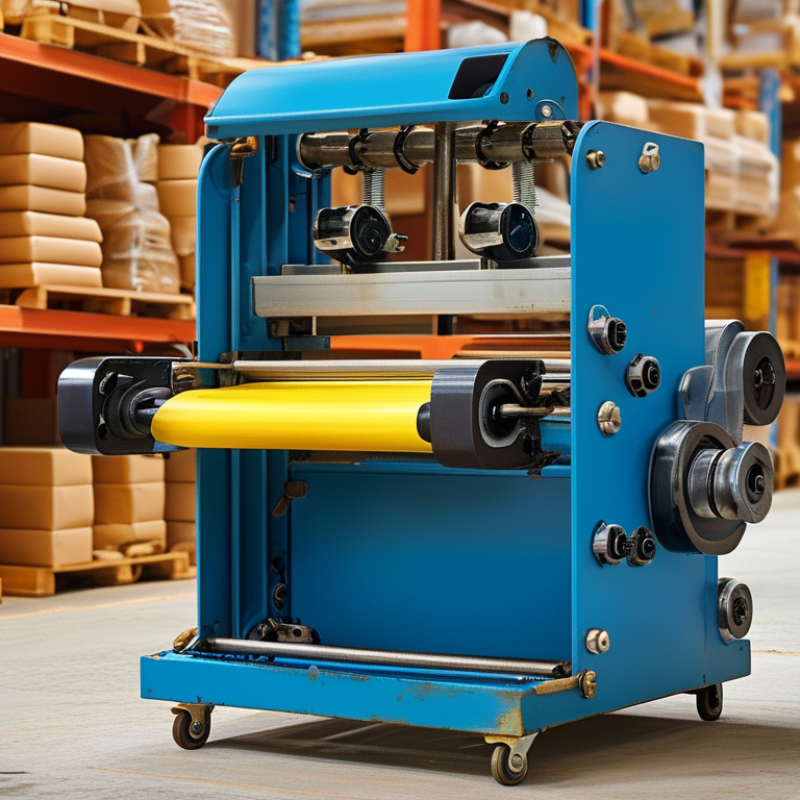
A plastic banding machine is a vital tool in various industries. Its primary purpose is to secure products using plastic straps. These machines help improve packaging efficiency and product integrity. Many businesses rely on them for safe transport and storage.
Understanding how a plastic banding machine works is essential for optimizing workflow. This machine typically applies tension to straps and seals them tightly around products. It can handle different materials and sizes, showcasing its versatility. However, the choice of machine depends on specific needs and production volume.
While plastic banding machines are effective, they can present challenges. Improper use may lead to product damage or safety issues. Users must be trained to operate these machines properly. Adopting best practices ensures their reliability and effectiveness in various settings. Regular maintenance is crucial to keep them running smoothly.
What is a Plastic Banding Machine?
A plastic banding machine is essential in the packaging industry. It securely binds products, ensuring they remain intact during transport and storage. This machine typically uses plastic strapping materials, which offer durability and flexibility. Research indicates that the global plastic strapping market is projected to grow significantly, reaching approximately $3.9 billion by 2026. This growth highlights the increasing reliance on efficient packaging solutions.
The operation of a plastic banding machine is straightforward yet vital. It applies tension to the strapping around a product, creating a tight seal. Many machines are equipped with automatic features, enhancing efficiency. However, some operators encounter challenges, such as improper strap tension or incorrect alignment. According to industry analyses, about 15% of plastic strapping applications face issues with slippage or breakage. Regular maintenance and operator training can mitigate these problems.
In terms of materials, most machines utilize polypropylene or polyester strapping. Each type has its own advantages, with polyester typically offering greater strength. Nonetheless, users often overlook the importance of selecting the right strap for specific applications. This oversight can lead to increased material costs and wasted time. Understanding the capabilities and limitations of a plastic banding machine is crucial for optimal performance in the packaging process.
The Main Components of a Plastic Banding Machine
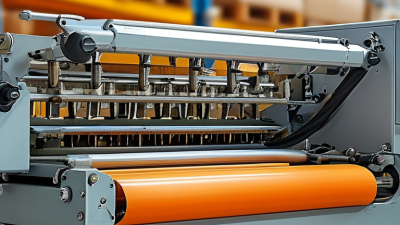
A plastic banding machine is essential in many industries. It is used for securing products and packages. Understanding its components helps in grasping its functionality. The main components include a tensioning unit, a sealing mechanism, and a control system.
The tensioning unit is responsible for applying pressure to the plastic strap. It ensures the band is tight enough to hold the items securely. An improperly tensioned strap can lead to product damage or packaging failure, a common oversight. The sealing mechanism applies heat or friction to bond the ends of the strap together. This process requires careful calibration. If the temperature or pressure is not optimal, the seal may weaken, which can compromise the whole package.
The control system manages the entire operation. It oversees the calibration of tension and sealing settings. An effective control system allows for adjustments based on different products. However, some operators might overlook regular maintenance, leading to inconsistencies in performance. Learning to recognize these issues is essential for reliable operation. Proper understanding of each component ensures better performance and helps prevent common failures in banding processes.
What is a Plastic Banding Machine and How Does It Work?
| Component |
Description |
Function |
| Signode Banding Machine |
A machine designed for applying plastic bands to secure products. |
Used for bundling packages to ensure stability during transport. |
| Tensioning Device |
Mechanism that applies tension to the band before sealing. |
Ensures that the band is tight enough to hold the products securely. |
| Sealing Head |
Part of the machine that heats the band for sealing. |
Fuses the ends of the plastic band together to prevent loosening. |
| Control Panel |
Interface for operators to set machine parameters. |
Allows customization of tension, band length, and sealing time. |
| Feed System |
Mechanism that feeds the plastic band into the machine. |
Ensures a continuous supply of band material for processing. |
How Plastic Banding Machines Operate Step by Step
Plastic banding machines play a crucial role in various industries by securely packaging products. Their operation involves a systematic approach that ensures efficiency and reliability. Initially, the machine dispenses plastic banding material, typically made from polypropylene or polyester, which has a high tensile strength. With the global plastic strapping market projected to reach $6.0 billion by 2026, understanding the mechanics behind these machines becomes essential for businesses aiming to streamline their packaging processes.
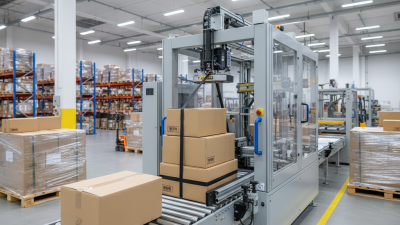
Once the banding material is fed into the machine, it wraps around the products. This process can be fully automated or partially manual, depending on the machine type. After wrapping, the ends of the band are heated or sealed together using friction or ultrasonic methods. Reports suggest that properly sealed bands can withstand significant pressure, with a break strength often exceeding 600 pounds. However, achieving a perfect seal can sometimes be challenging, leading to a need for regular equipment maintenance to prevent inconsistencies.
As the packed products exit the machine, they are often conveyed to the next stage of processing. Operators must monitor for errors, such as misalignment or weak seals. Continuous training in machine operation is essential, as human error can impact packaging reliability. Although many facilities invest in state-of-the-art machines, the user’s expertise and diligence significantly contribute to overall performance and quality assurance.
Applications of Plastic Banding Machines in Various Industries
Plastic banding machines are invaluable tools across various industries. They secure products for shipping and storage, ensuring safety and stability. In the packaging industry, about 30% of products rely on plastic banding for secure transport, according to a 2022 report by Packaging Insight. This method reduces damages during transit and increases efficiency.
In the construction sector, these machines hold materials like lumber and piping together. Nearly 25% of construction projects utilize plastic banding, highlighting its importance. However, improper use of these machines can lead to issues like insufficient tension, which affects load integrity. Furthermore, some segments still rely on manual methods, which can be time-consuming and less reliable.
The logistics industry also benefits significantly. Around 40% of freight companies now use automated banding solutions. This shift is driven by the need for higher efficiency and safety standards. Despite advancements, challenges remain in training personnel to use these machines effectively. Errors in banding can lead to costly delays and product damages. Balancing automation and human oversight is crucial for optimal operation.
Advantages and Limitations of Using Plastic Banding Machines
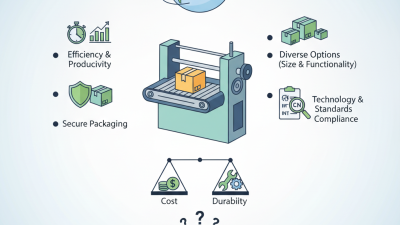
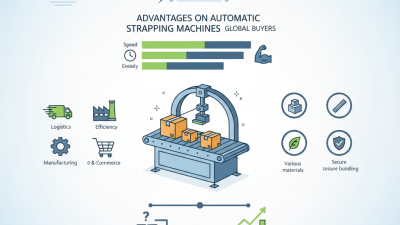
Plastic banding machines play a crucial role in modern packaging and logistics. They offer advantages that significantly enhance efficiency. A report by the Packaging Institute indicates that businesses can increase productivity by up to 30% when using automated banding machines. These machines streamline the packaging process, minimizing manual labor and reducing the risk of errors. The use of plastic bands ensures products are secured tightly, which lowers the likelihood of damage during transport.
However, plastic banding machines are not without limitations. One major concern is the environmental impact of plastic waste. The International Waste Management Association highlights that millions of tons of plastic end up in landfills each year. Businesses must balance efficiency with sustainability, which can be challenging. Additionally, the maintenance costs for these machines can be significant. Regular servicing is necessary to ensure optimal performance. Neglecting maintenance can lead to operational inefficiencies and increased downtime.
In conclusion, while plastic banding machines boost productivity, companies should reflect on their practices. Finding eco-friendly alternatives could mitigate environmental issues. Furthermore, evaluating the total cost of ownership is essential for informed decision-making. Addressing these challenges will lead to better practices in the industry.