How to Choose the Best Strapping Machine for Your Packaging Needs?
Choosing the right strapping machine can significantly impact your packaging efficiency. According to the Packaging Machinery Manufacturers Institute (PMMI), over 40% of packaging operations struggle with inefficient strapping methods. This highlights the importance of selecting an appropriate machine.
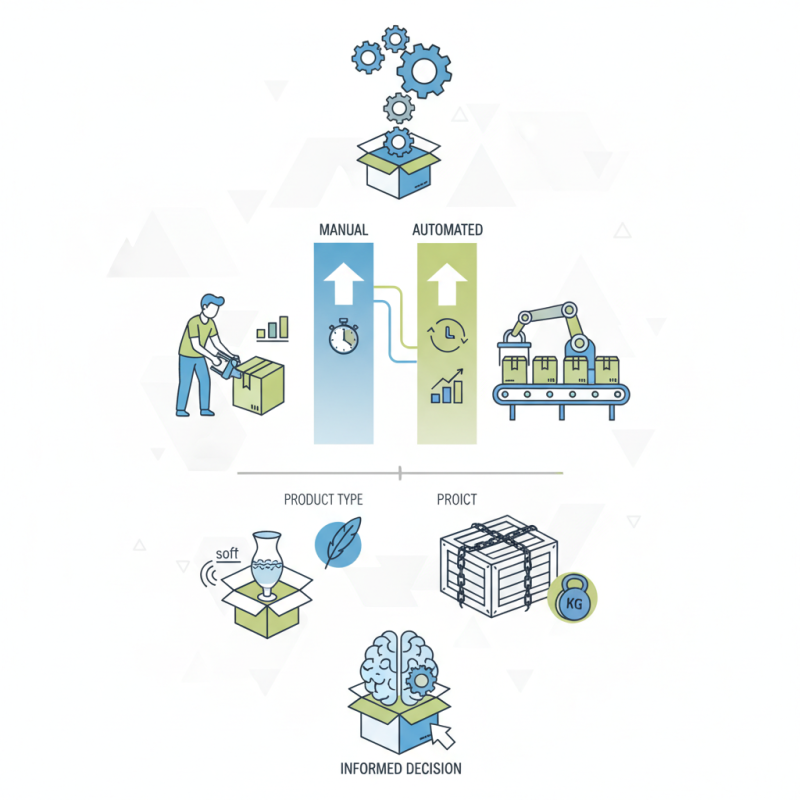
When evaluating strapping machines, consider your specific needs. The market offers various types, from manual to fully automated systems. Reports indicate that automation in strapping can increase productivity by 30%. However, many businesses may overlook the long-term benefits of investing in advanced solutions.
Understanding the unique challenges of your operation is essential. For example, fragile products may require a softer strapping method. Conversely, heavy loads benefit from robust systems. Careful assessment of these factors ensures you make an informed decision tailored to your packaging environment.
Understanding Packaging Needs: Identifying Your Strapping Requirements
Choosing the right strapping machine is essential for efficient packaging operations. Understanding your specific packaging needs plays a crucial role. Different industries have varied strapping requirements. For instance, a food processing facility might need machines that meet hygiene standards, while a construction supply company may prioritize strength and durability.
According to industry reports, over 30% of packaging errors stem from improper strapping methods. This statistic highlights the importance of identifying your unique needs before making a purchase. Analyze the types of products you handle. Consider their weight, size, and how they are stored or shipped. Each factor can influence the choice of a strapping machine.
Tips: Evaluate your production speed. If you often work at high volumes, select a machine that can keep up without compromising quality. Also, consider the materials you will use. Different plastics and metals interact uniquely with strapping machines. Remember to review and reflect on your existing processes. Continuous improvement is key in optimizing your packaging workflow.
Types of Strapping Machines: Manual, Semi-Automatic, and Automatic Options
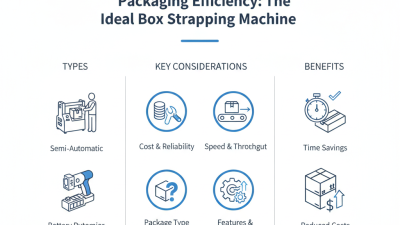
When choosing a strapping machine, you should consider the type that best suits your needs. There are three main types: manual, semi-automatic, and automatic strapping machines. Each has its own advantages, depending on your production volume and specific requirements.
Manual strapping machines are ideal for low-volume operations. They require physical effort to strap items but are cost-effective. They offer flexibility for smaller tasks and are easy to maintain. For light packages, they can be very efficient. A potential downside is the time involved, especially for larger items.
Semi-automatic strapping machines are a middle ground. They require some manual input but automate the strapping process. This option increases productivity while still being user-friendly. Operators load the package; the machine does the rest. Remember, though, that this type may have a learning curve.
Automatic strapping machines are best for high-volume production. They can strap items quickly and efficiently. These machines often integrate well with other packaging systems. The downside? The initial investment can be significant, and maintenance may require skilled technicians.
Tips: Assess your packaging speed and volume before choosing. Consider the space you have available. Always think about future scalability. The right machine should grow with your business.
Key Features to Consider: Speed, Material Compatibility, and Size
When selecting a strapping machine, speed is crucial. It determines how quickly your products are secured for shipment. A higher speed machine can significantly enhance your packaging efficiency. Yet, rushing may compromise quality. Finding a balance between speed and reliability is essential.
Material compatibility is another key consideration. Strapping machines work with various materials like polypropylene and polyester. Each material has its strengths and weaknesses. If you're packaging heavy items, for instance, polyester may be more suitable due to its strength. However, it can be more expensive than polypropylene. Understanding your specific packaging requirements will guide you in making the right choice.
Size matters as well. The machine should fit your workspace and accommodate your products. A compact machine might save space, but it may not handle larger items effectively. Evaluate your production needs thoroughly. It's worth noting that an inappropriate size can lead to inefficiencies and even increased costs in the long run. Each factor—speed, material, and size—requires careful thought to ensure optimal packaging solutions.
How to Choose the Best Strapping Machine for Your Packaging Needs? - Key Features to Consider: Speed, Material Compatibility, and Size
| Feature |
Description |
Importance Level (1-5) |
| Speed |
The rate at which the machine can strap packages, usually measured in straps per minute. |
5 |
| Material Compatibility |
The types of strapping materials (e.g., polypropylene, polyester) that the machine can handle. |
4 |
| Size |
The physical dimensions of the machine and the size of packages it can accommodate. |
4 |
| User-Friendliness |
Ease of operation, including setup and maintenance. |
5 |
| Durability |
The construction quality and lifespan of the machine under regular use. |
4 |
| Cost |
The upfront price and overall value in relation to features offered. |
3 |
| Safety Features |
Safety mechanisms to prevent accidents during operation. |
5 |
Cost vs. Value: Budgeting for a Strapping Machine Purchase
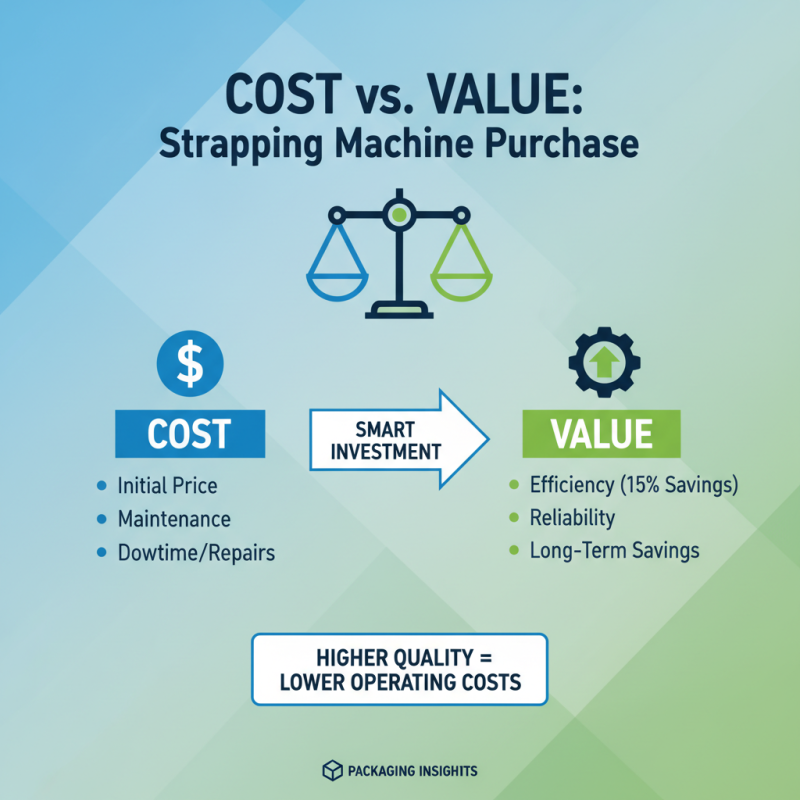
When considering the purchase of a strapping machine, understanding the balance between cost and value is crucial. According to industry reports, an efficient strapping machine can reduce packaging costs by nearly 15%. Companies often overlook hidden costs, such as maintenance and downtime, which can significantly impact the overall budget. Investing in higher-quality machinery may come with a higher initial expense but can lead to lower long-term operational costs.
For instance, organizations using automated strapping systems can often achieve faster production speeds. A study found that businesses experienced a 25% increase in productivity when switching from manual to automated strapping methods. However, selecting the wrong machine can lead to inefficiencies. Many buyers have reported frustrations with low-quality machines, resulting in frequent breakdowns and increased repair expenses.
Budgeting for a strapping machine involves more than just the purchase price. Consider ongoing maintenance, warranty options, and training costs. A well-chosen machine can provide excellent value, reducing labor costs over time. Conversely, a lower-cost option may save money upfront but could result in higher total ownership costs. It's essential to weigh the initial investment against potential savings in efficiency and reliability. Investing in the right equipment ensures better performance in the long run.
Maintenance and Support: Ensuring Longevity and Reliability of Equipment
Maintaining strapping machines is crucial for their longevity. Regular maintenance helps ensure that these machines operate smoothly. Dust, dirt, and wear can lead to breakdowns. Schedule frequent inspections to catch potential issues early. Tightening loose parts and cleaning surfaces can prevent costly downtime.
Support plays a key role in machine reliability. Access to technical help is important. Some companies offer online resources, while others provide on-site service. Make sure to choose a provider that suits your needs. Having a reliable support network can make a big difference when problems arise.
Documenting maintenance activities is essential. Keep a log of repairs, inspections, and any issues encountered. Tracking this data allows for informed decisions about future maintenance. It also helps identify recurring problems. Reflecting on these experiences can lead to better practices and improved performance over time.
Strapping Machine Maintenance and Support Overview
This chart illustrates the importance of different maintenance and support aspects that affect the longevity and reliability of strapping machines. The data represents the percentage of businesses prioritizing each aspect based on industry surveys.