How to Choose the Best Pallet Banding Machine for Your Needs?
Choosing the right pallet banding machine is crucial for efficient packaging operations. The right equipment can enhance productivity and minimize waste. However, not all machines are created equal. Factors like material compatibility, machine speed, and ease of use play significant roles in selecting the best option.
When evaluating options, consider your specific needs. Different machines cater to various settings, from small operations to large-scale manufacturing. Pay attention to the machine's features and specifications. A reliable pallet banding machine should seamlessly integrate into your existing workflow.
Investing in technology often leads to decisions that require reflection. Are you prioritizing cost over quality? A cheaper option might not deliver long-term benefits. Examine the reputation of manufacturers and user reviews. Ultimately, the right pallet banding machine should meet your operational demands while providing consistent performance.
Factors to Consider When Selecting a Pallet Banding Machine
When selecting a pallet banding machine, there are several key factors to consider. The type of materials you frequently handle plays a crucial role in your decision-making process. For instance, polypropylene and polyester are the most common materials used in banding. According to industry reports, polypropylene accounts for nearly 70% of the market due to its strength and cost-effectiveness. Comparing these materials ensures that you choose a machine capable of meeting your packaging needs.
Speed and efficiency are paramount in warehouse operations. Some machines can achieve a bundling speed of over 40 bundles per minute. However, consider whether such speed suits your throughput needs. A machine that operates too quickly may lead to errors or increased waste. The ideal machine should balance speed with accuracy.
Additionally, user-friendliness cannot be overlooked. Machines with complex controls may require extensive training, leading to inefficiencies. Automated features can simplify operation but may also increase initial costs. Seek a machine that offers ease of use without sacrificing reliability. Carefully evaluate your specific workflow to find a system that complements it. Making the right choice can optimize your processes.
Types of Pallet Banding Machines and Their Applications
When selecting a pallet banding machine, it's crucial to understand the types available and their specific applications. Manual banding machines are common in small operations. They usually require human effort to apply the banding material, making them less efficient but ideal for low-volume packaging. Users appreciate their simplicity and lower cost. However, this type may struggle with speed and consistency over time.
Automatic banding machines offer increased efficiency. These machines can handle higher volumes and apply tension uniformly. They are suitable for large warehouses that require swift processing. Users often find them reliable for repetitive tasks. Yet, they may have a steeper learning curve and involve higher upfront costs. Reflexive thought is needed here; investing in automation can yield long-term benefits but requires initial adjustments.
Semi-automatic banding machines balance efficiency with manual control. They typically involve machine assistance but still require operator involvement. Their versatility makes them suitable for various applications, from small businesses to larger operations that may not yet be fully automated. It's important to reflect on your specific needs. What level of automation fits your workflow? Understanding these nuances can guide your decision-making process effectively.
Evaluating Banding Speed: Industry Standards and Efficiency Metrics
When considering a pallet banding machine, evaluating the banding speed is crucial. Banding speed directly impacts productivity and efficiency in a warehouse or a production line. Industry standards suggest that a good banding machine should operate at a speed of 25-30 bundles per minute. However, this can vary based on the complexity of the packaging operation.
Efficiency metrics play a vital role in determining the right machine. While speed is essential, the reliability of the machine should not be overlooked. A faster machine might seem advantageous, but if it frequently malfunctions, it can cause delays and increased downtime. Understanding how to balance speed with reliability is key. Operators might find that a machine with a slightly lower speed offers better overall performance due to its durability and consistency.
It's important to reflect on your unique needs. Not every operation demands maximum speed. Sometimes, adjusting the speed settings to match your workflow can yield better results. Consider factors like product type and packaging size. These nuances can help in selecting the ideal machine that truly meets operational demands without overwhelming the workflow.
Material Compatibility: Choosing the Right Banding Materials
Choosing the right banding materials is crucial for effective pallet banding. Different products require different materials. Consider the weight and shape of your items. This will help identify the best banding options for your specific needs.
Polypropylene (PP) and polyester (PET) are common choices. PP offers flexibility and is cost-effective. It works well for lighter loads. However, it may not hold up under extreme temperatures. PET provides more strength and durability. It is suitable for heavier, more fragile loads. Choose based on the type of items you are banding.
It's important to consider the environment too. Moisture can affect banding material. If you're working in a humid area, PET may be more reliable. Yet, some people may overlook this fact. Testing different materials can prevent future complications. Reflect on past experiences to make better choices.
How to Choose the Best Pallet Banding Machine for Your Needs? - Material Compatibility: Choosing the Right Banding Materials
| Material Type |
Compatibility |
Strength |
Cost Per Unit |
Best Use Case |
| Polypropylene |
Plastic, Metal, Wood |
Medium |
$0.05 |
Light to Medium Loads |
| Polyester |
Plastic, Metal, Wood |
High |
$0.15 |
Heavy Loads |
| Steel |
All Materials |
Very High |
$0.20 |
Heavy Industrial Use |
| Cotton |
Primarily Wood |
Low to Medium |
$0.10 |
Light Loads, Fragile Items |
| Nylon |
Plastic, Metal |
High |
$0.18 |
Heavy and High-Stress Applications |
Cost-Benefit Analysis of Investing in a Pallet Banding Machine
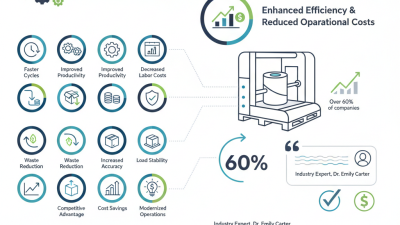
Investing in a pallet banding machine can yield significant cost benefits. According to industry reports, businesses that utilize these machines often see a 30% increase in packaging efficiency. This increase reduces labor costs and minimizes material waste. A single machine can handle multiple pallets a day, allowing companies to redirect human resources to other value-added tasks.
However, the initial investment might be daunting. Machines can cost between $3,000 to $10,000. It’s crucial to consider the return on investment (ROI). For example, a company spending $5,000 may recover costs within a year by saving on labor and materials. Understanding long-term costs versus short-term gains is essential for making informed decisions.
Tips: Review your packaging volume. Machines suited for low-volume tasks differ from high-volume needs. Also, consider maintenance costs. Regular upkeep is vital to avoid unexpected expenses. Evaluate different configurations and features to align with your operational workflow. Making an informed choice today can enhance productivity and reduce operational inefficiencies in the long run.
Cost-Benefit Analysis of Investing in a Pallet Banding Machine