



2026 Top Heat Shrink Machine Types for Global Buyers
Choosing a heat shrink machine for 2026 starts with the product, film, and required output—not the machine’s headline speed. A compact chamber unit may suit short runs and mixed product sizes. An L-sealer paired with a shrink tunnel can support steadier production. Sleeve systems are often considered for multipacks, while automated lines connect sealing, shrinking, and conveying. Small details matter.
For a useful comparison, buyers should check package dimensions, film type, seal quality, conveyor width, temperature control, and changeover time. A machine that handles cartons well may not suit bottles or irregular bundles. Ask suppliers for sample runs using your actual product and film. Observe shrink consistency, seal strength, and the time needed to adjust settings. These checks offer more practical evidence than a catalog claim alone.
Installation needs attention too. Confirm available floor space, power supply, operator training, spare parts, and local service coverage before ordering. Request written specifications and clarify what the quoted configuration includes. Throughput figures can vary with product spacing, operator skill, and package shape; real production rarely looks as tidy as a demonstration. No single machine fits every buyer. The comparisons that follow outline common heat shrink machine types, their typical strengths, and the trade-offs worth reviewing before a purchase. Use them as a starting point, then verify performance against your own line conditions.
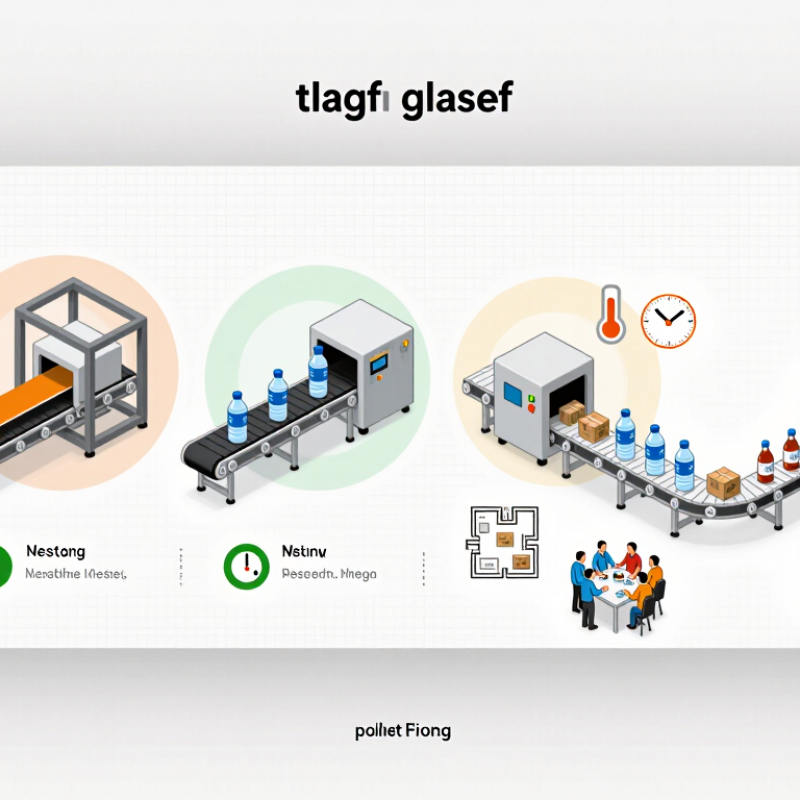
Heat-Shrink Machine Types: Heat Guns, Chamber, L-Seal, Sleeve, and Tunnel Systems
Heat-shrink systems suit different workloads. A heat gun offers a low-cost way to shrink film around small batches, but results depend heavily on operator distance and movement. A chamber machine heats enclosed packs more evenly and works well for modest production runs. It takes up more space, though, and may slow work when pack sizes vary. Small test batches reveal issues early.
L-seal machines cut and seal film around individual products, creating a neat package ready for shrinking. Sleeve systems wrap film around grouped items, such as bottles or cartons, while tunnel systems apply controlled heat as packs move through on a conveyor. Tunnel settings matter: too much heat can distort thin film or soften product packaging. A clean seal is important, but it does not guarantee a strong finished pack.
Tips: Match the machine to pack dimensions, film type, and hourly output. Check temperature control, conveyor speed, guarding, and routine maintenance needs. Ask for a product trial with your actual film. Results can differ from sample runs, and that detail is easy to overlook.
Compare Machine Throughput Using Packs per Minute and Conveyor Speed
2026 Top Heat Shrink Machine Types for Global Buyers
Compare Machine Throughput Using Packs per Minute and Conveyor Speed
Heat-shrink lines are often compared by advertised packs per minute, but conveyor speed alone can mislead. A belt moving at 10 meters per minute may carry about 29 packs per minute when each package and gap use 35 centimeters. That is only theoretical. Sealing time, product orientation, and operator loading can lower the steady rate. Compact L-sealers suit mixed, lower-volume work; automatic side-seal systems handle longer runs and varied lengths. Shrink tunnels also need enough dwell time for even film contraction.
Compare actual packs per minute using the same product size, film, and quality target. Record conveyor speed in meters per minute, then note package length plus the clear gap between items. Divide belt speed by that pitch to estimate spacing capacity, but verify it with a timed production trial. Loose spacing or warm-up pauses can make a fast belt look productive while output stays uneven. In practice, estimates can miss these details.
Tips: Ask for a sustained run test, not just a brief peak-rate demonstration. Count acceptable wrapped packs for ten minutes, including small stoppages. Check film wrinkles, seal quality, and tunnel temperature during the trial. Record the awkward details too: spacing often changes once operators settle into a rhythm.
2026 Top Heat Shrink Machine Types for Global Buyers
Compare indicative throughput in packs per minute with conveyor speed.
Values are representative planning estimates, not standardized machine ratings. Actual throughput depends on pack dimensions, film, product spacing, operator setup, and line configuration. Confirm rated speed with the equipment supplier.
Match POF Film to Its Typical 120–160°C Shrink-Processing Range
2026 Top Heat Shrink Machine Types for Global Buyers
Match POF Film to Its Typical 120–160°C Shrink-Processing Range
POF film commonly shrinks in a processing range of about 120–160°C, but the right setting depends on film gauge, pack shape, and line speed. Treat this as a starting range, not a universal recipe. A chamber set to 140°C does not mean every part of the film reaches that temperature evenly. Watch the seal area and corners for wrinkles, pinholes, or loose folds. Small details matter. ASTM D2732 provides a standardized method for measuring free shrink in plastic film, useful when comparing film samples under controlled conditions.
Choose the machine around the package and production pace. A compact heat gun may suit occasional, varied packs; a chamber or tunnel usually offers more repeatable heating for steady runs. Start near the film supplier’s guidance, then adjust temperature and conveyor speed in small steps. Check several packs, not just the best-looking one. There is a trade-off: excess heat can distort packs, while insufficient heat leaves slack film. The OECD’s 2022 Global Plastics Outlook estimates that 353 million tonnes of plastic waste were generated worldwide in 2019, with 9% recycled. That figure is not specific to POF, but it reinforces why avoiding avoidable start-up rejects is worth measuring. Not every line agrees. Keep a record of settings and reject rates for each format.
2026 Top Heat Shrink Machine Types for Global Buyers - Match POF Film to Its Typical 120–160°C Shrink-Processing Range
| Machine type | Typical operation | Common applications | POF film and temperature fit | Buyer considerations |
|---|---|---|---|---|
| Manual L-bar sealer with shrink tunnel | An operator positions the product, seals and cuts the film, then feeds it through a separate heated tunnel. | Short runs, samples, mixed product sizes, and smaller packing operations. | Commonly used with center-fold or single-wound POF. Start trials within the film supplier’s recommended 120–160°C shrink-processing range. | Check seal-bar dimensions, tunnel opening, cycle rate, and availability of temperature and conveyor-speed adjustments. |
| Semi-automatic L-bar sealer with tunnel | A powered sealing cycle improves consistency; the operator usually loads products and transfers packs to the conveyor. | Small-to-medium production runs and products that change size between batches. | A flexible option for POF packs. Tune tunnel temperature and conveyor speed together rather than relying on temperature alone. | Confirm the required operator steps, seal quality at the target rate, and whether the tunnel can handle the largest pack. |
| Automatic L-bar shrink-wrapping line | Automated feeding, film sealing and cutting, and transfer through a shrink tunnel; line configuration determines the level of automation. | Repeatable, higher-volume production of regularly sized individual packs. | Suitable for POF when film width, seal format, tunnel capacity, and product spacing are matched to the line. | Evaluate actual pack dimensions, changeover needs, line speed, guarding, and compatibility with the intended POF film thickness. |
| Automatic side-seal shrink wrapper | A continuous side seal accommodates products of varying lengths; a downstream tunnel applies heat to shrink the film. | Long or irregularly sized products and production with frequent length variation. | Often paired with POF center-fold film. The typical 120–160°C range is a film-processing reference, not a guaranteed tunnel setpoint. | Check maximum product width and height, sealing method, film tracking, and whether the tunnel provides even heat distribution. |
| Shrink tunnel for pre-sealed packs | Conveys already-wrapped products through a heated chamber; a separate machine or manual process forms the film package. | Operations that already have a wrapping or sealing step and need controlled shrinking. | Can process POF if tunnel airflow, temperature, and conveyor speed suit the film and product. The 120–160°C range is a typical reference for POF shrink processing. | Verify tunnel opening, usable heating length, airflow, conveyor loading, and access for cleaning and maintenance. |
| Bundle shrink wrapper with tunnel | Groups multiple items, wraps the bundle, and sends it through a tunnel to form a compact overwrap. | Multipacks, promotional bundles, and grouped consumer or retail products. | POF may suit lighter retail bundles; confirm film strength and package stability for the load and distribution route. | Assess bundle dimensions, product alignment, required pack strength, and whether a tray or pad is needed for support. |
Process note: POF shrink performance depends on film formulation and thickness, product shape, pack loading, tunnel airflow, and conveyor speed. The 120–160°C figure is a typical processing range, not a universal machine setting; confirm the film supplier’s guidance and validate settings with production trials.
Check Machine Electrical Design Against IEC 60204-1:2016
2026 Top Heat Shrink Machine Types for Global Buyers
Heat-shrink machines can combine heaters, conveyors, fans, sensors, and control circuits. Their electrical design deserves close review before purchase. IEC 60204-1:2016 covers electrical equipment of machinery, including relevant control and protection features. Buyers should request the electrical drawings and confirm which edition and local requirements apply. Details matter.
Check the main disconnect, protective bonding, overcurrent protection, and emergency-stop circuit. Ask how the machine responds if a heater overheats or a conveyor jams. The control panel should have clear labels, and wiring diagrams should match the delivered machine. A brief factory demonstration can help verify that stops and safety-related functions behave as documented. Do not rely on a brochure alone.
A checklist can still miss practical issues. For example, a cable may be hard to reach after the machine is installed, or a panel label may be unclear under poor lighting. Ask a qualified electrical professional to review the design for the intended site and operating conditions. IEC alignment is useful evidence, but it does not replace a site-specific risk assessment or confirm compliance with every applicable requirement.
Evaluate Machine Hazards Using ISO 12100:2010 Risk-Assessment Principles
2026 Top Heat Shrink Machine Types for Global Buyers
ISO 12100:2010 provides a practical framework for assessing risks across handheld, L-bar, chamber, and tunnel heat shrink machines. Start by defining the machine’s limits: who operates it, what materials it processes, and how it is cleaned or maintained. Then identify hazards at each task. A tunnel may expose workers to hot surfaces and conveyor nip points; an L-bar sealer adds a moving blade and pinch zone. Small gaps matter. Estimate risk by considering possible injury severity and likelihood, then evaluate whether further reduction is needed. The standard prioritizes inherently safer design, followed by safeguards and clear information for use.
The U.S. Bureau of Labor Statistics reported 2.8 recordable cases per 100 full-time workers in manufacturing in its 2023 injury and illness data. This is a sector-wide figure, not a heat-shrink-machine rate, but it underlines why hazards deserve careful review. Check guards, interlocks, emergency stops, electrical isolation, and access during jam clearing. Verify temperatures at reachable surfaces, not only on the display. Document who could be exposed and under which operating conditions. One awkward truth: a safeguard that slows production may be bypassed if workflows are poorly designed. Reassess after changes to tooling, line speed, packaging film, or maintenance routines.
Related Posts
-
7 Tips for Choosing a Shrink Wrap Machine?
-

How to Choose the Best Shrink Wrap Machine for Your Business Needs
-
2026 Best Shrink Wrap Machine Reviews and Buying Guide?
-
Top Shrink Wrap Machines for Global Buyers in 2026?
-
What is a Pallet Shrink Wrap Machine and How Does It Work?
-
How to Choose the Best Shrink Wrap Machine for Your Business?