What is a Pallet Shrink Wrap Machine and How Does It Work?
A pallet shrink wrap machine is an essential tool in modern packaging. As industries focus on efficiency, the demand for these machines has soared. According to recent reports, the global pallet wrapping market is expected to grow significantly, increasing by over 10% annually. Companies are realizing that proper pallet wrapping enhances product protection, reduces theft, and minimizes damage during transport.
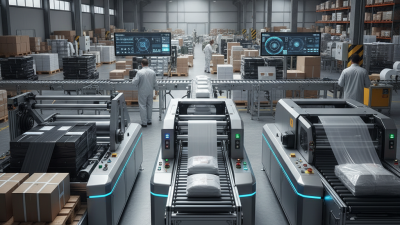
In the fast-paced environment of logistics and warehousing, ensuring that goods arrive safely is crucial. A pallet shrink wrap machine automates this process, applying strong plastic films that conform tightly around products. This method not only saves time but also ensures consistency in packaging. However, it's vital to choose the right machine based on specific needs and product dimensions. Each machine has its capabilities and limitations, leading to the necessity for careful selection.
Investing in a pallet shrink wrap machine can be challenging. The initial cost can be significant, and maintenance is required. Businesses must weigh their options and consider factors such as volume, product types, and machine performance. Many organizations encounter issues with film quality and machine calibration, highlighting the need for ongoing evaluation and adjustment.
What is a Pallet Shrink Wrap Machine?
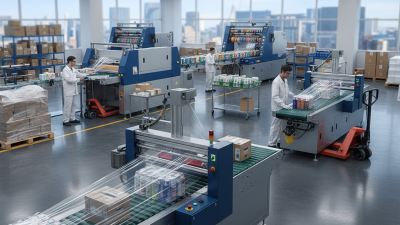
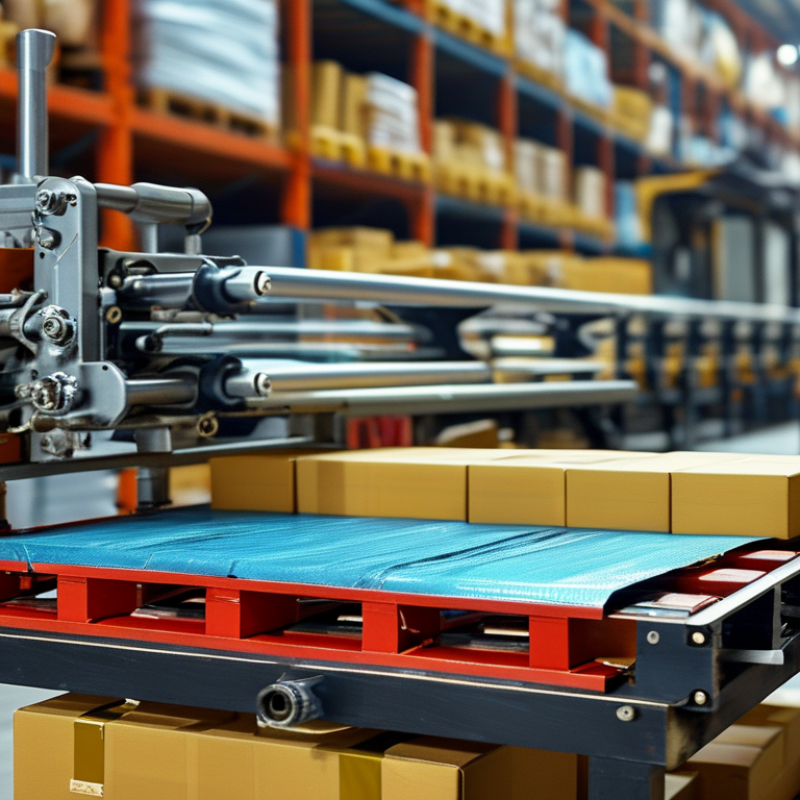
A pallet shrink wrap machine is an essential piece of equipment in many warehouses and distribution centers. This machine wraps products securely in plastic film. It helps protect goods from dust, moisture, and damage. Using heat, the machine shrinks the film tightly around the item. This creates a secure package for transport or storage.
Typically, these machines consist of a conveyor system and a heat source. The conveyor moves the pallet into position. Once aligned, the film is wrapped around the pallet. Next, it goes through a heat tunnel, where the plastic shrinks around the items. This process is efficient and significantly reduces time spent on manual wrapping. Yet, improper wrapping can lead to issues. If done poorly, products might not be secure, leading to potential damage during shipping.
While automated machines are effective, they require regular maintenance. Operators should be trained adequately to ensure safe operation. Observing each wrap's quality is crucial. A machine might work flawlessly, but human oversight can identify defects in the wrapping process. Small mistakes in packaging can lead to bigger problems down the line. Thus, a combination of technology and human vigilance is key to successful pallet wrapping.
Key Components of a Pallet Shrink Wrap Machine
A pallet shrink wrap machine is essential in packaging operations. Understanding its key components can help improve efficiency. The machine typically includes a film dispenser, shrink tunnel, and a control panel. Each component plays a vital role in the shrink wrapping process.
The film dispenser feeds the plastic wrap around the pallet. It ensures a tight fit that protects the product. Meanwhile, the shrink tunnel uses heat to shrink the film. The heat may vary depending on the material used. Operators must monitor it closely to avoid damaging the wrapped items.
The control panel allows users to adjust settings. It can manage speed, temperature, and wrap tension. These adjustments can lead to varied results. Mistakes in settings can lead to over-wrapping or under-wrapping. This can affect product integrity and lead to waste. Proper training on this machinery is crucial for maximizing its potential.
Efficiency of Pallet Shrink Wrap Machines
How Does a Pallet Shrink Wrap Machine Operate?
A pallet shrink wrap machine is designed to secure products on pallets using shrink film. This process is crucial for maintaining the integrity of goods during transport. The machine operates by first positioning the pallet inside a shrink tunnel. Once in place, the machine wraps the pallet with a plastic film that tightly covers the items.
Heat is then applied, causing the film to shrink and conform closely to the shape of the pallet. This creates a protective layer that helps prevent damage, dust, or moisture infiltration. The entire operation is relatively quick, making it efficient for warehouses or distribution centers. However, adjusting the heat settings can be tricky. Too hot, and the film might tear; too cool, and it won't adhere properly.
Despite its advantages, using a pallet shrink wrap machine isn't without challenges. Operators must ensure that the products are evenly stacked; otherwise, the wrap might not provide adequate support. Regular maintenance is also essential to keep the machine functioning optimally. A poorly maintained machine can lead to inconsistent results and wasted materials. Understanding these nuances is key to improving packing efficiency and ensuring product safety during shipping.
Benefits of Using a Pallet Shrink Wrap Machine
Pallet shrink wrap machines are essential in modern logistics. They help secure goods during transit, preventing damage and loss. The global shrink packaging market is projected to reach $27.8 billion by 2025, reflecting increasing demand for efficiency and safety in shipping.
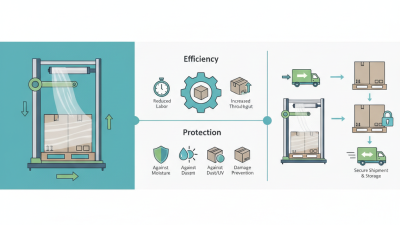
Using a pallet shrink wrap machine offers several benefits. For one, it enhances stability. The tightly wrapped product reduces the risk of shifting. According to the International Institute of Packaging, up to 10% of products can be damaged during transport. This machinery minimizes such risks significantly. Speed is another advantage. High-speed machines can wrap up to 100 pallets per hour, making processes faster and more efficient. Time saved translates to cost reduction in labor and resource allocation.
However, there are areas for improvement. Not all machines are equally efficient. Some require frequent maintenance, which can disrupt workflow. Additionally, the environmental impact of shrink wrap materials cannot be ignored. While the machines offer benefits, businesses must balance efficiency with sustainability. A careful evaluation of needs can lead to better practices in pallet wrapping.
Common Applications of Pallet Shrink Wrap Machines
Pallet shrink wrap machines are vital in various industries. They provide efficient solutions for packaging and protecting goods. Common applications range from food and beverage to pharmaceuticals and manufacturing. With the growing emphasis on operational efficiency, these machines help businesses save time and reduce labor costs.
In the food industry, a pallet shrink wrap machine secures products on pallets to ensure freshness. Utilizing shrink film, the packaging hugs the items tightly, preventing contamination and spoilage. In pharmaceuticals, these machines enhance safety by ensuring that products remain sealed until they reach the consumer. The durability of shrink wrap protects against environmental factors like moisture and dust.
However, there are challenges. Users sometimes struggle with film quality and machine calibration. If the shrink wrap is too loose, it may not provide adequate protection. Conversely, overly tight wrapping can damage the products inside. Industries need to monitor these aspects closely. Regular maintenance and training for employees can mitigate these issues, resulting in improved efficiency and reliability in operations.