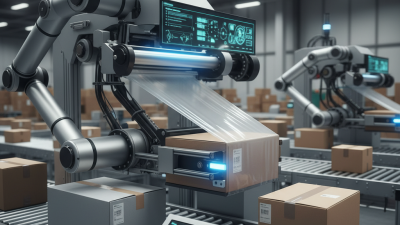




What is a wrapping machine and how does it work?
In the packaging industry, the wrapping machine plays a vital role. It significantly enhances efficiency and reduces labor costs. According to a 2022 market report, the demand for wrapping machines is expected to grow by 5.4% annually until 2030. This growth reflects their essential function in various sectors, including food, pharmaceuticals, and consumer goods.
A wrapping machine automates the process of securing products for storage or shipping. By applying protective materials, it reduces damage and ensures product integrity. Many businesses rely on these machines to meet increasing production demands. As competition rises, the efficiency of a wrapping machine can greatly impact a company’s profit margins.
Despite their advantages, wrapping machines require careful consideration. Not every machine suits all products. Investing in the wrong type may lead to operational issues. Regular maintenance and staff training are crucial for optimal performance. Companies must reflect on their unique needs before purchasing a wrapping machine.
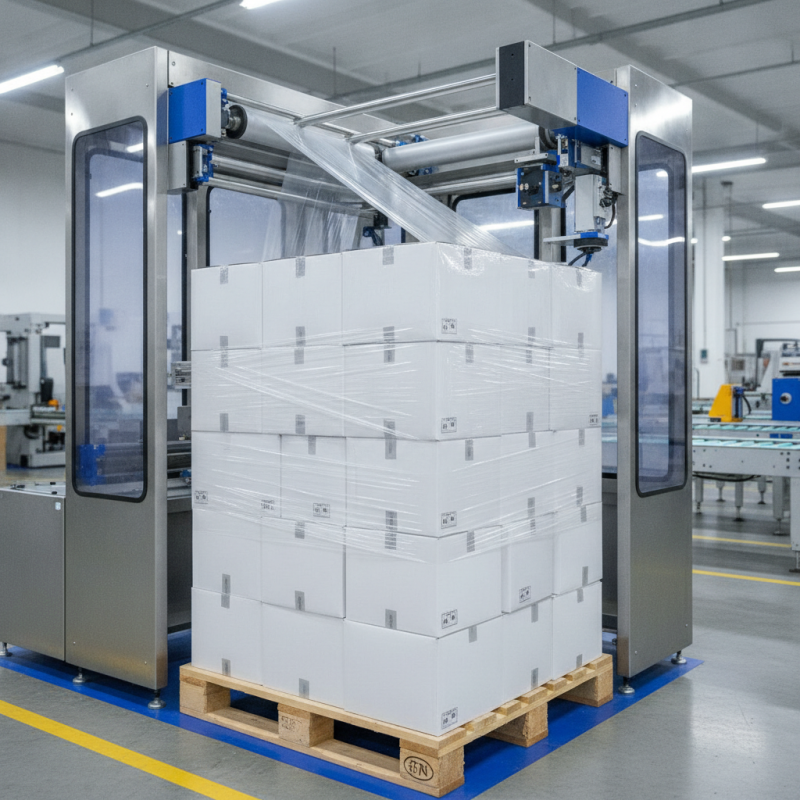
Definition of a Wrapping Machine and Its Purpose
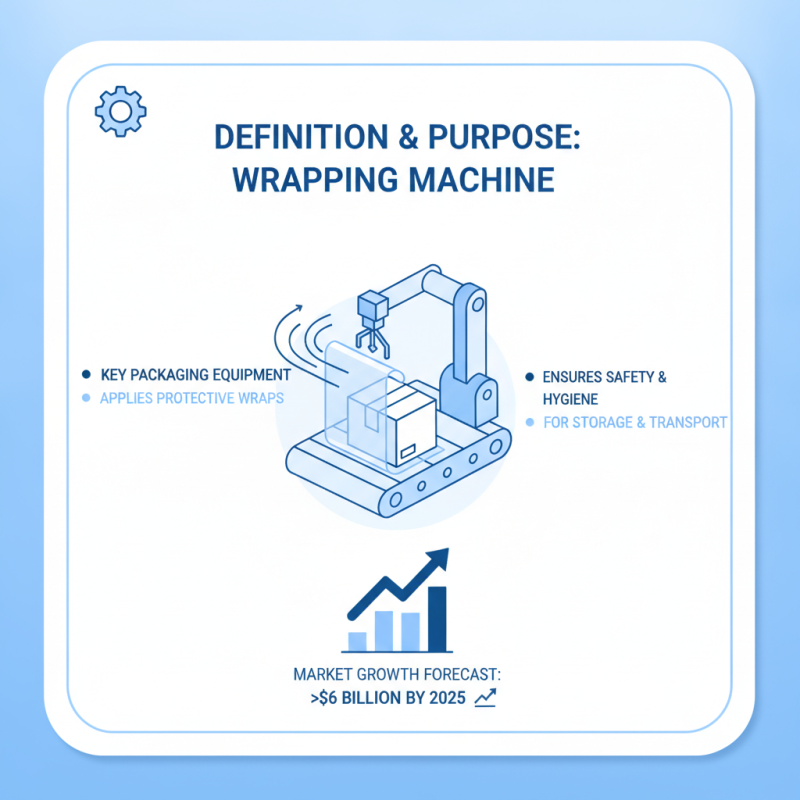
A wrapping machine is a key piece of equipment used in packaging processes. Its primary purpose is to apply protective wraps around products. This ensures both safety and hygiene during storage and transport. According to industry reports, the wrapping machine market is expected to grow significantly, reaching a value of over $6 billion by 2025.
The operation of a wrapping machine is quite technical yet essential. It generally involves feeding products onto a conveyor system. The machine uses various materials such as plastic films or paper to create a secure wrap. This process not only protects items from dust and damage but also enhances their visual appeal. Research indicates that effective wrapping can reduce damage rates by up to 30%, showcasing its efficiency in industries like food and logistics.
However, not all wrapping machines are designed equally. Some may struggle with particular product shapes or sizes. This can lead to wasted materials and increased costs. Understanding the limitations of a wrapping machine is crucial for businesses. Proper training for operators is often overlooked but can greatly improve performance and efficiency. Investing in the right technology while addressing these challenges can yield significant returns.
Types of Wrapping Machines and Their Applications
Wrapping machines are essential in various industries for packaging products efficiently. There are several types of wrapping machines, each designed for specific applications. Automatic wrap machines are widely used in production lines. They enhance speed and reduce manual labor. According to a report by Smithers Pira, the global market for packaging machinery is projected to reach $54 billion by 2024. This growth underscores the significance of wrapping solutions in modern manufacturing.
Shrink wrapping machines are particularly popular in food and beverage sectors. These machines use heat to shrink plastic around products. They provide a tight seal, which helps preserve freshness. In a 2023 survey, 72% of food manufacturers reported using shrink wrap technology to extend product shelf life. However, operators must ensure they maintain the right heat settings. Excessive heat can damage products and affect quality.
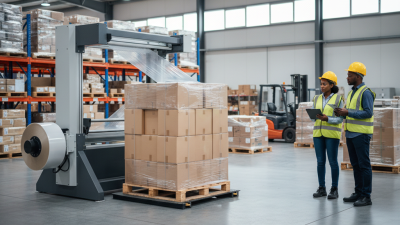
Another common type is stretch wrapping machines, often used for pallets. This method is cost-effective and provides great load stability. A recent industry analysis revealed that 65% of warehouses use stretch wrappers for efficient shipping. Balancing efficiency with equipment wear is crucial. Frequent use can lead to mechanical issues, resulting in unexpected downtime. Regular maintenance is essential to keep operations smooth. These factors reflect the complexity of choosing the right wrapping solution.
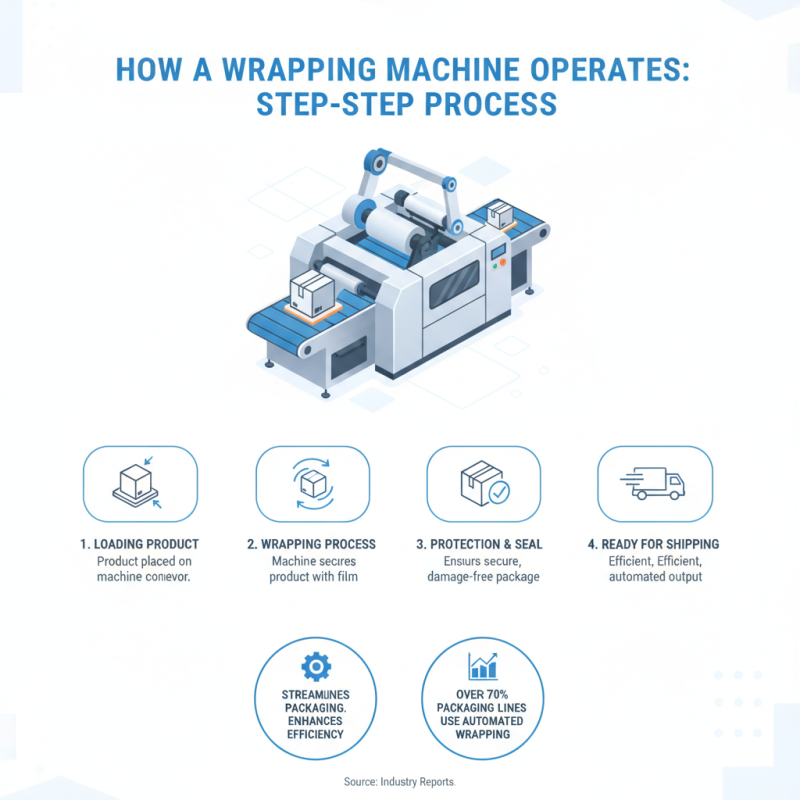
How a Wrapping Machine Operates: Step-by-Step Process
A wrapping machine is an essential tool in packaging. It streamlines the process of wrapping products, ensuring they are protected and ready for shipping. The operation begins with loading the product onto the machine. This task requires precision to prevent damage during wrapping. According to recent industry reports, over 70% of packaging lines now use automated wrapping solutions to enhance efficiency.
As the process continues, the machine applies a stretch film or paper around the product. This application is crucial for stabilizing items during transport. The wrapping process varies based on the type of machine used. For instance, automatic machines often have sensors to detect the size of the product. This automation reduces human error, which can lead to costly packaging mistakes. Research shows that 30% of manual wrapping processes result in product damage.
After wrapping, the machine seals the package securely. It may use heat, tape, or adhesive to ensure a strong bond. Workers often need to adjust settings for different products. This adaptability is important but can introduce challenges. If not properly calibrated, machines may under-wrap or over-wrap items, leading to inefficiencies. Understanding the intricacies of wrapping machines can enhance productivity in manufacturing environments.
Key Features and Components of Wrapping Machines
Wrapping machines play a crucial role in packaging processes across various industries. They are designed to securely enclose products in protective materials. This helps prevent damage during transport and enhances shelf appeal. Understanding the key features and components of wrapping machines can offer insights into their effectiveness.
One major component is the film dispenser, which feeds wrapping material. A smooth and even film application is essential. A good machine should also have adjustable tension controls. These adjustments ensure the film hugs the product tightly without tearing. Moreover, the cutting blade is another vital part. It must operate efficiently to provide clean edges for easy opening.
The control interface of a wrapping machine is often a digital panel. This panel allows operators to set parameters quickly. Despite advancements, some machines may still require manual intervention. This can lead to inconsistencies. Additionally, not all models are tailored for every product type. Reflecting on these imperfections can lead to better future designs and innovations.
What is a wrapping machine and how does it work? - Key Features and Components of Wrapping Machines
| Feature | Description | Common Applications | Advantages |
|---|---|---|---|
| Automatic Operation | Designed to wrap products automatically without manual intervention. | Manufacturing, Food Packaging | Increases productivity and reduces labor costs. |
| Types of Wrapping | Includes stretch, shrink, and flow wrapping techniques. | Retail, Logistics | Versatile for different product types and sizes. |
| Material Compatibility | Can work with various types of wrapping materials such as plastic, paper, and film. | Consumer Goods, Electronics | Enhances product protection and presentation. |
| Adjustable Settings | Users can modify speed, tension, and wrap parameters based on the product requirements. | All Industries | Provides flexibility for different production needs. |
| Safety Features | Equipped with emergency stops and safety guards to protect operators. | Food Industry, Pharmaceuticals | Ensures safe operation while minimizing risk of accidents. |
Benefits of Using a Wrapping Machine in Packaging Operations
A wrapping machine is an essential tool in modern packaging operations. It automates the process, improving efficiency and consistency. By using a wrapping machine, companies can reduce material waste. This results in lower costs and better resource management. Many manufacturers find that automation allows them to focus on production rather than manual wrapping.
The benefits extend beyond just saving time. A good wrapping machine can enhance product protection. It shields items from dust, moisture, and damage during transport. The wraps can be customized to fit different products, ensuring a secure fit. However, companies must consider the upfront investment and maintenance costs. Training staff to operate the machine effectively is crucial too. Skipping this step can lead to errors and reduce efficiency.
While automation presents clear advantages, it is vital to assess ongoing needs. Some businesses may still prefer manual wrapping for small batches. There’s a balance to strike. Regular review of the machine's features ensures it meets evolving business demands. Reflecting on both benefits and shortcomings can lead to better decision-making in packaging operations.
Related Posts
-
2026 Best Wrapping Machine for Your Packaging Needs?
-
How to Choose the Best Pallet Shrink Wrap Machine for Your Business Needs
-
Top Benefits of Using Strapping Machines in Modern Packaging Solutions
-
How to Choose the Best Automatic Pallet Wrapping Machine for Your Business
-
How to Choose the Right Plastic Wrapping Machine for Your Business?
-

Top Tips for Choosing an Automatic Stretch Wrap Machine?