2026 Top Wrapping Machine Types for Your Business Needs?
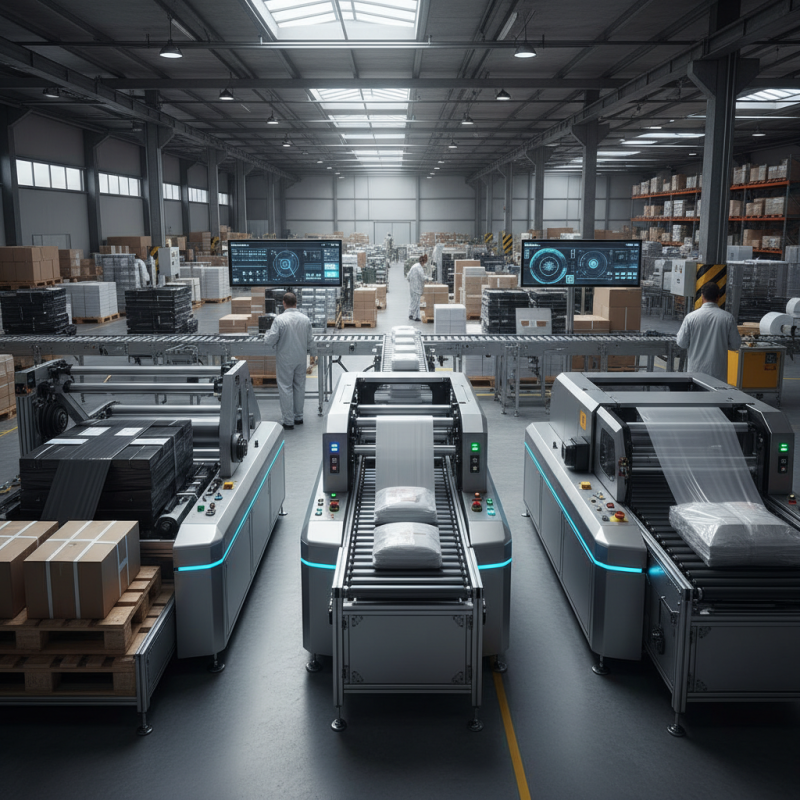
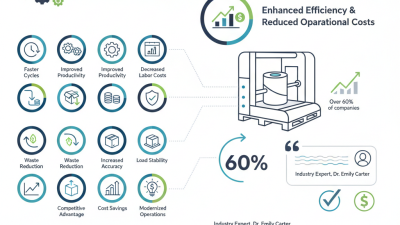
In today's fast-paced business environment, efficiency is key. A wrapping machine can significantly enhance your packaging process. The right wrapping machine not only saves time but also reduces labor costs. There are various types available, each designed for specific needs.
Choosing the right model requires careful consideration. Businesses must assess their product types and volume. Some machines cater to larger items, while others fit small packages. Mistakes in selection can lead to wasted resources and inefficiency.
As you explore the 2026 top wrapping machine types, it's essential to evaluate their features and capabilities. This investment can transform your operation, but understanding your requirements is vital. The market continues to evolve, bringing innovative solutions. Balancing quality and cost will lead to more informed decisions.
Types of Wrapping Machines and Their Key Features
When choosing a wrapping machine, understanding the various types is essential. Each type offers distinct features to cater to different business needs. For instance, manual wrapping machines offer affordability and flexibility. They are perfect for small operations. Users can easily control the wrapping process, but it may require more labor.
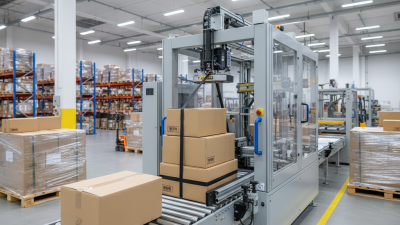
Automatic wrapping machines enhance efficiency. They handle larger volumes with speed and precision. These machines often come with adjustable settings for different product sizes. A potential downside is the higher initial investment cost. Companies may hesitate due to budget constraints. However, the long-term savings could outweigh the upfront costs.
Semi-automatic wrappers blend both manual and automatic options. They allow for efficient wrapping while still giving operators some control. This type is ideal for businesses experiencing growth. While they require an initial setup and training, the increased productivity often justifies the effort. Each machine type has its pros and cons, making it crucial to assess specific needs before deciding.
Factors to Consider When Choosing a Wrapping Machine
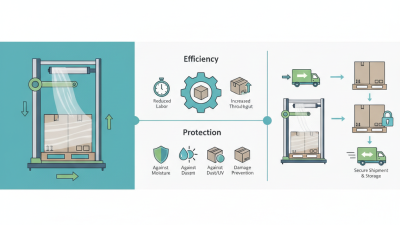
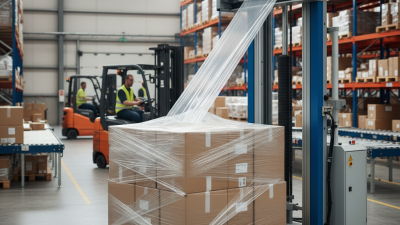
When selecting a wrapping machine, several factors come into play. Understanding the type of products you handle is crucial. Different items require different wrapping methods, such as shrink, stretch, or flow wrapping. Each method has its advantages and limitations in terms of efficiency and protection. For instance, shrink wrapping is excellent for preserving freshness, while stretch film is ideal for securing loads on pallets.
Another critical consideration is the machine's speed and efficiency. A slower machine may lead to bottlenecks in production. Assess your production volume to choose a machine that matches your output needs. Additionally, ease of operation is vital. Machines should have user-friendly interfaces and quick changeover capabilities for different products. This can save time and training costs. Reflect on the available space in your facility, as it directly impacts your machine placement and workflow.
Maintenance is often overlooked but essential for long-term reliability. Regular maintenance schedules can prevent unexpected downtime. Consider the availability of technical support and spare parts. Machines with complicated mechanics may require specialized knowledge for repairs, potentially leading to longer downtimes. Identifying these factors will help align your choice with your business goals and production requirements.
Popular Wrapping Machine Brands in 2026
In 2026, wrapping machines are essential tools for businesses. Choosing the right equipment can enhance efficiency and reduce waste. Various brands are leading the market with innovative designs and reliable technology. They cater to different industries, from food packaging to manufacturing. The crucial factor is not just the machine's performance but also its compatibility with specific products.
Many popular brands focus on user-friendliness. Their machines often feature intuitive controls, making operation smooth for staff. Additionally, maintenance requirements can vary. Some machines are built for easy servicing, which reduces downtime. However, businesses should note that the initial investment might be high. It’s important to weigh long-term benefits against upfront costs.
While many companies boast high efficiency, actual performance can vary in real-world scenarios. It’s wise to research customer reviews and testimonials. Consider the specific needs of your facility before committing to a purchase. The best choice is one that balances quality and price, aligning with business goals.
Innovations and Trends in Wrapping Machine Technology
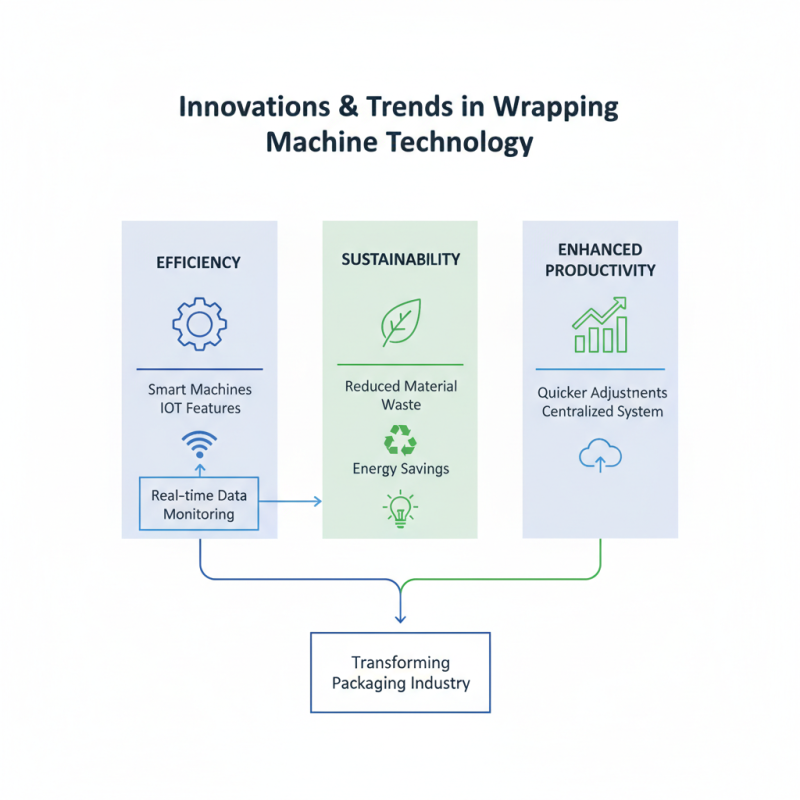
Innovations in wrapping machine technology are transforming the packaging industry. The emphasis is on efficiency and sustainability. For instance, smart wrapping machines are increasingly incorporating IoT features. These machines can connect to a centralized system. This allows for real-time data monitoring, facilitating quicker adjustments and enhanced productivity.
Sustainable materials are also a focal point. Biodegradable films and recycled materials are gaining traction. Businesses are encouraged to explore alternatives that align with eco-friendly practices. However, some companies still rely on traditional materials, raising questions about long-term viability. The industry faces a challenge to find a balance between innovation and ecological responsibility.
Automation is another significant trend. Fully automated wrapping lines reduce labor costs and improve consistency. Yet, many small businesses hesitate to adopt automation due to initial investment costs. It’s worth examining whether the long-term benefits justify the expense. As the market evolves, companies must remain adaptable to keep pace with technological advancements.
Cost Analysis and Budgeting for Wrapping Machines in Your Business
When considering wrapping machines for your business, cost analysis emerges as a critical factor. Prices can vary widely based on the machine type, capabilities, and manufacturer. A basic manual wrapper may start at a few hundred dollars, while an advanced automated unit can exceed tens of thousands. Understanding your budget will help narrow your options.
It's essential to calculate not just the upfront cost, but also operational expenses. This includes maintenance, labor, and materials. Businesses often overlook these costs. For example, cheaper machines might have higher repair rates. Investing in a durable, reliable machine may save money in the long run.
Additionally, consider potential inefficiencies in your current process. If manual wrapping leads to slow production times, upgrading could improve throughput. Such upgrades often pay for themselves through labor savings and increased efficiency. However, the initial cost is a vital part of the decision-making process. Carefully weighing all these factors can lead to more insightful budgeting.
2026 Top Wrapping Machine Types for Your Business Needs - Cost Analysis and Budgeting
| Machine Type |
Price Range ($) |
Speed (Packages/Min) |
Ideal Applications |
Maintenance Level |
| Automatic Wrapping Machine |
5,000 - 15,000 |
20 - 50 |
High-volume production |
Low |
| Semi-Automatic Wrapping Machine |
3,000 - 10,000 |
10 - 30 |
Small to medium businesses |
Medium |
| Manual Wrapping Machine |
1,000 - 3,000 |
5 - 15 |
Low-volume applications |
High |
| Sleeve Wrapper |
8,000 - 25,000 |
15 - 40 |
Bundling products |
Low |
| Strapping Machine |
2,500 - 7,000 |
20 - 50 |
Heavy-duty packages |
Medium |