Top Features of Automatic Box Taping Machines for Efficient Packaging Solutions?
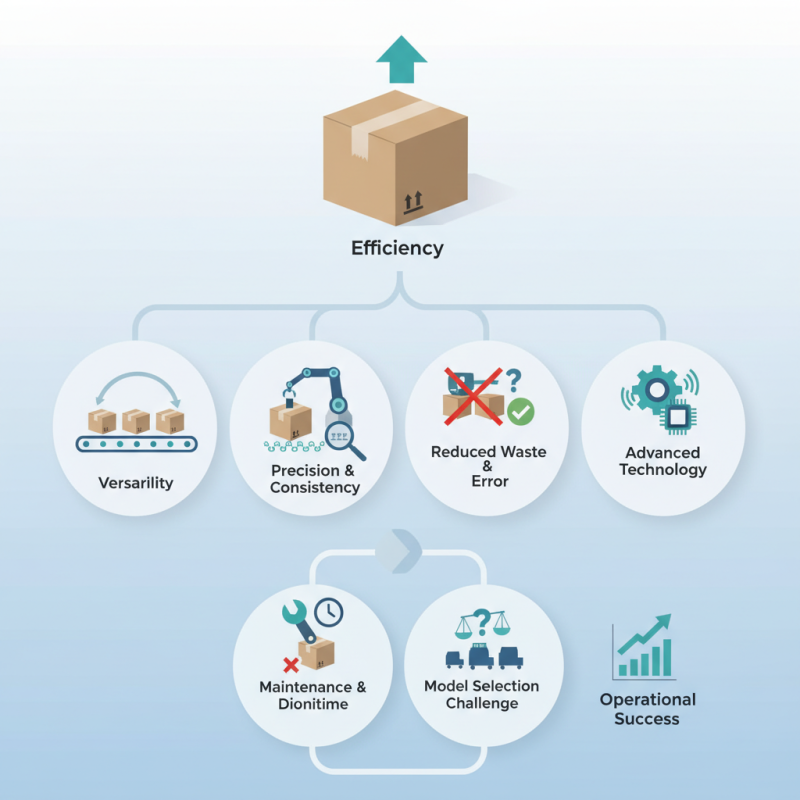
In today's fast-paced packaging industry, efficiency is paramount. An automatic box taping machine has become an essential tool for businesses aiming to streamline their packaging processes. These machines offer various features that improve productivity and reduce labor costs. They are designed to handle different box sizes, ensuring versatility in packing operations.
The automatic box taping machine is equipped with advanced technology. This allows for precise tape application every time. Consistent sealing reduces material waste, a common issue in manual taping. Moreover, automation minimizes human error, enhancing the overall reliability of the packaging process.
While there are many benefits, it’s crucial to consider the limitations. Some machines may require regular maintenance, which could lead to downtime. Additionally, selecting the right model can be challenging due to the vast options available. Evaluating each feature critically will help in making an informed choice. Understanding these nuances can significantly impact a company’s efficiency and operational success.
Key Benefits of Automatic Box Taping Machines in Packaging
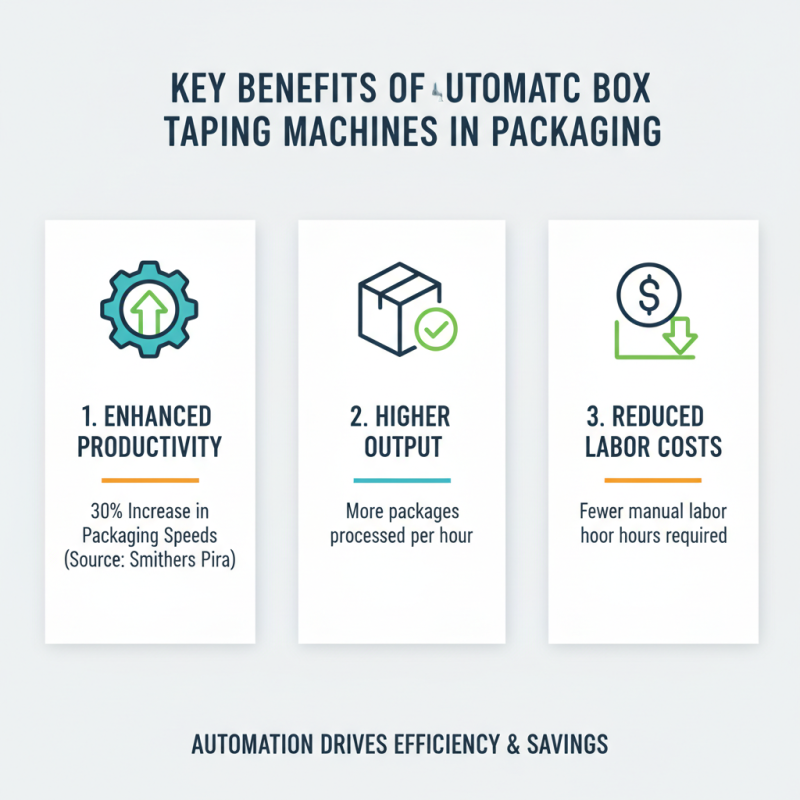
Automatic box taping machines are revolutionizing the packaging industry. They provide significant advantages that enhance productivity. A recent report by Smithers Pira highlights that companies using automated systems experience a 30% increase in packaging speeds. This efficiency can lead to higher output levels and reduced labor costs, benefiting businesses significantly.
One key benefit is the precision and consistency these machines offer. Human error can result in poorly sealed boxes, leading to product damage. Studies show that inconsistent taping can lead to a 20% increase in return rates due to damaged goods. Automated systems ensure that every box is securely taped every time, minimizing potential losses.
Another important factor is the reduction of manual labor. In a time when labor shortages are prevalent, automating tasks can bridge the gap. According to the National Association of Manufacturers, nearly two-thirds of manufacturers face difficulty in finding skilled labor. With automatic taping machines, organizations can streamline their operations. This shift allows workers to focus on more complex tasks, ultimately improving job satisfaction and efficiency within the workforce.
How Automatic Box Taping Machines Improve Efficiency in Operations
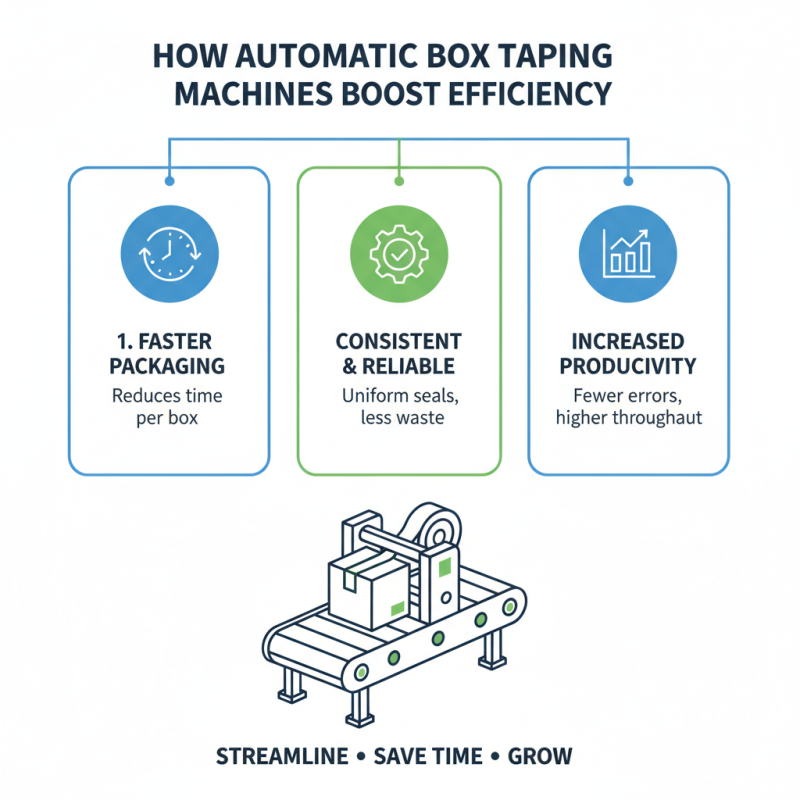
Automatic box taping machines play a vital role in enhancing operational efficiency. These machines streamline packaging processes, significantly reducing the time spent on closing boxes. Manual taping can lead to inconsistencies, wasting both time and materials. By automating the taping process, businesses can enjoy a more reliable and faster workflow. This not only increases overall productivity but also minimizes errors that often occur in manual labor.
Using automatic box taping machines can bring substantial benefits to your packaging operations. Tip: Regularly maintain your machines to ensure optimal performance. A well-maintained machine operates more smoothly and efficiently. Additionally, train your staff to use these machines effectively. Proper training leads to fewer mistakes and better use of resources.
While the initial investment can be high, the long-term savings on labor costs and material usage can be significant. However, businesses must assess their specific needs. Not all operations benefit equally from automation. Careful analysis and consideration are crucial when deciding to implement these machines in your workflows. Remember, efficiency isn’t just about speed; it’s about smart, effective processes.
Essential Features to Look for in Automatic Box Taping Machines
When considering automatic box taping machines, efficiency and reliability are key. The choice of a machine can significantly impact operational productivity. According to a recent industry report from Smithers Pira, automated packaging solutions can enhance efficiency by up to 30%. Yet, not all machines provide the same level of performance.
One essential feature to consider is the adaptability of the machine. It should handle various box sizes without compromising tape application quality. A flexible machine can reduce downtime, which is often overlooked. Additionally, ease of maintenance is crucial. Machines that require complex procedures or specialized training can lead to frustrating delays.
Another important aspect is the speed of operation. High-speed taping can benefit businesses with high-volume outputs. However, it's important to balance speed with accuracy. Fast machines can sometimes misapply tape, leading to product damage. Understanding these parameters can help companies make informed decisions on their taping solutions.
Types of Automatic Box Taping Machines and Their Applications
Automatic box taping machines come in various types, each designed for specific applications. The most common types include semi-automatic, fully automatic, and programmable models.
Semi-automatic machines require manual adjustments for tape placement, making them user-friendly. They are suitable for small businesses that may not require high-volume output.
Fully automatic machines, on the other hand, handle the entire process, from box erection to sealing. This type increases efficiency, making it ideal for large-scale operations.
Programmable automatic box taping machines offer advanced features, allowing users to customize settings for different box sizes. They adapt quickly to changes in production demands. However, programming these machines can be complex and requires training. While they enhance speed and consistency, the initial learning curve may pose a challenge for some operators.
Additionally, maintenance is crucial to keep them in optimal condition, which can sometimes be overlooked. This neglect can lead to operational inefficiencies and increased downtime, highlighting the need for regular reviews and adjustments.
Maintenance Tips for Optimal Performance of Taping Machines
Automatic box taping machines are essential in today's packaging industry. To ensure their longevity and optimal performance, regular maintenance is crucial. Maintenance is often overlooked but directly impacts efficiency. Machines that operate smoothly minimize downtime and improve overall productivity.
Consider checking the tape supply frequently. If the tape runs low, it can lead to jams and delays. Regularly inspect the machine's moving parts and clean them to prevent dust buildup. A clean machine is a reliable machine. The blades should be sharp for precise cuts, so ensure they are changed when showing signs of wear.
Don't forget to keep an eye on settings. Each box type may require different tape tension and speed settings. Incorrect settings can lead to wasted materials and misaligned boxes. Even minor adjustments can make a big difference. Take time to reevaluate processes periodically for continuous improvement. This reflective practice can reveal hidden inefficiencies.
Top Features of Automatic Box Taping Machines for Efficient Packaging Solutions
| Feature |
Description |
Benefits |
| Speed Adjustment |
Allows users to set the desired taping speed based on package dimensions. |
Increases efficiency by adapting to different workflows. |
| User-Friendly Interface |
Intuitive controls and clear display for easy operation. |
Reduces training time and minimizes user errors. |
| Auto-Feed Mechanism |
Automatically feeds tape for continuous operation. |
Ensures smooth workflow without downtime. |
| Adjustable Tape Dimensions |
Compatible with various tape widths and lengths. |
Increases versatility for different packaging needs. |
| Durability |
Robust construction designed for long-term use. |
Reduces maintenance costs and prolongs machine lifespan. |
Maintenance Tips for Optimal Performance of Taping Machines
| Maintenance Tip |
Description |
| Regular Cleaning |
Ensure the machine is clean from tape residue and dust. |
| Lubrication |
Apply lubricant to moving parts to reduce friction. |
| Check Tension Settings |
Ensure tape tension settings are optimal for performance. |
| Inspect Electrical Components |
Regularly check wiring and connections for wear or damage. |
| Follow Manufacturer Guidelines |
Adhere to maintenance schedules as recommended in user manuals. |