What is a Heat Shrink Machine and How Does it Work?
A heat shrink machine is essential in various industries. It utilizes heat to shrink materials, creating a secure fit. According to industry reports, the global heat shrink market is projected to grow by 5.1% annually until 2026. This reflects increasing demand from sectors such as electronics and packaging.
The versatility of heat shrink machines makes them vital for many applications, including cable insulation and product bundling. Yet, not all processes yield perfect results. Operators sometimes struggle with heat levels, leading to uneven shrinkage. This can compromise the integrity of the package or product.
Moreover, efficiency is key. A well-optimized machine can significantly reduce production time. However, regular calibration and maintenance are often overlooked. This can lead to costly downtime or defects. In a competitive landscape, improving heat shrink machine performance should be a continuous focus for businesses.
What is a Heat Shrink Machine? Definition and Overview
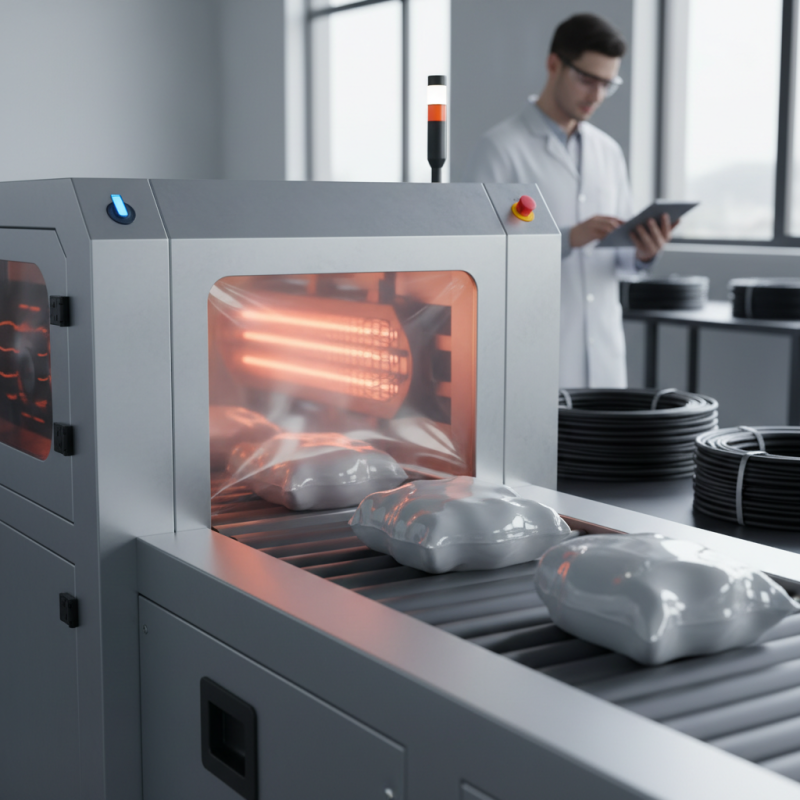
A heat shrink machine is essential in various industries, from packaging to electronics. It applies heat to shrink a plastic film tightly around an object. This process ensures protection and tamper-evidence. According to a Global Market Insights report, the heat shrink tubing market will reach over $10 billion by 2026, highlighting its importance across sectors.
The mechanics are simple yet effective. The machine utilizes a heat source, often infrared or hot air, to raise temperatures. As heat is applied, the thermoplastic material contracts. Industry experts note that consistent temperature control is vital; otherwise, the film may not shrink evenly. Poor application can lead to damage or inadequate protection.
However, not all machines function perfectly. Variations in material quality can affect results. Sometimes, operators may overlook machine maintenance or calibration. These oversights can lead to inefficiencies and waste. Regular training for staff is necessary to ensure optimal use and understanding of the machine's capabilities.
Heat Shrink Machine Usage Statistics
This chart illustrates the usage statistics of heat shrink machines across different industries. The data reflects the percentage of usage in packaging, electronics, automotive, and telecommunications sectors.
Key Components of a Heat Shrink Machine and Their Functions
A heat shrink machine is a vital tool in various industries. It uses heat to shrink materials tightly around objects. The main components of this machine work together harmoniously. Understanding these components illuminates their functions and importance.
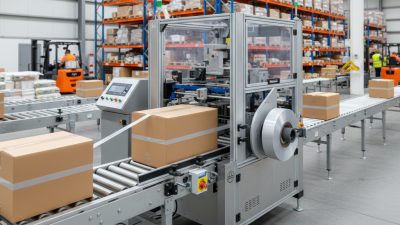
One key component is the heating element. This element generates the necessary heat to shrink the material. It can vary in design, often using radiant or convection heating methods. The thermostat controls the temperature, ensuring it remains consistent. If the temperature fluctuates, it can lead to poor results, like uneven shrinkage. Observing the machine during operation can reveal flaws in heating consistency.
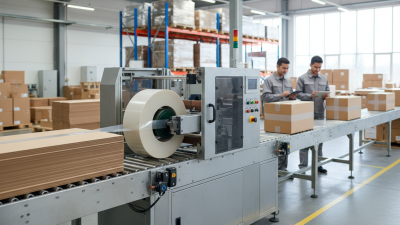
The conveyor system is another essential part. It transports items through the machine. However, alignment issues can occur. If items are misaligned, it creates challenges for accurate shrinking. The operator must monitor the process closely. Adjustments may be necessary to maintain quality. Additionally, the cooling system helps set the shrink wrap. If the cooling is inadequate, the wrap may not adhere properly, compromising the protective barrier. Identifying these variables is crucial for optimal performance.
How Heat Shrink Machines Work: The Heating Process Explained
Heat shrink machines are designed to encapsulate items in heat-sensitive materials. The process begins with placing an item inside a shrink wrap tube. Once the item is secured, the machine applies heat to the material. This heat causes the shrink film to contract tightly around the item. The process appears simple, but precision is key.
The heating process typically involves the use of hot air or infrared heat. Hot air systems blow warm air around the item, allowing the shrink wrap to form closely around it. Infrared systems use light to heat the film. Both methods should be monitored carefully. Too much heat can damage the product. Conversely, too little heat may lead to inadequate shrinkage.
Users often face challenges when adjusting temperatures. Finding the right balance takes time and experimentation. Observing the shrinkage process closely can reveal potential issues. Adjusting settings based on the material’s response may be necessary. Overall, mastering a heat shrink machine requires practice and attention to detail.
Applications of Heat Shrink Machines in Various Industries
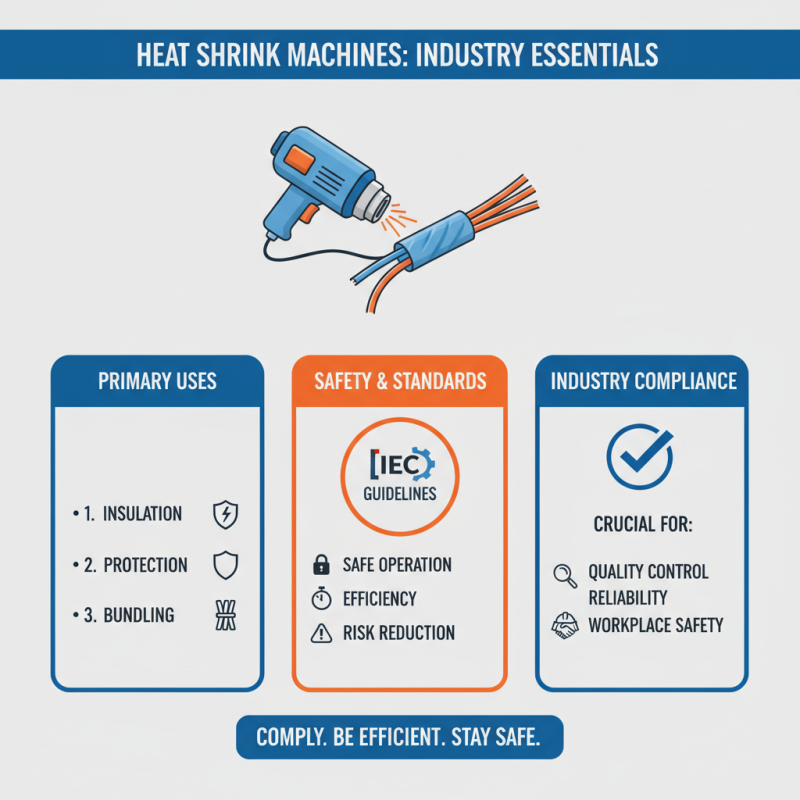
Heat shrink machines play a vital role in many industries today. They are widely used for cable management and insulation. In the electrical sector, these machines protect wires from environmental factors. The heat shrink tubing provides durability and safety. Engineers often rely on them for effective connections.
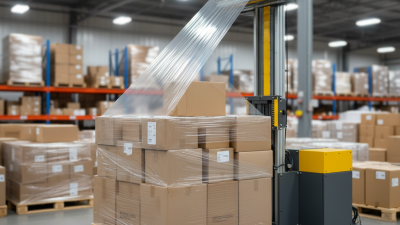
In the packaging industry, heat shrink machines seal products securely. They offer a tight fit, preventing contamination. This method is popular for shrink wrapping food and beverages. However, it requires careful setup to ensure consistency. Sometimes, the heat settings may not achieve the desired result, leading to loose wraps.
Additionally, in the automotive industry, heat shrink machines bond cables effectively. They are crucial for maintaining functionality and safety in vehicles. Yet, users must monitor the shrink process closely. Improper heating can cause damage or reduce effectiveness. It's a precise balance that demands attention to detail and skill.
What is a Heat Shrink Machine and How Does it Work? - Applications of Heat Shrink Machines in Various Industries
| Industry |
Application |
Benefits |
| Electrical |
Insulating wires and connections |
Enhanced durability and moisture resistance |
| Automotive |
Bundling and protecting wiring harnesses |
Improved safety and reliability |
| Packaging |
Sealing products for shipment |
Tamper-evidence and product protection |
| HVAC |
Insulating ductwork |
Energy efficiency and temperature control |
| Construction |
Protecting outdoor electrical connections |
Weather resistance and longevity |