How to Choose the Right Bagging Machine for Your Business?
Choosing the right bagging machine is crucial for any business involved in packaging. These machines streamline the packaging process, enhancing efficiency. However, selecting the best one can feel overwhelming. With various options available, each with unique features, it’s important to consider your specific needs.
In your search for a bagging machine, think about your product’s type and size. Different machines cater to different materials, whether powders, granules, or liquids. Consider the production speed as well. A faster machine can increase productivity but may also come with higher costs. It's a balance worth evaluating.
It’s essential to seek guidance from experts in the industry. They can help you navigate the complexities of these machines. Real-life user feedback also provides insights into machine reliability and performance. When you choose wisely, a bagging machine can significantly impact your operations, but the process of choosing is far from straightforward. Reflect on your choices and keep learning.
Factors to Consider When Choosing a Bagging Machine for Your Business
Choosing the right bagging machine involves several important factors. A primary consideration is the type of product you will be bagging. Different products require different types of machines. For example, flour, grains, or pet food each has specific bagging needs. Each type has its own characteristics, such as flowability and weight.
Another critical factor is the machine's speed and efficiency. You should assess your production goals. A machine that works at the right pace can improve productivity. However, it is essential to avoid machines that promise high speeds but compromise on quality. Sometimes, faster machines can lead to more errors, affecting the final product.
The bagging machine's size and design matter too. Space limitations in your facility can impact your choice. A compact machine might save space, but it’s essential to ensure it meets your volume requirements. Also, consider the machine's maintenance and ease of operation. A complex machine can lead to longer downtimes. Understanding these elements can help you make an informed decision, reflecting on what is truly necessary for your operations.
Types of Bagging Machines: Weigh Fillers, Form-Fill-Seal, and More
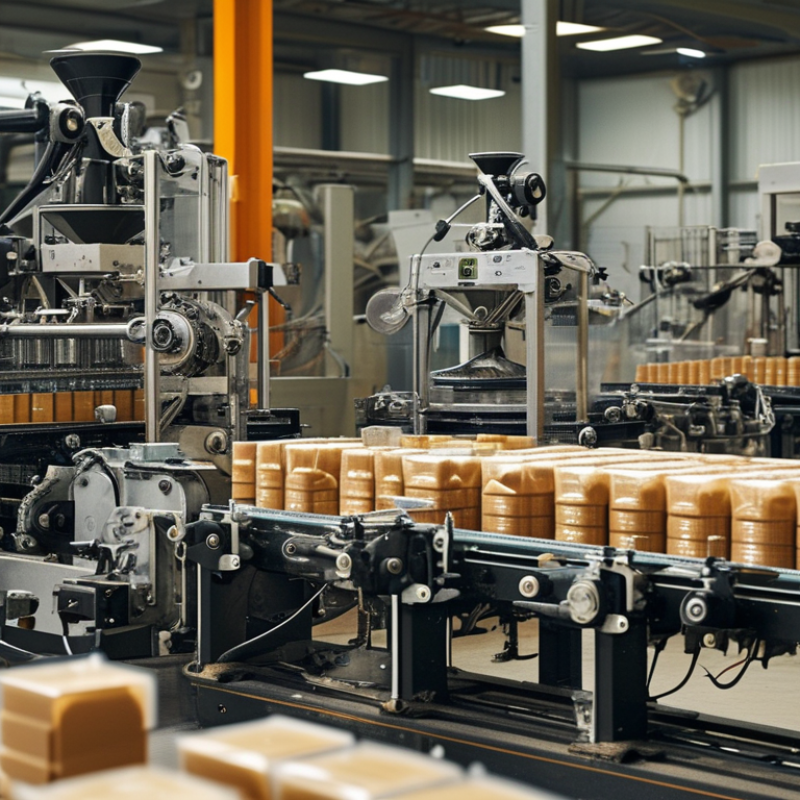
When selecting a bagging machine, understanding the various types available is crucial. Weigh fillers are popular choices for businesses that require accurate measurements. These machines weigh the product before filling it into bags. The precision they offer can significantly reduce waste, making them ideal for industries such as food and pharmaceuticals. According to a recent industry report, weigh fillers can improve accuracy by up to 99%.
Form-fill-seal machines represent another important category. They create bags from flat rolls of film, fill them with product, and then seal them in one process. This can increase efficiency dramatically. Industries report significant time savings, sometimes as high as 30%, when using form-fill-seal machines.
Consider your business needs carefully. Look at production rates, bag sizes, and the materials you’ll be using. Assess the machine's ease of maintenance and reliability. Investing in a robust model can lead to long-term cost savings. An imperfect fit can lead to production halts and increased costs.
Review the investment against your specific output needs. Sometimes, innovative solutions are worth exploring, even if they require an initial learning curve. Aim for a balance between affordability and features while remaining adaptable to future demands. Knowing your priorities will lead to the best choice.
Understanding Production Capacity Needs: How Many Bags per Hour?
When selecting a bagging machine, understanding production capacity is crucial. It's not just about speed; it's about aligning the machine’s output with your business needs. How many bags per hour do you require? This question can make or break your operational efficiency.
Consider your current output and future goals. If you anticipate growth, select a machine that can scale with you. For example, a machine producing 500 bags per hour may suffice now. But, what if your business doubles in a year? Evaluation is vital. Sometimes, a machine too focused on high speed may compromise the quality of the seals or fills. Quality is paramount, and it must not be ignored.
Assessing your hourly bagging needs isn't merely a numerical exercise. It's about understanding your products and market demands. Engaging with production staff can provide insights into workflow bottlenecks. Frequent downtime can hinder your overall output. Reflect on these factors when making decisions. A machine should support, not overwhelm, your operations.
Bagging Machine Production Capacity Comparison
Evaluating Cost Efficiency: Initial Investment vs. Long-term Savings
When evaluating the cost efficiency of bagging machines for your business, comparing initial investment to long-term savings is crucial. Data shows that the upfront cost for a quality bagging machine can range from $10,000 to $50,000. This number can be daunting for many businesses. However, the machine’s efficiency can significantly offset that initial expense. For instance, a study by the Packaging Machinery Manufacturers Institute indicates that automated systems can reduce labor costs by up to 30%.
Understanding the machine's operational costs is essential. While the investment might be high, the reduction in material waste and labor hours can lead to savings over time. For example, a business that spends $20,000 on a bagging machine could see return on investment within two years due to increased productivity. However, not all machines guarantee this efficiency. Some may lead to higher maintenance costs or unanticipated downtime, which can eat into profits.
It's also important to assess the potential for scaling up production. If a business anticipates growth, investing in a versatile machine is wise. Versatility often means higher initial costs, but it can enable significant savings in the long run. The wrong machine choice can hinder production capacity and lead to missed market opportunities. Ultimately, assessing both short- and long-term perspectives will help in making a more informed decision about bagging machines.
Technical Features to Look for: Automation, Versatility, and Maintenance
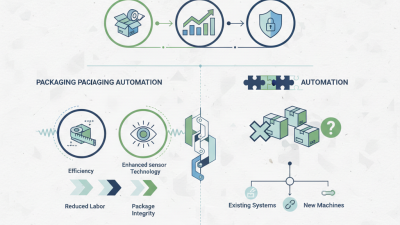
When selecting a bagging machine, focus on key technical features. Automation is paramount; machines that can operate with minimal human intervention save time. Look for models equipped with advanced sensors. These features can help optimize speed and precision. However, fully automated machines may require a higher upfront investment. This can lead to uncertainty for small businesses. Always analyze your budget before deciding.
Versatility is another crucial aspect. A machine that can handle different bag sizes and materials enhances efficiency. It allows businesses to adapt to varying product demands. However, versatile machines may come with a complex operation. Training staff can take time and effort. Ensure your team is prepared to utilize the machine's capabilities fully.
Maintenance considerations shouldn't be overlooked. Regular upkeep keeps machines running smoothly. Look for models with easy access to critical parts. This can simplify repairs and minimize downtime. However, frequent maintenance can be a burden for some businesses. Balancing reliability and maintenance needs is essential for operational success. Evaluate your resources and readiness for ongoing care.