How to Choose the Best Offset Printing Inspection Solutions?
In today's competitive printing landscape, the importance of Offset Printing Inspection cannot be overstated. According to a report by Smithers Pira, the global market for printing quality control solutions is projected to grow by 5.2% annually. This increase highlights the necessity for businesses to adopt advanced inspection technologies to meet evolving quality standards. Effective inspection processes ensure that printed materials maintain fidelity to designs, offering customers a polished final product.
Offset printing remains a preferred choice for high-volume jobs. However, it presents unique challenges in quality control. A study from Keypoint Intelligence suggests that about 30% of print defects can occur during the offset printing process. This reinforces the need for reliable inspection solutions. Such systems not only reduce waste but also enhance productivity and customer satisfaction.
While many companies invest in technology, not all inspection solutions deliver optimal results. Businesses must critically evaluate their choices. Selecting the right Offset Printing Inspection solution requires expertise and a deep understanding of both technology and market demands. A misstep in this area can lead to costly errors and dissatisfied clients. Thus, choosing an effective inspection system is crucial for maintaining competitive advantage in the offset printing industry.
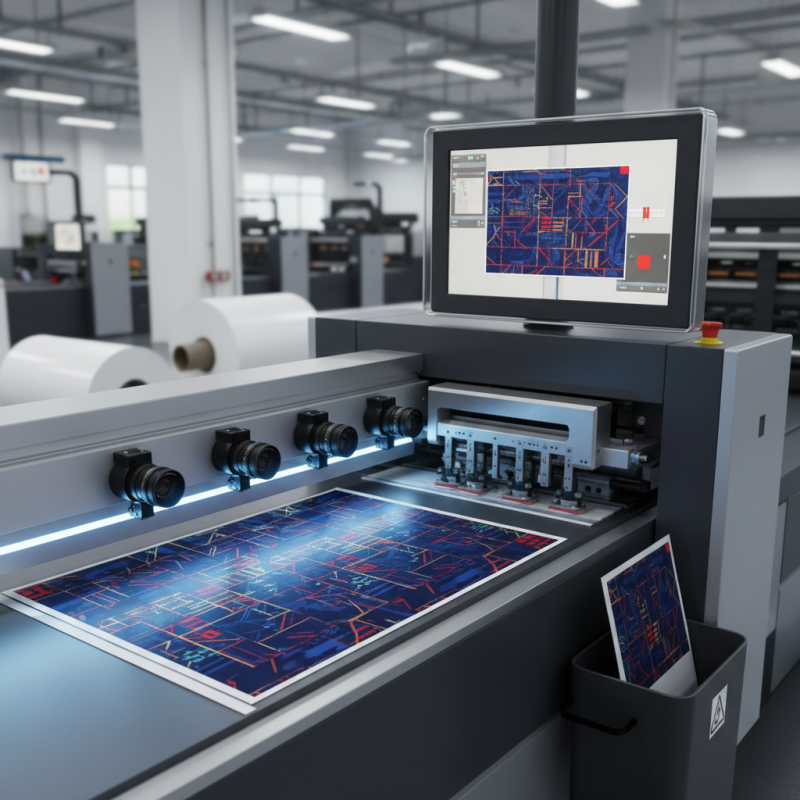
Understanding Offset Printing Inspection Requirements
When selecting offset printing inspection solutions, it's crucial to understand specific requirements. The inspection process must ensure that printed materials meet quality standards. Consider the types of products you print. Different materials may require unique inspection methods. Identifying these needs early can streamline your workflow.
Technology plays a key role in offset printing inspection. High-resolution cameras and software can detect defects at speeds previously unimaginable. These tools not only enhance quality but also reduce waste. However, adopting new technology can bring challenges. It takes time to train staff and integrate systems. Reflect on your existing processes before implementing new solutions.
Moreover, human oversight remains vital. Automated systems can miss context that an experienced operator might catch. Quality assurance teams must remain engaged. Their expertise helps navigate complex issues that machines might overlook. Keep communication lines open between teams. A collaborative environment fosters better inspection processes, ultimately leading to higher quality outputs.
Offset Printing Inspection Metrics
Key Features to Look for in Inspection Solutions
When selecting the best offset printing inspection solutions, several key features are crucial. To ensure print quality and consistency, solutions should offer real-time monitoring. This capability allows for immediate detection of defects, such as color variations or misalignment. According to industry reports, real-time inspection can reduce waste by up to 30%. This is significant for operations where margins are tight.
Another important aspect is the integration of automated analysis. Automated systems can handle large volumes of data and identify patterns in printing errors. They provide detailed analytics which can guide future printing processes. Research shows that companies using automated inspection see a 25% improvement in production efficiency. It's a clear indicator that investing in advanced technology pays off.
User-friendly interfaces matter too. An inspection solution might be highly advanced but challenging to use. This can lead to errors during operation. Staff training is crucial, but complex systems often hinder productivity. It's essential to balance functionality with usability. The ideal solution should support operators, not frustrate them. Embracing these features can lead to a more reliable and efficient printing process.
How to Choose the Best Offset Printing Inspection Solutions? - Key Features to Look for in Inspection Solutions
| Feature | Description | Importance Rating (1-5) |
| Image Quality Inspection | Ability to detect variations in print quality, color consistency, and output resolution. | 5 |
| User-Friendly Interface | Intuitive controls that allow operators to quickly learn and use the system effectively. | 4 |
| Automated Reporting | Generates detailed reports of inspections, making data analysis easier. | 4 |
| Real-Time Monitoring | Constantly monitors print production processes to identify defects instantly. | 5 |
| Integration Capability | Ability to integrate with existing production systems for seamless operation. | 3 |
| Cost Efficiency | Reduces waste and operational costs by identifying issues early in the process. | 4 |
Evaluating Technology Options for Offset Printing Inspections
When evaluating technology options for offset printing inspections, it’s essential to consider several factors. The printing industry reported that up to 30% of printed materials suffer from quality issues. These defects can lead to increased costs and wasted materials. Choosing the right inspection technology can significantly reduce these losses.
Modern inspection systems employ advanced image processing and machine learning. A report from a print technology association indicates that integrating such technologies can boost detection rates by 90%. These systems provide real-time feedback, allowing operators to address problems as they arise. However, this advancement comes with a steep learning curve. Staff must be adequately trained to leverage these tools effectively.
Additionally, organizations must weigh the costs and the potential return on investment. Inaccuracies in quality control can lead to substantial financial repercussions. The decision process can be daunting, as many companies still favor traditional methods. Nevertheless, as the market evolves, embracing innovative inspection solutions may become not just beneficial but essential for staying competitive. The challenge lies in identifying the right balance between investment and operational efficiency.
Best Practices for Implementing Inspection Solutions
Implementing effective inspection solutions in offset printing is crucial for ensuring quality. Begin by assessing your specific needs. Different printing jobs may require various inspection criteria. Tailor your solution to fit the type of work you handle most often.
Training your staff is essential. Without proper guidance, even the best system can fail. Regular workshops can enhance your team's ability to spot defects. Make sure they understand common pitfalls. This knowledge leads to better accuracy and fewer mistakes.
Continuous feedback loops are vital. Encourage your team to report issues they encounter. Not all inspection solutions are perfect. Learning from mistakes can improve performance over time. Adjust your processes based on real experiences for the best results. Regularly updating inspection technology can also help keep errors at bay.
Assessing Cost-Effectiveness and ROI of Inspection Tools
Choosing the right inspection solutions for offset printing can have a significant impact on your operations. Cost-effectiveness and return on investment (ROI) are vital factors to consider. According to a recent industry report, companies can save up to 25% on operational costs by implementing effective inspection tools. A thorough evaluation of the tools on the market is crucial for maximizing these savings.
Before making a decision, assess the specific needs of your print production. The capabilities of the inspection tools should align with your printing volume and quality standards. For example, some tools may have advanced features, but they might not be necessary for smaller operations. It’s important to weigh the functions against the overall cost, ensuring they deliver value.
Tips: Always ask for demo versions when possible. This will allow your team to gauge usability and effectiveness firsthand. Consider seeking feedback from industry peers to understand their experiences with specific tools. A tool may seem perfect on paper, but real-world application can vary.
Investing in inspection solutions without a clear ROI plan can lead to wasted resources. Analyze past quality control issues and calculate the potential savings from improved accuracy. This approach will provide a clearer picture of how the selected inspection tools can enhance your production line, creating a strategic path forward.