Why Choose a Plastic Wrapping Machine for Your Packaging Needs?
In today's fast-paced packaging industry, efficiency is crucial. Companies are increasingly turning to a plastic wrapping machine to meet their packaging needs. According to a 2022 industry report, the global packaging machinery market is projected to reach $50 billion by 2026. This growth is driven by the demand for automation and innovative solutions.
One key benefit of a plastic wrapping machine is its ability to enhance productivity. It allows for faster packing speeds compared to manual methods. For instance, a typical machine can wrap up to 30 packages per minute. This efficiency reduces labor costs and saves time for businesses. However, companies often overlook the initial investment cost and maintenance requirements.
Despite the advantages, not all plastic wrapping machines are created equal. Some may not meet the specific needs of a business. Choosing the wrong machine may lead to inefficiencies and waste. It’s essential to assess the packaging volume and product types before deciding. Careful consideration can lead to better investment and operational efficiency in the long run.
Benefits of Using Plastic Wrapping Machines in Packaging
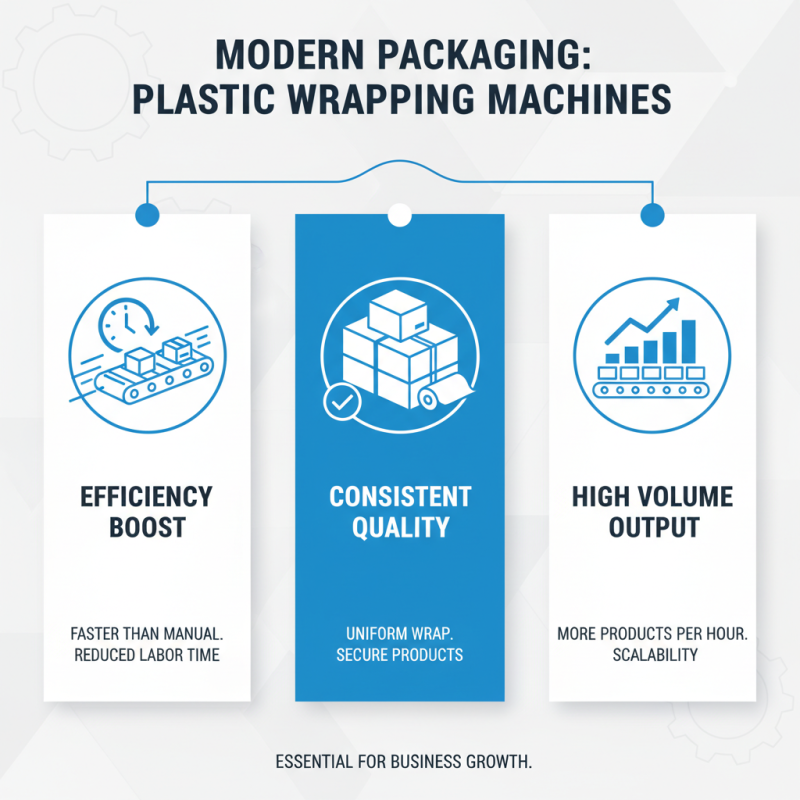
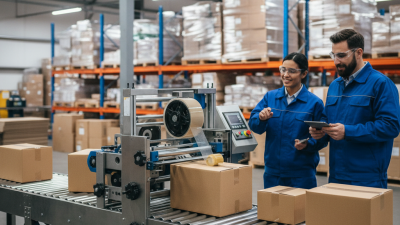
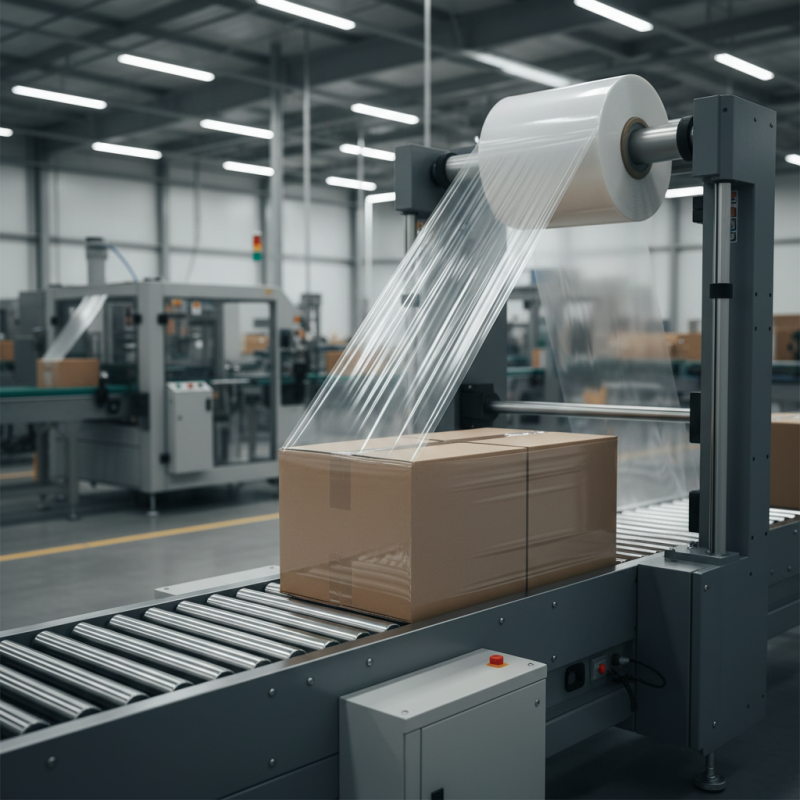
Plastic wrapping machines are becoming essential in modern packaging. They offer efficiency that manual wrapping cannot match. These machines can wrap products quickly and uniformly, saving valuable time in production lines. Businesses can handle larger volumes with consistent quality. In busy environments, this speed is crucial.
Using plastic wrapping machines also enhances product protection. They shield items from dust, moisture, and damage during transportation. This protective layer ensures that products remain intact until they reach consumers. However, it's essential to consider the environmental impact of plastic wrappers. Sustainable practices are increasingly important. Some facilities are re-evaluating their packaging choices.
The automation of packing processes can lead to a more organized workspace. Yet, there can be learning curves. Operators need training to use machines effectively. This transition may temporarily disrupt workflows. Despite challenges, investing in plastic wrapping technology can lead to long-term benefits. Over time, businesses may find that the initial hurdles are worth overcoming.
Key Features to Consider When Choosing a Plastic Wrapping Machine
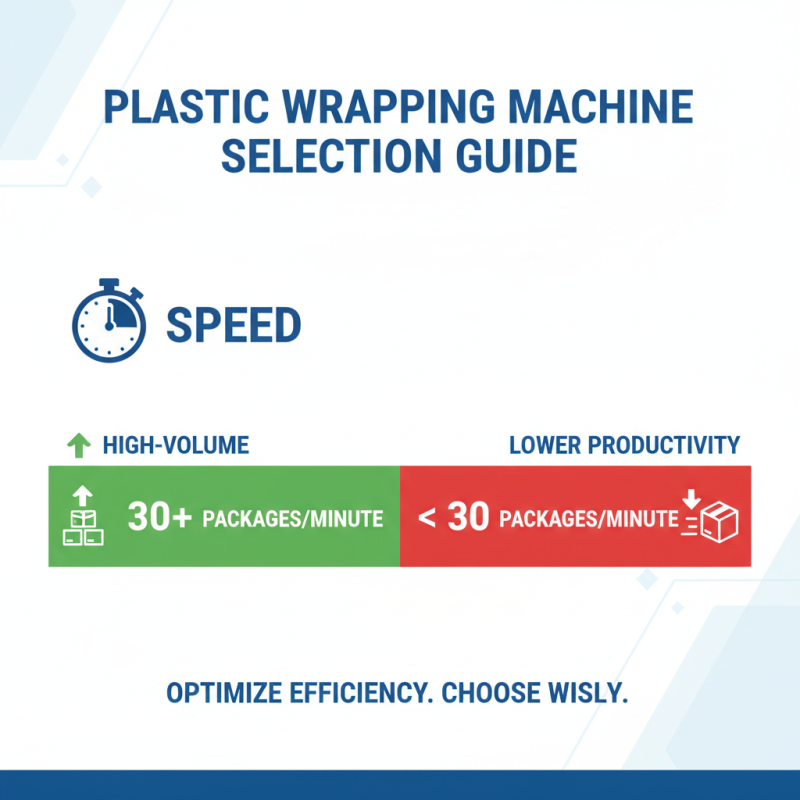
When selecting a plastic wrapping machine, several key features must be evaluated. Speed is crucial. A machine that can wrap up to 30 packages per minute is preferable for high-volume needs. In contrast, slower models might hinder productivity, affecting overall efficiency.
Quality of the wrap material is significant as well. A study by the Packaging Association indicated that nearly 25% of packaging failures stem from weak materials. Choosing a machine that handles various thickness levels can enhance durability. Moreover, operators should consider the machine's ease of use. A complex interface may lead to errors and slow down production.
Flexibility is another aspect to think about. Machines that adapt to different package sizes can save valuable time and resources. However, these versatile options may require additional training for staff. Evaluating maintenance needs is vital. Frequent breakdowns can disrupt operations and cause delays. It's essential to weigh all these factors carefully for informed decisions.
Types of Plastic Wrapping Machines and Their Applications
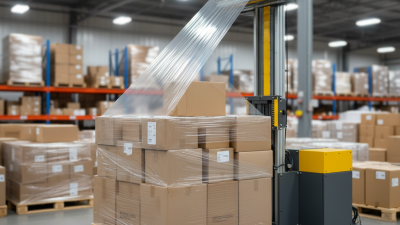
When considering plastic wrapping machines, understanding the different types available is essential. Stretch film machines are among the most common. They wrap products tightly with stretchable plastic. This method is often used for pallets and can improve stability during transport. However, adjusting tension can sometimes be tricky. A miscalculation here might lead to inadequate security.
Another type is shrink wrap machines. These machines use heat to tighten plastic around items. They are useful for packaging food or consumer goods. The shiny finish often attracts buyers. Yet, improper application can result in uneven wrapping or waste. Monitoring the heat settings is vital.
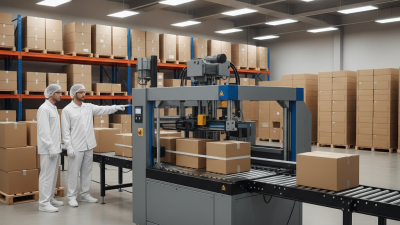
Lastly, there are automatic and semi-automatic machines. Automatic machines handle high volumes efficiently. They streamline production but require a larger investment. Semi-automatic machines are more flexible for small operations. They might need more manual effort, which can be a drawback in busy settings. Understanding these nuances helps in making the right choice for your packaging needs.
Types of Plastic Wrapping Machines and Their Applications
Cost-Effectiveness of Plastic Wrapping Machines for Businesses
When considering packaging solutions, cost-effectiveness is crucial. Plastic wrapping machines stand out for their efficiency. Investing in these machines can save businesses money over time. They reduce labor costs by automating the wrapping process. This automation minimizes human error, which can lead to waste.
Tips: Evaluate your packaging needs carefully. Consider the size and type of products you wrap. A machine designed for your specific requirements may offer better results. Regular maintenance is essential. Neglect can lead to costly repairs down the line.
Plastic wrapping machines also enhance productivity. They allow for faster packaging. Time saved translates to more products shipped. However, not every machine suits every business. It's vital to research and compare options. Some machines may require more training, impacting initial costs. Always weigh potential gains against the initial investment.
How to Maintain Your Plastic Wrapping Machine for Longevity
Maintaining a plastic wrapping machine is essential for its longevity. Regular cleaning is crucial. Dust and debris can accumulate and affect performance. Wipe down surfaces after each use. Use a soft cloth and avoid abrasive materials. This simple step can significantly extend the machine's life.
Lubrication is another key aspect. Check the manufacturer's guidelines for proper lubrication intervals. It’s easy to overlook, but dry parts increase wear and tear. Pay attention to gears and moving components. Sometimes, a squeaky sound indicates it needs oiling. Don't ignore any unusual noises; they are often signs of bigger issues.
Routine inspections help you catch problems early. Examine belts, seals, and electrical components. Be proactive instead of reactive. Sometimes, I notice small cracks that were easily missed during a busy day. Addressing them promptly saves time and costs later on. Remember, taking small steps can lead to a durable and efficient machine.
Why Choose a Plastic Wrapping Machine for Your Packaging Needs? - How to Maintain Your Plastic Wrapping Machine for Longevity
| Feature |
Benefit |
Maintenance Tips |
| Speed |
Increases efficiency in packaging |
Regularly check operation speed settings |
| Versatility |
Can handle various package sizes and shapes |
Adjust settings according to package type |
| Cost-Effectiveness |
Reduces labor costs and waste |
Perform regular checks to avoid costly repairs |
| Durability |
Built to withstand heavy usage |
Keep clean and lubricate moving parts |
| User-Friendly Interface |
Easy to operate even for new staff |
Provide training and manuals for users |