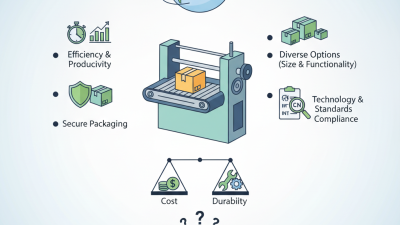
What is an Automatic Strapping Machine and Its Benefits?
The automatic strapping machine has become a pivotal tool in various industries, significantly enhancing packaging efficiency. According to a report by Allied Market Research, the global strapping machine market is expected to reach $4.45 billion by 2026, driven by increasing demand for efficient packaging solutions. This trend underscores the essential role that automatic strapping machines play in reducing labor costs while improving throughput.
Experts like Dr. Anne Fischer, a leading figure in packaging technology, emphasize the benefits of automation. “Automatic strapping machines not only streamline operations but also ensure consistency in packaging,” she notes. This consistency is crucial in maintaining product integrity, especially in industries like logistics and manufacturing, where package security is paramount.
Yet, reliance on automated systems is not without concerns. Companies sometimes face challenges in integrating these machines with existing workflows. Proper training and adjustment periods are necessary to maximize their potential. Thus, while automatic strapping machines offer remarkable advantages, organizations must remain vigilant and proactive to address potential integration hurdles.
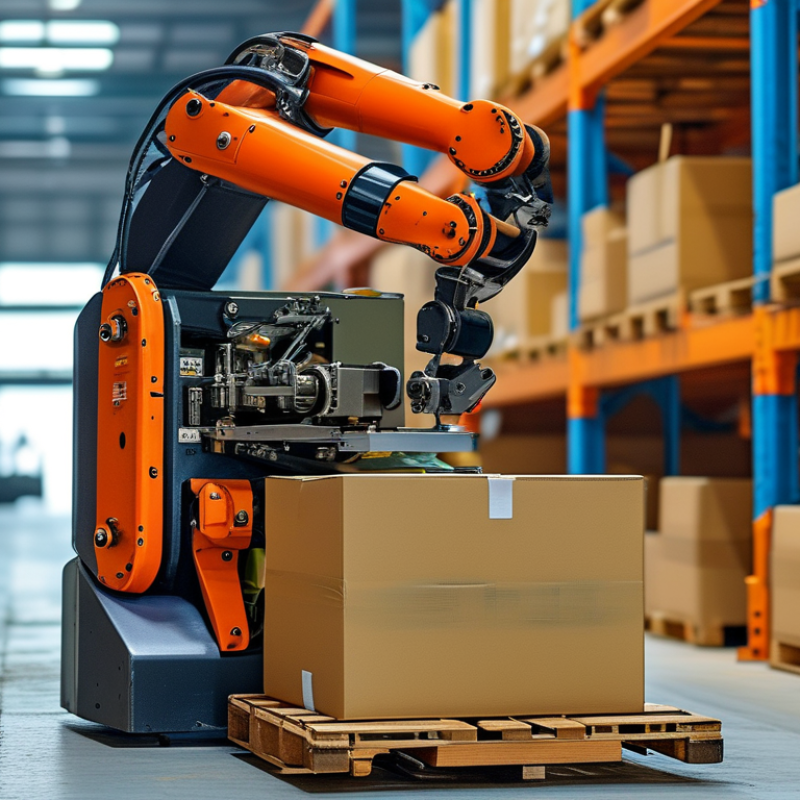
Understanding Automatic Strapping Machines: A Comprehensive Overview
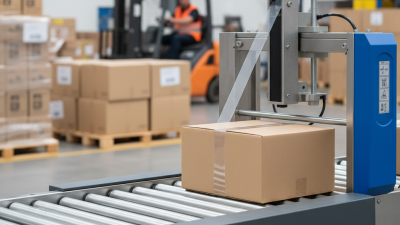
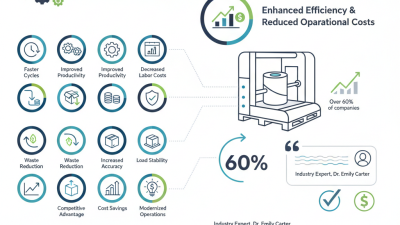
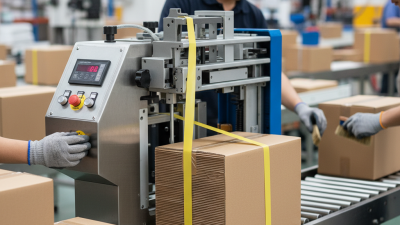
Automatic strapping machines are essential in packaging and logistics. These machines automate the process of securing packages with plastic or steel straps. They significantly enhance efficiency in busy environments, reducing manual labor and increasing throughput. Reports indicate that around 60% of companies using automated systems have seen a decrease in damage rates. This indicates their reliability in maintaining package integrity during transport.
One key benefit of these machines is their precision. Advanced models can adjust strap tension and placement based on package size. This ensures that each package is securely strapped without damaging the contents. A study by industry experts suggests that precision strapping can improve overall operational efficiency by as much as 30%. However, not all automatic strapping machines are created equal. Some users report learning curves with complex systems, which require adequate training for optimal use.
The versatility of automatic strapping machines also deserves mention. They are useful for various industries, from e-commerce to manufacturing. Adapting to specific packaging needs is crucial, and flexibility in strapping options is a must. Some operators have noted that integrating these machines can initially disrupt workflows. However, with time and proper adjustments, the long-term benefits usually outweigh early challenges. Balancing automation with human oversight ensures that businesses can maximize efficiency while maintaining quality control.
Key Components of an Automatic Strapping Machine Explained
An automatic strapping machine is an essential tool for packaging industries. Its design enhances efficiency while ensuring secure packaging. The operating principle involves feeding, tensioning, and sealing strap material around products. This ensures that items remain intact during transportation.
Key components drive its effectiveness. The tensioning device applies consistent pressure, ensuring that the strap is tight without damaging the product. The sealing mechanism can use either heat or friction to bond the strap ends. The control system helps regulate speed and allows for adjustments based on specific packaging needs. According to industry reports, companies can achieve up to a 40% increase in productivity with these machines, significantly reducing manual labor.
Tips: Regular maintenance is essential for optimal performance. Inspect the sealing jaws for wear and replace them as necessary. Ensure that strap material is of high quality to prevent breakage during use. Small adjustments in tension settings can greatly affect the overall packaging integrity. Consider conducting periodic training for operators to reduce errors and increase proficiency. Paying attention to these details can lead to improved efficiency and better packaging outcomes.
What is an Automatic Strapping Machine and Its Benefits?
| Component |
Description |
Benefits |
| Strapping Head |
The main component that feeds, tensions, and seals the strap around the package. |
Ensures a tight and secure seal for various package sizes. |
| Feed System |
Automatically feeds the strap from a coil to the strapping head. |
Increases efficiency by reducing manual labor. |
| Control Panel |
User interface for setting machine parameters and monitoring operation. |
Simplifies operation with programmable settings and real-time feedback. |
| Strapping Material |
Polypropylene (PP) or polyester (PET) straps used for securing packages. |
Provides necessary strength and resilience for product protection. |
| Swing Arm |
Moves the strapping head around the package. |
Allows for flexibility in strapping various package sizes and shapes. |
| Safety Features |
Includes guards and emergency stop buttons. |
Ensures operator safety during operation. |
Benefits of Using Automatic Strapping Machines in Various Industries
Automatic strapping machines are becoming essential in various industries. Their efficiency in packaging improves productivity significantly. For example, reports show that businesses have experienced a 30% increase in throughput after implementing these systems. Strapping is crucial for securing products, especially in logistics and warehousing.
The benefits of using automatic strapping machines are clear. These machines reduce labor costs by minimizing manual efforts. Additionally, they offer consistent and reliable strapping, which enhances the protection of shipped goods. According to a study from an industry research firm, companies using automatic strapping machines reported a 25% decrease in product damage during transit. This not only saves costs but also increases customer satisfaction.
Despite these advantages, some companies face challenges in adopting such technology. Initial investment costs can be high. Furthermore, integrating new machines with existing systems might create operational hiccups. It's essential for businesses to weigh these factors against the potential long-term savings and improvements they can achieve. Being aware of these challenges can lead to more informed decisions in the automation journey.
Comparison: Automatic vs. Manual Strapping Machines
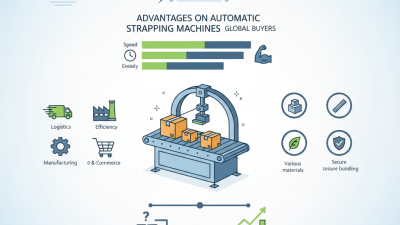
When comparing automatic and manual strapping machines, several key differences emerge. Automated devices are designed for high efficiency. They can strap packages quickly and consistently. This is crucial for businesses that require high output. According to industry reports, automatic machines can improve speed by up to 40% compared to manual options. This leads to significant time savings in packaging operations.
Manual strapping machines, while less expensive, often require more labor. Workers must align and tension the strap manually. This can lead to inconsistencies, with errors potentially costing time and resources. An estimated 30% of manual strapping tasks suffer from human error. In contrast, automatic machines provide precise tensioning and alignment, reducing waste and ensuring uniformity across packages.
The reliability of automatic machines is another benefit. They typically have a lower failure rate compared to manual solutions. Maintenance, while necessary, is often less frequent. Businesses can also benefit from integrating these machines into existing workflows. However, initial investment costs can be a barrier for some. Companies must weigh these costs against long-term efficiency gains.
Best Practices for Maintaining Automatic Strapping Machines
Maintaining an automatic strapping machine is essential for optimal performance. Regular maintenance helps avoid costly breakdowns and prolongs the equipment's lifespan. According to a 2022 industry report, poorly maintained strapping machines can result in up to a 30% increase in operational downtime. Clear maintenance protocols are crucial in addressing this issue.
Routine checks should include inspecting the tension settings and verifying that the strapping material is correctly aligned. Misalignment can cause uneven tension, leading to product damage. Additionally, cleaning the machine frequently is vital. Dust and debris can interfere with the machine's sensors, affecting its accuracy. A 2023 analysis highlighted that machines that undergo thorough cleaning every week perform 25% more efficiently than those that do not.
Trained personnel should conduct these maintenance checks to ensure reliability. Involve them in creating a checklist for daily and weekly inspections. Not all automatic strapping machines are built the same. Equipment variances can lead to unique challenges. This reality necessitates a flexible approach to maintenance plans, ensuring they evolve with the machine’s needs. An adaptive maintenance strategy, informed by past performance data, can significantly enhance productivity in any packaging operation.