Why Choose an Automatic Bagging Machine for Your Packaging Needs?
In today's fast-paced market, efficiency is essential. An automatic bagging machine can significantly enhance your packaging process. Businesses demand speed and accuracy to meet consumer needs. A reliable bagging system ensures consistency in production. Imagine reducing labor costs while increasing output.
These machines can handle various products, from snacks to chemicals, adapting to specific requirements. The technology allows for less human intervention, which minimizes errors. However, investing in an automatic bagging machine requires careful consideration. Not all machines might suit your business model. Evaluate features and capabilities before making a choice.
Choosing the right equipment can be daunting. With many options available, finding the perfect fit seems challenging. Reflect on your needs and priorities; a standard machine might not suffice. Don't overlook potential maintenance issues that could arise. Consider these factors thoroughly for an effective solution.
Benefits of Using Automatic Bagging Machines in Modern Packaging
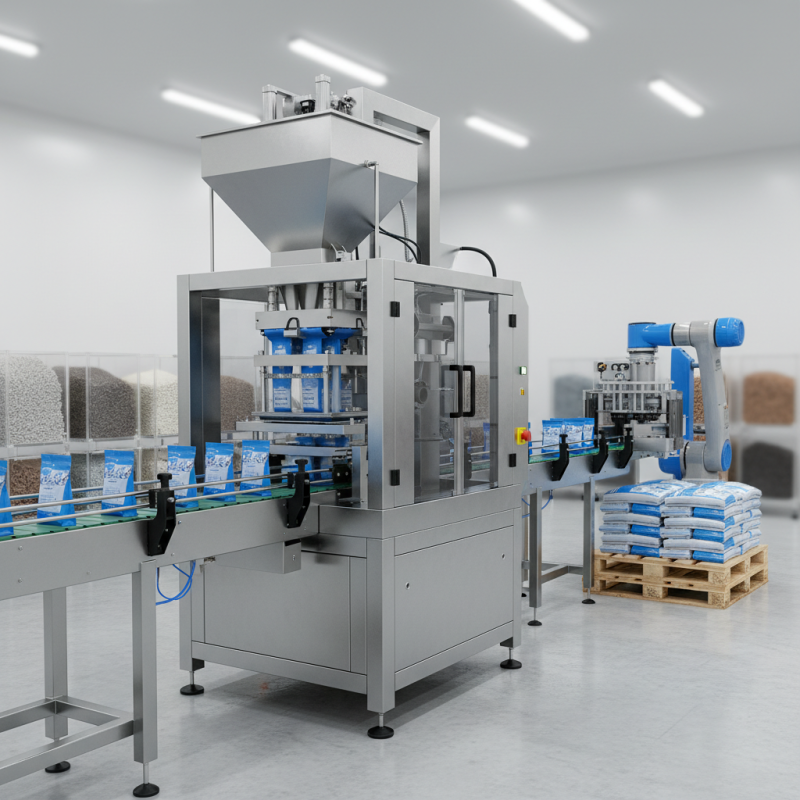
Automatic bagging machines have transformed the packaging industry. They offer speed and efficiency that manual processes simply cannot match. These machines can pack products in different bag styles, adapting to various needs. For instance, they can handle everything from small items to bulk products with ease. This versatility makes them ideal for companies of all sizes.
One significant benefit is the reduction in labor costs. With fewer workers needed for bagging, companies can allocate resources elsewhere. Additionally, automatic machines minimize human error. They provide consistent bag weights and sealing quality. However, initial setup costs can be high. Companies must evaluate their return on investment carefully. Maintenance is also necessary. Regular checks are essential to ensure smooth operations.
Flexibility is another advantage. Automatic bagging machines can quickly switch between different products. This adaptability is critical in today’s fast-paced market. Businesses must stay competitive, and these machines help them do that. Nonetheless, it's important to train staff properly to operate the equipment. Over-reliance on automation can yield unexpected challenges if not managed well.
Key Features of Automatic Bagging Machines for Efficient Operations
Automatic bagging machines are transforming the packaging landscape. These machines boast several key features that streamline operations significantly. For one, they offer high-speed performance. Many can fill and seal bags in mere seconds. This efficiency reduces labor costs while boosting production rates.
Another notable feature is the adaptability of these machines. They can handle various bag sizes and materials with ease. Operators can quickly change settings to accommodate different products. However, this flexibility might require regular adjustments and maintenance. Finding the right balance can be a challenge.
Additionally, many automatic bagging machines come with integrated weighing systems. These systems ensure accurate and consistent filling. Precise measurements lead to reduced waste and improved quality control. Yet, operators must regularly calibrate these systems to maintain accuracy. This extra step can be cumbersome but is essential for optimal performance.
Industry Statistics on Cost Savings with Automatic Bagging Solutions
In recent years, industries have seen significant shifts towards automatic bagging solutions. Research reveals that companies utilizing these machines can enjoy cost savings up to 35%. This is largely due to reduced labor costs and decreased material waste. Manual packaging often leads to inconsistencies and errors. Automation minimizes these issues, leading to more precise and efficient operations.
Tips: Choose equipment based on your packaging volume. Higher volumes can benefit more from automatic systems. However, some sectors may not require full automation yet. Evaluate your needs carefully.
Labor shortages have prompted more businesses to invest in automation. With a stable machine, workflow becomes predictable. This means less downtime and better throughput. Observing how other industries adapt can provide valuable insights. Yet, implementing such systems isn't without challenges. Training staff on new machines may take time and patience.
Tips: Invest in training programs to smooth the transition. Encourage staff feedback during the process. This can highlight areas that need improvement. Sometimes, automation alone may not solve all problems. Balancing technology with human oversight often yields the best results.
Comparative Analysis: Manual vs. Automatic Bagging Efficiency
Automated bagging machines are gaining attention in the packaging industry. They significantly enhance efficiency compared to manual processes. According to a report by the Packaging Machinery Manufacturers Institute, automatic systems can increase output speed by up to 40%. This boost can directly influence production rates.
Manual bagging often leads to inconsistencies. Workers may tire or make mistakes. Research shows that manual errors account for about 2-4% of total production errors. This might seem low, but it translates into substantial financial losses. In contrast, automated machines minimize human error, ensuring uniformity in each bag.
However, not all facilities are ready for full automation. Transitioning requires careful planning and investment. Some industries still benefit from a mix of both methods. A flexible approach may allow companies to address specific challenges while optimizing production. While automation is powerful, it may not be the one-size-fits-all solution. Assessing unique needs is crucial for the best outcomes.
Future Trends in Automatic Bagging Technology and Innovations
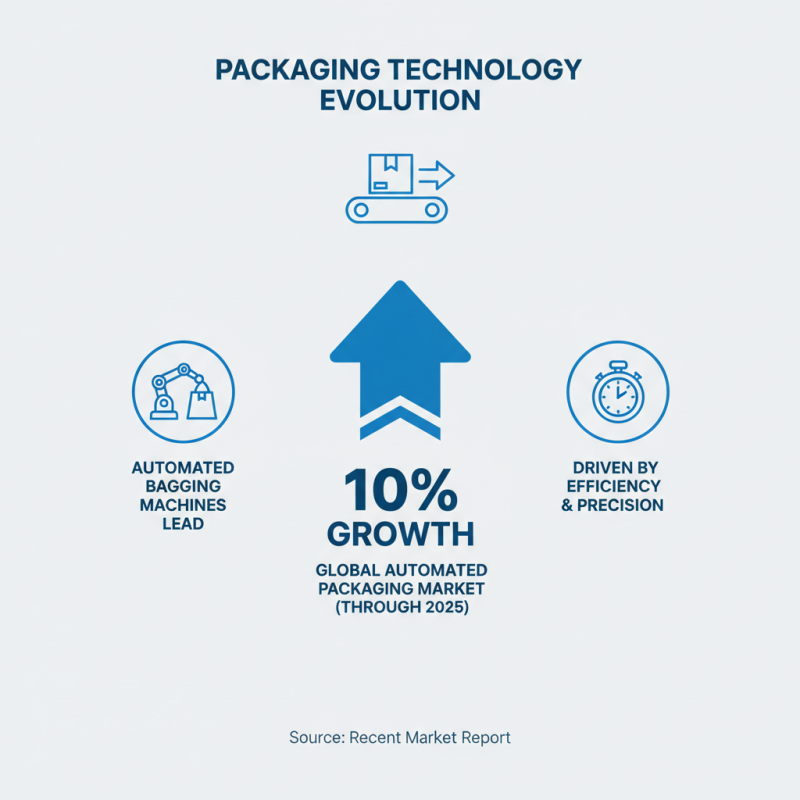
The landscape of packaging technology is evolving rapidly. Automatic bagging machines are at the forefront of this change. According to a recent market report, the global market for automated packaging is projected to grow by 10% through 2025. This increase indicates a strong demand for efficiency and precision in packaging processes.
Innovations such as AI integration and machine learning are transforming how these machines operate. They adjust speeds and detect bag integrity in real-time, reducing waste significantly. However, some industries still struggle to adopt these technologies due to high initial costs. In fact, many companies are hesitant to invest without guaranteed ROI.
Moreover, sustainability is becoming a pressing concern. Research shows that 70% of consumers prefer eco-friendly packaging. Automatic bagging machines are now designed with this in mind, using recyclable materials and minimizing energy consumption. But there's a gap; not all manufacturers are ready to shift. This creates an opportunity for improvement in both innovation and market readiness.