



7 Best Pallet Strapping Machines for Global Buyers?
Choosing the right pallet strapping machine can change how safely and efficiently goods move through a warehouse. A stable load leaves the conveyor, survives forklift handling, and reaches its destination with fewer surprises. Yet many global buyers focus only on price. That is a mistake.
Packaging expert Walter Soroka offers a useful principle: “Packaging must protect the product throughout handling, storage, and transportation.” This idea remains practical when comparing automatic, semi-automatic, and fully integrated systems. A buyer should examine strap width, tension control, sealing strength, cycle speed, and compatibility with existing conveyors. Small details matter. A misaligned strap can loosen during a long shipment. Excessive tension can crush cartons or damage fragile products.
This guide reviews seven pallet strapping machine options for international purchasing teams. It considers warehouse volume, product shape, labor availability, maintenance access, and total operating cost. It also examines controls, safety features, spare-parts support, and energy use. These factors often matter more than impressive speed claims.
The best machine is not always the fastest. Sometimes, a simpler unit performs better in a dusty warehouse with limited technical support. That reality is easy to overlook. Buyers should also question supplier promises and request practical demonstrations using their own pallets. A machine that works well in a showroom may struggle with uneven loads, recycled straps, or changing package heights.
Use this comparison as a starting point, not a final verdict. Local service coverage, operator training, and future production changes can reshape the decision. A careful evaluation reduces costly surprises and supports safer, more consistent pallet handling worldwide.
Pallet Strapping Machine Types and Their Core Functions
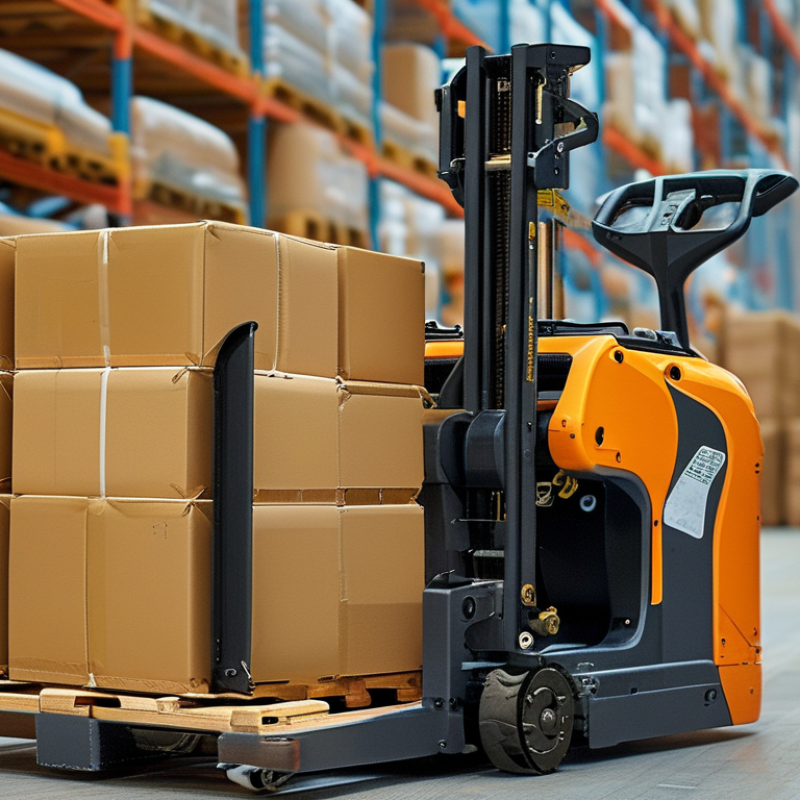
Pallet strapping machines differ mainly in automation, strap direction, and load handling. A manual tensioner suits low-volume shipping and irregular pallets. It tightens plastic or steel strap, then seals the joint separately. A semi-automatic machine adds powered tensioning and heat sealing. An operator still positions the strap around each load. These systems are practical for mixed warehouse work.
An automatic arch machine creates a strap loop across a fixed conveyor path. It feeds, tensions, seals, and cuts the strap with limited labor. A turntable machine rotates the pallet through a vertical strap cycle. It works well for stable, medium-height loads. A rotary-arm machine moves around stationary pallets. This design handles tall, heavy, or unstable loads more safely. An orbital machine uses a moving strap head around the load. It can secure long products, cartons, and grouped materials from several angles.
The seventh type is a horizontal strapping machine. Its strap head moves around the pallet’s side, improving support for wide loads. Core functions include controlled tension, heat or friction sealing, automatic strap feeding, and fault detection. In field evaluations, corner protection often matters as much as tension. Excessive force can crush cartons or distort soft goods. Insufficient force allows shifting during transport. Polypropylene suits lighter loads, while polyester usually offers stronger recovery. Steel strap remains useful for demanding applications, but it needs careful handling. I once assumed faster cycling meant better productivity. It did not. Poor pallet alignment caused repeated rework. Check load dimensions, strap material, operator access, maintenance support, and safety guarding before choosing a system.
Key Features for Comparing Pallet Strapping Equipment
7 Best Pallet Strapping Machines for Global Buyers?
Key Features for Comparing Pallet Strapping Equipment
Global buyers should compare pallet strapping machines through measurable operating features, not attractive cycle-time claims. Check strap width, tension range, sealing strength, and compatibility with polypropylene or polyester strap. A machine handling mixed pallet heights offers greater flexibility in busy warehouses. Confirm whether tension remains stable around uneven loads. Small variations can cause loose packages or damaged cartons.
A reliable unit should include automatic strap feeding, smooth strap cutting, and consistent heat or friction sealing. Inspect the control panel during a live demonstration. Operators need clear settings, fault messages, and quick adjustments without specialized software. Safety sensors, guarded moving parts, and emergency stops deserve equal attention. Cycle speed matters, but only when the machine maintains seal quality. Faster is not always better.
Maintenance details often separate practical equipment from expensive downtime. Ask about tool-free access, common replacement parts, lubrication points, and cleaning procedures. Test the machine with dusty pallets, corner boards, and irregular loads. Real warehouse conditions are rarely perfect. Power requirements, voltage options, noise levels, and footprint also affect international installation. Request documented test results, spare-parts availability, and technician response times. I would not rely on a brochure alone. A short factory trial may reveal awkward strap threading or unstable tension. Those imperfections are useful warnings before purchase.
Seven Leading Pallet Strapping Machines for Global Buyers
Global buyers usually compare seven leading pallet strapping machines. These include semi-automatic PP strapping machines, automatic PP systems, and heavy-duty PET machines. Steel strapping machines suit dense metal coils or construction materials. Battery-powered handheld tools support irregular loads and remote packing areas. Vertical pallet strappers handle stable loads, while horizontal systems secure tall or unstable pallets.
From warehouse evaluations, automatic machines improve speed when pallet sizes remain consistent. Semi-automatic models cost less and allow flexible placement. PET systems offer strong tension with lower handling risk than steel. Still, performance depends on strap width, pallet condition, and operator training. A machine can look impressive but struggle with dusty floors or uneven cartons. That detail is often missed.
Tips: Check local voltage, spare-part access, tension range, and sealing method before purchasing. Ask for a test using your actual pallet and strap. Measure cycle time, not brochure speed. Leave space for maintenance access. Global shipping also adds questions about manuals, installation support, and replacement heaters. I would not choose the fastest model automatically; a slower machine with reliable service may reduce downtime. Safety guards, emergency stops, and clear operating instructions should be inspected before production use.
How to Match Machine Performance With Packaging Requirements
7 Best Pallet Strapping Machines for Global Buyers?
Machine performance must follow the load, not the sales brochure. The seven practical choices include automatic arch, side-seal, top-press, heavy-duty steel, vertical, horizontal, and mobile strapping machines. Automatic arch models suit stable cartons and high-throughput lines. Side-seal machines protect the sealing head from dust. Top-press systems control tall or unstable loads. Heavy-duty steel units handle dense materials. Vertical machines suit stacked cartons, while horizontal models secure long products. Mobile units support changing warehouse layouts.
Match strap width, tension range, cycle speed, and pallet height with actual packaging data. A fast cycle is not always better. Excess tension can crush corrugated edges, especially when recycled board is used. OECD’s Global Plastics Outlook reports that packaging creates about 40% of global plastic waste. This strengthens the case for right-sized straps and fewer failed shipments. It also exposes a common weakness: many buyers measure output, but not material waste.
Check electrical standards, floor space, humidity, and operator access before ordering. Pneumatic systems need extra scrutiny. The U.S. Department of Energy reports that compressed-air leaks can waste 20–30% of compressor output. That cost can quietly exceed expected labor savings. Request a trial using your heaviest and weakest loads. Measure strap breaks, corner damage, and real cycle time. Measure twice. One imperfect test is better than a confident guess.
| No. | Machine Type | Recommended Strap | Typical Strap Width | Typical Tension Range | Typical Throughput | Load and Pallet Compatibility | Power and Utility Requirements | Best Packaging Requirement |
|---|---|---|---|---|---|---|---|---|
| 1 | Semi-Automatic Tabletop Strapping Machine | Polypropylene (PP) | 9–15.5 mm | Up to approximately 45 kgf | Up to approximately 25 straps per minute, depending on operator handling | Small to medium cartons, bundles, and light palletized loads; usually suited to one strap at a time | Single-phase electrical supply; commonly available in 110 V or 220–240 V configurations | Low-volume operations, mixed-size shipments, and budget-sensitive buyers |
| 2 | Automatic Arch Strapping Machine | PP | 9–15.5 mm | Approximately 15–70 kgf | Approximately 25–40 straps per minute | Regular cartons or prepared pallet loads that can be positioned consistently within the arch | Usually 220–240 V, single- or three-phase; compressed air is generally not required | Stable production lines requiring repeatable strap placement and reduced operator workload |
| 3 | Automatic Horizontal Pallet Strapping Machine | Polyester (PET) or polypropylene (PP) | 12–19 mm | Approximately 50–200 kgf | Typically 1–3 pallets per minute, depending on pallet dimensions and strap pattern | Full pallet loads that need one or more horizontal straps around the load perimeter | Three-phase power is common; some systems require compressed air for clamps or guides | Unitized loads with weak or irregular side stability, including cartons, bags, and cases |
| 4 | Automatic Vertical Pallet Strapping Machine | PET, PP, or steel strap, depending on the load | 12–19 mm for PET/PP; up to approximately 32 mm for steel strap models | Approximately 100–1,000 kgf, depending on strap material and machine design | Standard pallets with top-accessible loads; suitable for cartons, timber, insulation, and building materials | Three-phase electrical supply is common; pneumatic components may be used for tensioning or sealing | Heavy or tall pallet loads that require compression from top to bottom | |
| 5 | Turntable Pallet Strapping Machine | PET or PP | 12–19 mm | Approximately 50–250 kgf | Approximately 20–40 seconds per strap cycle, depending on load height and rotation speed | Stable pallet loads that can rotate safely; commonly handles pallets up to about 1,200 × 1,200 mm | Single- or three-phase power depending on model; floor space is required around the turntable | Flexible warehouse applications where operators need adjustable strap positions without a full conveyor line |
| 6 | Side-Press Pallet Strapping Machine | PET or steel strap | 12–19 mm for PET; 16–32 mm for steel strap versions | Approximately 100–800 kgf | Loose, compressible, or uneven loads that benefit from side compression before strapping | Three-phase power is typical; hydraulic or pneumatic systems may be used for pressing and tensioning | Paper products, recyclable materials, bagged goods, and loads with shifting side walls | |
| 7 | Heavy-Duty Steel-Strap Pallet Machine | Steel strap | 16–32 mm | Approximately 300–1,500 kgf | Approximately 1–3 strap cycles per minute, depending on load size and sealing method | Very heavy, rigid, abrasive, or high-temperature loads such as metal products, stone, timber, and industrial components | Three-phase electrical supply is common; pneumatic or hydraulic assistance may be required | Maximum tensile strength, edge resistance, and load security for demanding export and industrial shipments |
Installation, Maintenance, Safety, and International Purchasing Factors
7 Best Pallet Strapping Machines for Global Buyers?
Installation starts with the floor, power supply, and pallet flow. Confirm voltage, frequency, compressed-air needs, and available space before ordering. A machine may fit the warehouse but block forklift turning paths. Leave room for roll changes and emergency access. During commissioning, technicians should test strap tension, heat sealing, feeding, and automatic cut-off functions. My first installation checklist missed cable routing around the control panel. That small mistake caused delays and extra labor.
Maintenance should follow actual production conditions, not only the calendar. Clean strap dust from guides and sensors each shift. Inspect blades, heaters, belts, and tension components weekly. Record unusual noise, weak seals, or uneven straps. These notes help technicians identify patterns before failures stop a line. Operators also need practical training. A short demonstration is rarely enough. They should practice emergency stops, jam clearing, and safe roll replacement.
Safety guards must remain closed during operation. Never reach into the strap path while power remains connected. International buyers should request clear manuals, wiring diagrams, spare-part lists, and remote support details. Check whether replacement parts can be shipped reliably to the destination country. Confirm plug types, local service capacity, packaging requirements, and import documentation early. A low purchase price can become expensive after freight, installation, and downtime. Comparing machines only by speed is another common mistake. Pallet size, strap material, workforce skill, and future volume matter more.
Related Posts
-
Top 10 Carton Sealing Machine Options for Your Business Needs?
-
Top Used Pallet Wrapping Machines for Global Buyers in 2026?
-
Top 10 Benefits of Using Automatic Stretch Wrap Machines for Your Business
-
2026 Top Box Taping Machine Innovations and Benefits?
-
2026 How to Choose the Best Automatic Box Taping Machine for Your Business?
-
10 Essential Tips for Choosing the Right Stretch Wrap Machine?